
US allows Iranian oil sales for 60 days as talks advance
The Treasury license follows US-Iran talks in Switzerland and comes as tanker traffic through the Strait of Hormuz shows signs of recovery.
By Daniel Okafor · Business Editor
3 min read
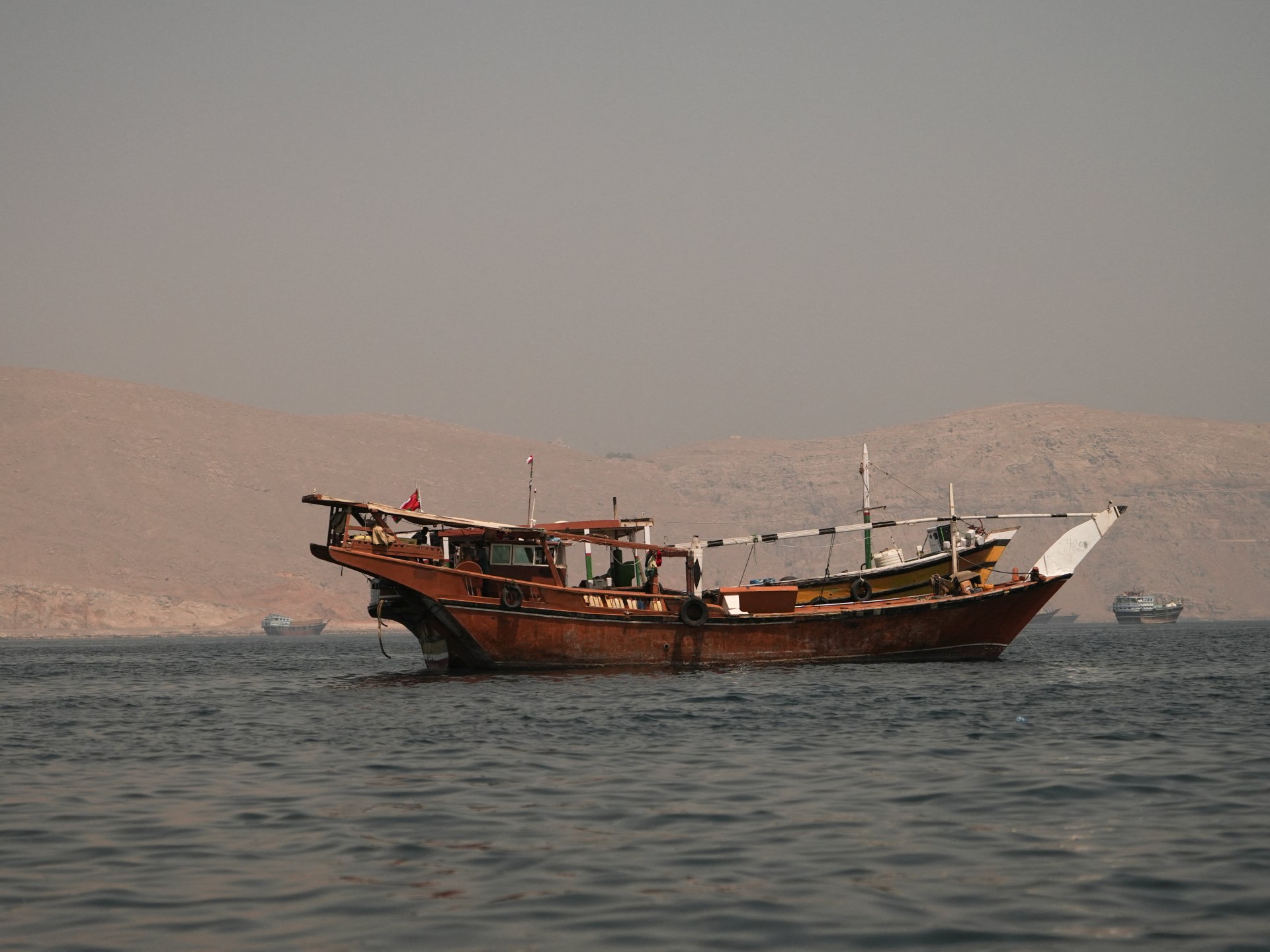
The United States has issued a 60-day license allowing Iranian oil to be produced, shipped and sold to the US, easing part of Washington’s sanctions regime while talks with Tehran continue. The move matters for energy markets and Gulf shipping, with oil prices falling and tanker movements through the Strait of Hormuz picking up after recent disruption.
The US Treasury announced the waiver on Monday, saying it was tied to a memorandum of understanding signed by Washington and Tehran on June 17. Treasury Secretary Scott Bessent said on social media that the talks had been “productive” and that parts of the memorandum were being carried out.
Bessent said Iran had agreed to allow free and open transit through the Strait of Hormuz and to admit International Atomic Energy Agency inspectors. He said the Treasury had issued a temporary general license covering the production, delivery and sale of Iranian oil.
The license runs through August 21, according to the Treasury. It covers Iranian-origin crude oil, petrochemical products and petroleum products, and allows imports into the United States. The authorization does not cover transactions involving US-sanctioned North Korea or Cuba, or Russian-occupied areas of Ukraine, the Treasury said.
Iranian government officials did not immediately respond to the announcement, according to Al Jazeera and Reuters.
Talks in Switzerland
The sanctions waiver came as US Vice President JD Vance described the US-Iran discussions at Burgenstock, Switzerland, in positive terms. Vance told reporters the two sides had laid “a very good foundation for a successful final deal.”
Vance also played down a public exchange a day earlier between President Donald Trump and Iranian negotiator Mohammad Bagher Ghalibaf. He said threats that negotiators could walk away had not derailed the discussions.
Mediators involved in the talks said Washington and Tehran had made “encouraging progress” in the first round, Reuters reported. Vance did not set a date for the start of nuclear inspections, but said talks with the IAEA could begin as soon as Monday.
The United States has said preventing Iran from developing a nuclear weapon was a central reason for its attacks, and has demanded that Tehran reopen its nuclear facilities to international monitoring. Iran has denied seeking nuclear arms and says its nuclear programme is for civilian purposes.
Oil and shipping reaction
Oil prices extended recent losses after the license was announced. Brent crude fell more than 3.5 percent to $77.7 a barrel, according to Al Jazeera and Reuters.
Ship tracking data also indicated more activity in the Strait of Hormuz, a key route for oil and gas shipments. The increase came two days after Iran said it would re-close the waterway amid Israeli attacks on Lebanon, according to Al Jazeera and Reuters.
Kpler ship tracking data showed four Qatar-controlled LNG tankers entering the Gulf through the strait on Monday. It also showed two supertankers entering the Gulf, with one listing the Iraqi port of Basra as its destination.
MarineTraffic data showed two smaller crude tankers carrying just under 2 million barrels of oil in total leaving the waterway for the Gulf of Oman on Monday. Ship broker Clarksons said daily crossings remained below the 125 seen before the Iran hostilities, but said the trend was improving.
The United States has said the strait was not closed for a second time. US tracking counted 55 merchant ships passing through the strait on Saturday with more than 17 million barrels of oil, according to Al Jazeera and Reuters.
This story draws on original reporting from Al Jazeera.