
Lebanon weighs deconfliction cell before Israel talks
President Joseph Aoun discussed a plan meant to keep the Israel-Hezbollah ceasefire from breaking down ahead of talks in Washington.
By Lucas Ferreira · Science & Environment Writer
3 min read
Lebanon’s president discussed a proposed “deconfliction” system with senior US and Qatari officials as Beirut prepares for another round of talks with Israel. The plan is meant to keep the ceasefire between Israel and Hezbollah from collapsing into wider fighting, according to the Lebanese presidency.
President Joseph Aoun spoke by phone Monday with US Vice President JD Vance and Qatari Prime Minister Sheikh Mohammed bin Abdulrahman bin Jassim Al Thani, the presidency said. The call centered on strengthening the truce after months of Israeli raids in Lebanon and Hezbollah attacks on northern Israel, according to the statement.
Al Jazeera and AFP reported that Lebanese and Israeli delegations are scheduled to resume peace talks in the United States on Tuesday. The talks would be the fifth round since April, when the two sides began their first direct negotiations since 1993.
US, Qatar and Pakistan point to new cell
Qatar and Pakistan, which mediated a first round of US-Iran talks in Switzerland on Sunday, said the parties agreed to set up a “deconfliction cell” for Lebanon. They said the cell would help ensure compliance with the halt to military operations there, but gave no operational details.
Vance later told reporters the proposed system was designed to stop incidents from expanding into a broader confrontation. He said the United States believed an arrangement could protect Lebanon’s sovereignty and territorial integrity while also addressing Israel’s security.
Vance said that outcome would require coordination with the Lebanese Armed Forces and pressure from Iran on Hezbollah. Iran’s foreign minister, Abbas Araghchi, wrote on social media after the Switzerland talks: “1st real test: Lebanon deconfliction cell.”
Al Jazeera and AFP reported that Iran, Hezbollah’s main backer, has made a Lebanon ceasefire a key condition in its negotiations with Washington. They reported that the United States entered the war in Iran alongside Israel in February.
Netanyahu says Israel will keep operating
Hezbollah has rejected earlier agreements aimed at reducing fighting and has criticized the Lebanese government for engaging with Israel, according to Al Jazeera and AFP. Israel has kept up operations in Lebanon despite the diplomacy, while Hezbollah has continued to respond militarily.
Israeli Prime Minister Benjamin Netanyahu said late Monday that Israeli forces would retain “full freedom” to act against any threat in southern Lebanon. He also said troops would remain there as long as Israel considered necessary, according to Al Jazeera and AFP.
Netanyahu had previously pledged to occupy southern Lebanon “as long as is necessary,” according to Al Jazeera and AFP. Vance last week publicly criticized Israel’s approach, warning its leaders that they could not “just kill your way out” of security crises and urging them to stop attacking US decisions.
Ceasefire shows signs of holding
The ceasefire appeared to hold on Sunday and Monday, according to Al Jazeera and AFP. A spokesperson told reporters that Sunday was the first day since hostilities resumed on March 2 that peacekeepers from the UN Interim Force in Lebanon did not detect any attempted air strikes from either side.
Reporting from Nabatieh in southern Lebanon, Al Jazeera’s Heidi Pett described a “cautious calm” after severe violence in the city and nearby towns and villages.
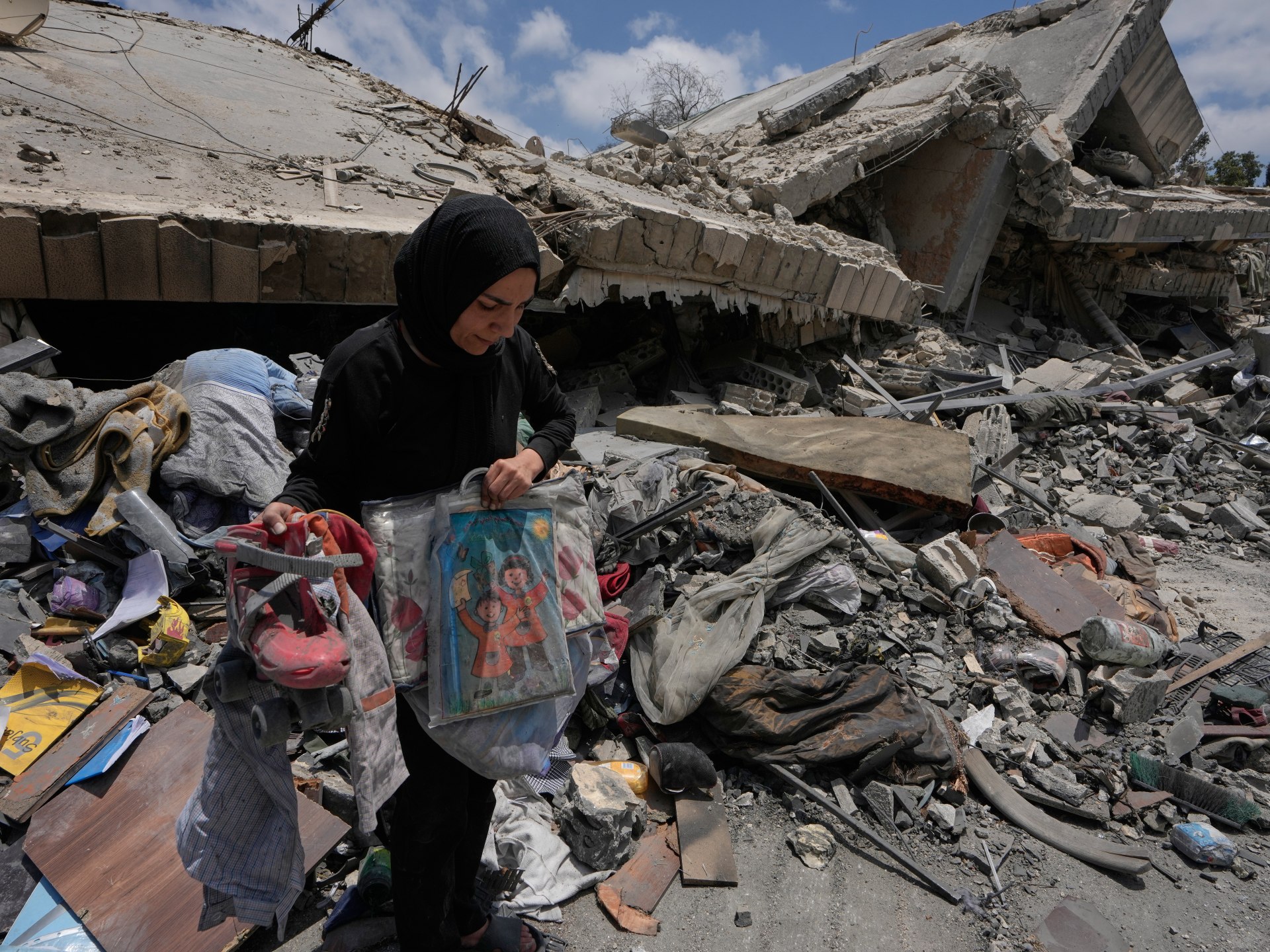
Direct building damage in southern Lebanon since the latest Israel-Hezbollah fighting began in March is estimated at about $1.38bn, according to a tally by the United Nations and a Lebanese research center. The same report said more than 11,000 buildings have been completely destroyed.
Israeli attacks have killed at least 4,175 people and wounded 12,164, Lebanon’s Ministry of Health said Monday.
This story draws on original reporting from Al Jazeera.