
Ultra-Orthodox draft protests deepen Israel’s coalition crisis
Thousands protested arrests tied to draft refusal as Israel’s exemption fight strains Netanyahu’s coalition, Al Jazeera reported.
By Lucas Ferreira · Science & Environment Writer
3 min read
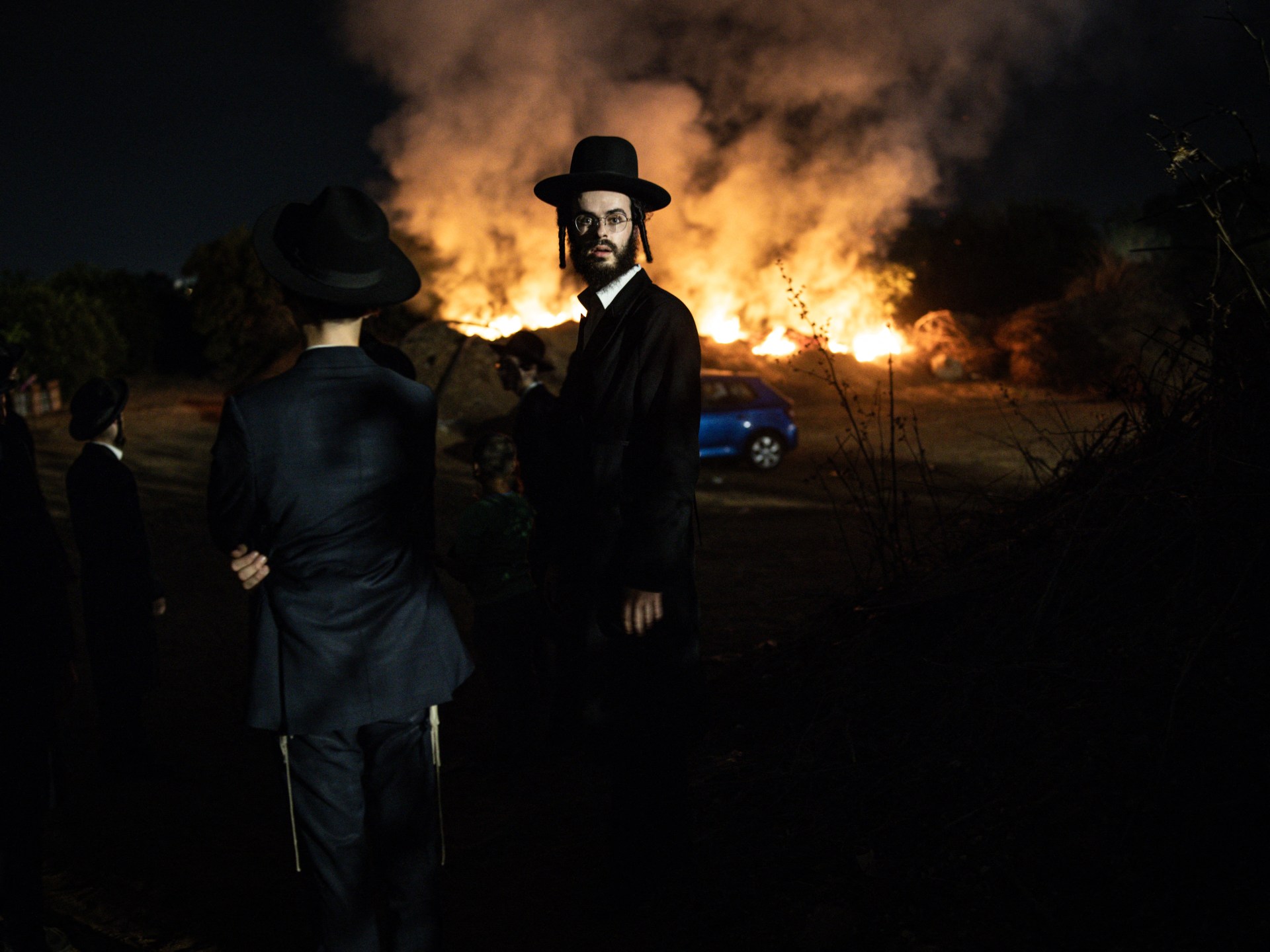
Thousands of ultra-Orthodox Jewish men blocked central Israeli city areas on Thursday night during protests over the arrests of men who refused military conscription, Al Jazeera reported. The demonstrations added pressure to a draft-exemption dispute that is threatening Prime Minister Benjamin Netanyahu’s governing coalition.
According to Al Jazeera, the protesters oppose army service because they see it as a threat to their religious life and Torah study, rather than because of moral objections to Israel’s wars. Protests by young ultra-Orthodox men have become frequent, with Al Jazeera reporting injuries among police and demonstrators, arrests and repeated disruption in city centres.
Draft fight reaches parliament
Al Jazeera reported that Netanyahu’s coalition depends on support from the two main ultra-Orthodox parties, Shas and United Torah Judaism, known as UTJ. Their pressure over the conscription issue has pushed the coalition toward a bill to dissolve parliament and toward backing legislation that would protect draft exemptions for ultra-Orthodox religious students.
UTJ lawmaker Yisrael Eichler praised the bill’s progress as “a declaration of holy war against those who blaspheme God, persecute the Torah and oppose those who study it,” according to the Times of Israel account cited by Al Jazeera. Fellow UTJ lawmaker Meir Porush called opponents of the measure “anti-Semites” and “enemies of the Torah and its students,” Al Jazeera reported.
Both UTJ politicians said Haredi parties had to act because of what they described as persecution of Torah scholars by “dictatorial jurists,” a reference to Israel’s Supreme Court, according to Al Jazeera. Al Jazeera also reported that protesters have targeted the homes of individual judges amid anger over court rulings on the exemption system.
Court rulings changed the stakes
Since the 2010s, Israel’s Supreme Court has repeatedly struck down laws and extensions that preserved blanket draft exemptions for ultra-Orthodox men, ruling that they breached equality before the law, Al Jazeera reported. In June 2024, the court declared the system unlawful and ordered the conscription of eligible ultra-Orthodox men.
Benjamin Brown of the Israel Democracy Institute told Al Jazeera that many ultra-Orthodox Jews view the army as a secularising “melting pot” that could pull recruits away from Torah study. He said ultra-Orthodox leaders present religious study as a form of service that gives “spiritual protection” to the Jewish people.
Brown said Jewish law bars violence, but some activists frame state limits as “shemad,” or religious persecution against Jewish observance and identity, according to Al Jazeera. He also cautioned that Haredi politics is “largely reactive rather than strategic,” with decisions often made “ad hoc.”
Public opinion hardens
Israeli political analyst Nimrod Flaschenberg told Al Jazeera that ultra-Orthodox recruitment could become a central election issue. He said the number of ultra-Orthodox students exempted from military service had grown from 400 in 1948 to more than 54,000 students eligible for recruitment today.
Polls cited by Al Jazeera show about four-fifths of Israelis support drafting ultra-Orthodox men or imposing penalties for refusal. Al Jazeera also cited an Israel Democracy Institute survey that found 85 percent support sanctions on ultra-Orthodox men who refuse service, including cutting state benefits for students whose families rely on them.
Former Prime Minister Naftali Bennett, a Netanyahu rival, told a conference earlier this month that failing to address the exemption amounted to a “slow-motion path to suicide,” Al Jazeera reported.
Daniel Bar-Tal, a Tel Aviv University professor, told Al Jazeera that ultra-Orthodox Jews make up about 12 percent of Israel’s Jewish population and that their share is expected to rise because of high birthrates. He said only about half would join the military service or workforce participation expected of the wider Israeli public.
Analyst Ori Goldberg told Al Jazeera that opposition politicians want to appear firm against ultra-Orthodox demands while preparing for possible compromises. He said Netanyahu has handled the same coalition dynamics for two decades and remains a familiar partner for ultra-Orthodox parties.
This story draws on original reporting from Al Jazeera.