
Ukraine reports May territorial gains as strikes hit Russian supply lines
Kyiv says it regained more ground than it lost in May while expanding attacks on Russian fuel, ammunition and transport routes.
By Lucas Ferreira · Science & Environment Writer
4 min read
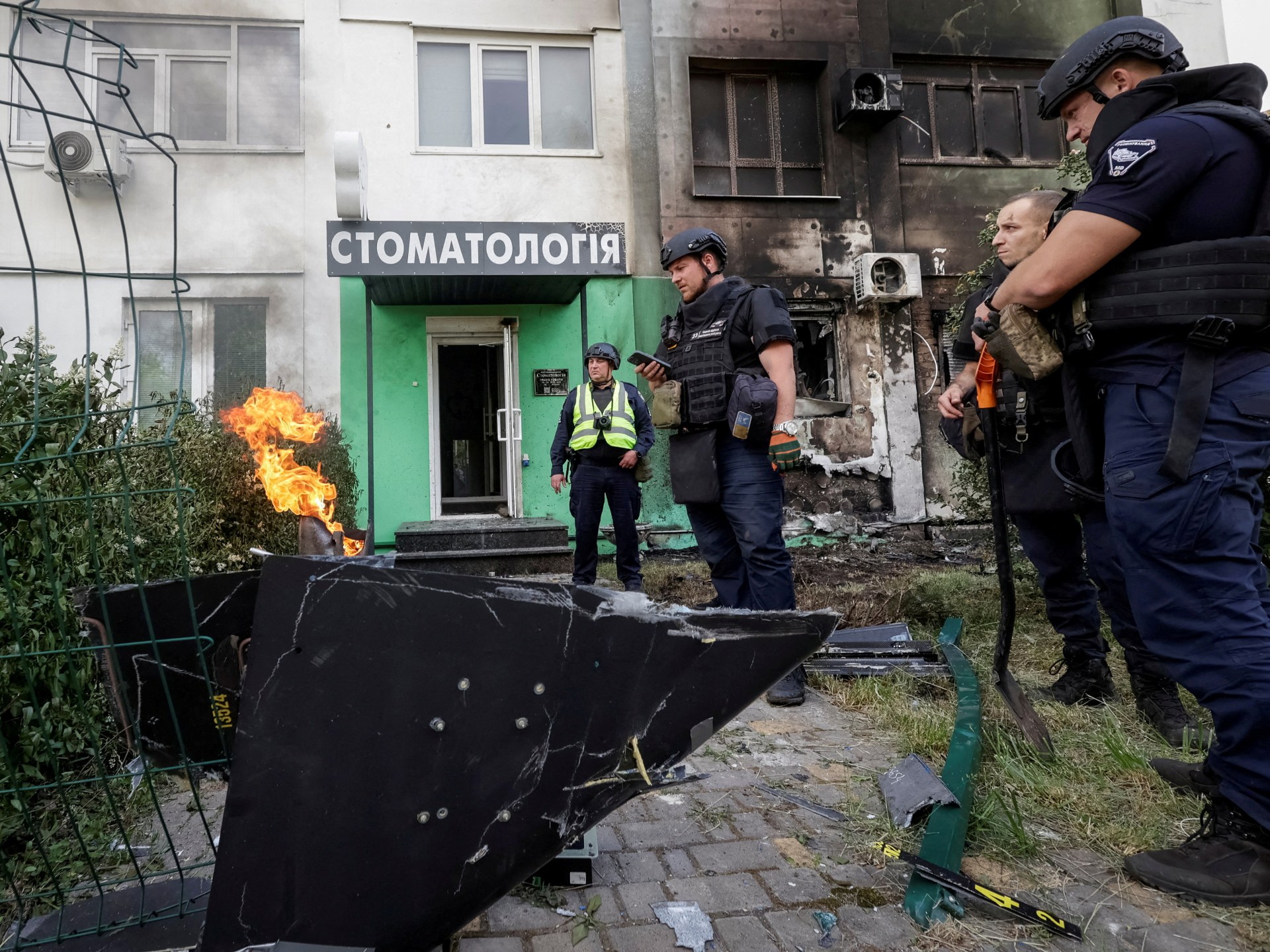
Ukraine says it took back more territory than it lost in May, a shift that would interrupt a pattern of Russian monthly net gains. Ukrainian officials linked the battlefield change to a broader campaign against Russian fuel, ammunition and transport routes behind the front.
Commander-in-chief Oleksandr Syrskii said on Telegram that liberated territory exceeded lost ground by nearly 100 square kilometres, or about 40 square miles. He said Ukraine had reclaimed 600 square kilometres, or 230 square miles, during the first five months of 2026.
Other estimates put Ukraine’s May gains higher. Militarnyi, a Ukrainian defence outlet citing military sources, estimated a net gain of 120 square kilometres, saying Russia captured 130 square kilometres and lost 250 square kilometres during the month.
The Institute for the Study of War, a Washington-based think tank that uses open-source geolocated data, assessed an even larger shift. It said Russian forces seized or entered about 40 square kilometres in May while losing control of roughly 280 square kilometres. The ISW also said Ukraine appeared to have reversed Russian gains in April, when it estimated Moscow gained 28 square kilometres and lost 116 square kilometres.
Russia advances near Donetsk fortress belt
Russia still made progress in one key sector. Ukrainian military observer Kostyantyn Mashovets reported on June 10 that Russian forces had moved into eastern Konstiantynivka, the southernmost city in a four-city defensive belt in Donetsk.
The ISW said Russian troops first entered parts of Konstiantynivka last October and now control about 13 percent of the city. Russian President Vladimir Putin has made capturing the remaining Ukrainian-held fifth of Donetsk a priority, though deadlines he set for that goal have passed several times, according to the report.
Ukrainian President Volodymyr Zelenskyy said Putin rejected a June 5 call for direct talks. Zelenskyy also said he met Russian oligarch Roman Abramovich, whom he described as acting as Putin’s intermediary.
Kyiv targets routes, fuel and ammunition
Ukrainian Defence Minister Mykhailo Fedorov said strikes on Russian targets more than 50 kilometres, or 30 miles, from the front doubled in May compared with April. Syrskii put the number of May strikes at almost 2,000.
Robert Brovdi, commander of Ukraine’s Unmanned Systems Forces, said weeks of attacks in Kherson and Zaporizhia reduced Russian military traffic by more than 70 percent on the M-14 motorway, the main east-west route in the south. Brovdi said regional occupation authorities halted traffic on that road altogether on June 7.
That forced Russian supply planners toward two Crimea-linked highways, the E105 and E97, according to the Ukrainian account. Ukraine struck a bridge carrying the E105 over the Chonhar Strait the next day, leaving the E97 as the remaining route, the report said.
Commander Dmitry Filatov told Suspilne Radio that Ukrainian forces then ambushed Russian fuel and ammunition trucks at Armyansk on June 9 after about 50 vehicles were directed onto the E97. He said earlier strikes near Mariupol and on the road to Berdyansk helped force Russian units supplying the Hulyaipil direction to depend on Crimea routes.
Fuel shortages in Crimea have also worsened, according to Ukrainian and occupation officials cited in the report. Sevastopol occupation governor Mikhail Razvozhaev rationed fuel on June 7 to 20 litres per car per day, then changed the limit to 20 litres per week.
Atesh, a Ukrainian underground group operating in Crimea, said Russian units were leaving positions on the Kinburn Spit because they lacked food and fuel. Brovdi told Reuters that Ukraine would try to make it extremely difficult for Russian military personnel and defence industry workers to remain in Crimea and other occupied areas or use routes leading to them.
Drone war and recruitment pressures
Syrskii said Ukrainian short- and medium-range drones hit 180,000 targets in May, up 12.7 percent from April. Fedorov said Russia launched 25 percent more Shahed drones in May than in April, while Ukrainian shoot-downs rose by 50 percent to about 4,000.
Fedorov said a new interceptor drone generation could change Shahed interceptions once it reaches full production, adding that it automates 95 percent of the process. Ukraine has also continued long-range strikes on Russian refineries, oil depots and loading terminals, according to the report.
Syrskii said Russia has struggled to staff new unmanned systems units, with 14,500 people signing contracts since the start of the year, about 21 percent of the annual target. He said Ukraine had killed or wounded 12,500 more Russian troops this year than Moscow had recruited.
Russian opposition outlet Vazhnye Istorii said budget data showed 71,200 enlistment bonuses paid in the first quarter of 2026, down from almost 90,000 in the same period of 2025. It estimated Russian recruitment in 2025 was already 10 percent lower than in 2024.
This story draws on original reporting from Al Jazeera.