
Ugandan initiative turns shea waste into cooking fuel
Lucy Everlyn Atim’s Moyao Africa Initiative trains women in northern Uganda to make briquettes from shea husks as charcoal demand threatens indigenous trees.
By Sofia Marchetti · World Affairs Correspondent
3 min read
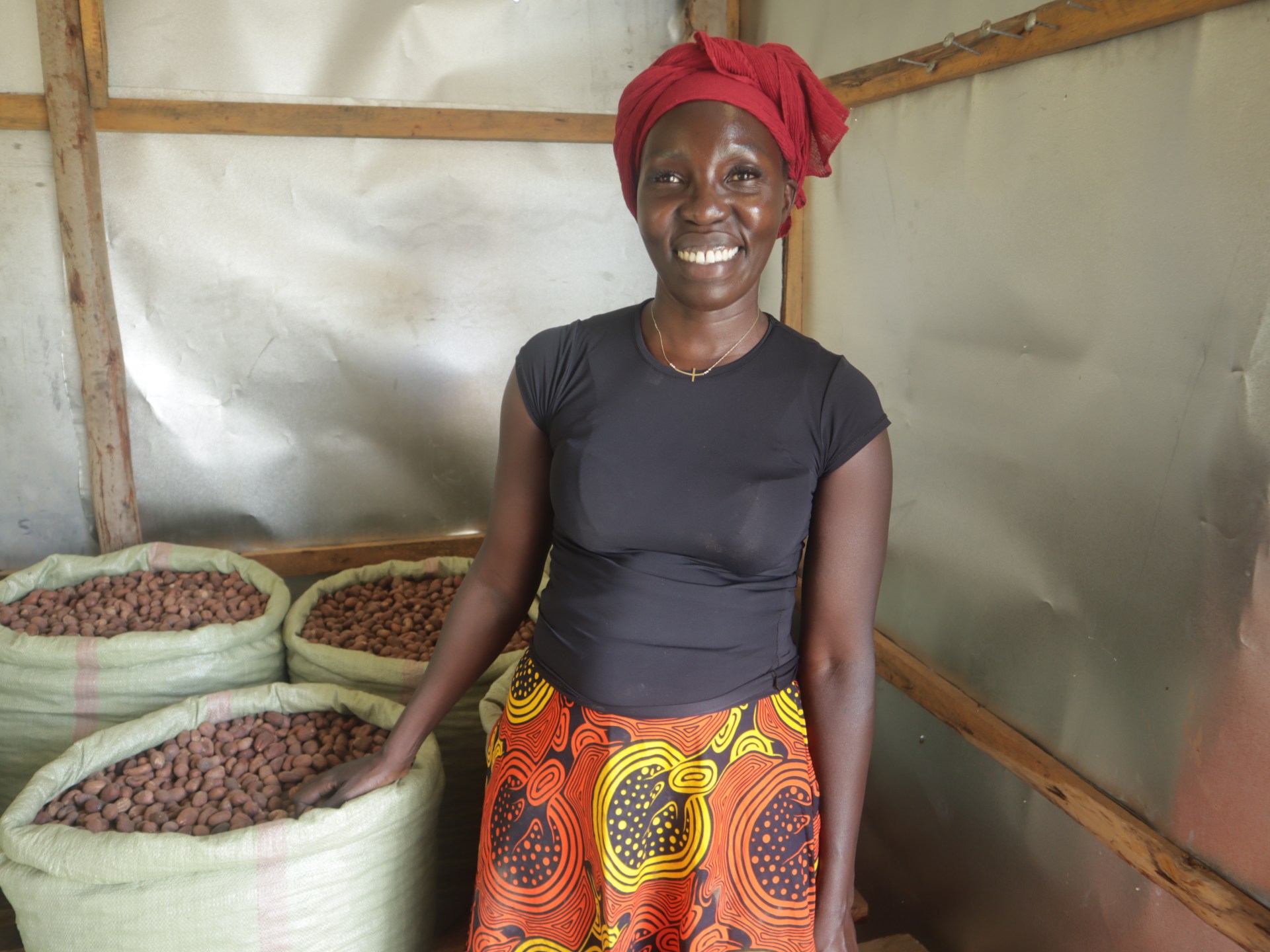
In northern Uganda, Lucy Everlyn Atim is trying to reduce pressure on shea trees by turning discarded husks into cooking briquettes. Her project matters because charcoal use remains a major driver of tree loss in a region where many families rely on it to cook.
Atim, a climate activist in her mid-30s, returned to Alebtong after six years working as a child rights activist in refugee settlements in South Sudan, Al Jazeera reported. She found that a shea tree she remembered from childhood had been cut down, part of a wider pattern of trees felled for charcoal.
Shea, known locally as moyao, provides fruit and kernels used to make butter. Atim told Al Jazeera that she became worried by the destruction of the trees and saw the need for a fuel option that did not depend on cutting them down.
Uganda loses an estimated 122,000 hectares of forest each year, mainly because of charcoal production and logging, according to Al Jazeera. About 90 percent of households use charcoal for cooking, and indigenous trees including shea and Afzelia africana continue to decline.
Research by Makerere University found that mature shea trees on fallow land fell from about 20 in 2008 to between 10 and 15 by 2017. Dr Patrick Byakagaba, the Makerere University environmental researcher who led the study, told Al Jazeera that data on the decline in northern Uganda remains limited and that more work is needed on tree density, sapling survival and regeneration.
Byakagaba said tracking losses is difficult because charcoal producers often remove entire trees, leaving no stumps to count.
Waste becomes fuel
Atim said she first saw the fuel idea while working in South Sudan, where a woman in Yida was making briquettes from discarded shea husks. In 2023, she founded Moyao Africa Initiative, a social enterprise that uses shea waste for fuel and helps women earn income from shea butter processing.
The initiative has six staff members and works with more than 1,200 women in savings groups, according to Al Jazeera. The women collect shea waste, make briquettes and process butter.
Atim told Al Jazeera that women in many households are responsible for finding cooking fuel. She said training them to make and sell briquettes and shea butter gives them income while offering a lower-cost alternative to charcoal.
During a training session in Alebtong, women learned the steps for making briquettes: collecting husks, crushing them, mixing them with clay and cassava flour, shaping the mixture, drying it and storing it. The cassava paste works as a binder before the briquettes dry in the sun.
Catherine Akello, chairperson of the Oteno Moyao Africa Women’s Group in Abwoc village, told Al Jazeera that she once threw away shea husks and used only the kernels for butter. Akello, a 47-year-old mother of five, said she now makes her own briquettes and saves money with her group from product sales.
Growth plans and limits
Demand for the briquettes is rising, but production is restricted by the seasonal shea harvest, Al Jazeera reported. Atim is saving for a carboniser, crusher and briquette-making machine costing about $530.
She told Al Jazeera the equipment would help the initiative process more waste and make briquettes through the year. Atim said the group aims to raise shea butter production from 600 litres to 6,000 litres, which would also create more husks for fuel.
Renewable energy expert Bosco Odyek told Al Jazeera that briquettes made from shea husks are a practical charcoal alternative because they use waste material. He said a carboniser would produce cleaner-burning, smokeless briquettes that burn more efficiently.
Moyao Africa Initiative also runs environmental clubs in 20 schools in Alebtong District and works with Uganda’s National Agricultural Research Organisation to distribute tree seedlings, according to Al Jazeera. Paul Mwirichia, a humanitarian and development expert, told Al Jazeera that government should support local organisations such as Atim’s because they understand community problems and are trusted by residents.
This story draws on original reporting from Al Jazeera.