
Ugandan convent seeks hospice care for aging nuns
A pilot program aims to bring palliative care and basic support to retired sisters after decades of work in schools, clinics and communities.
By Sofia Marchetti · World Affairs Correspondent
3 min read
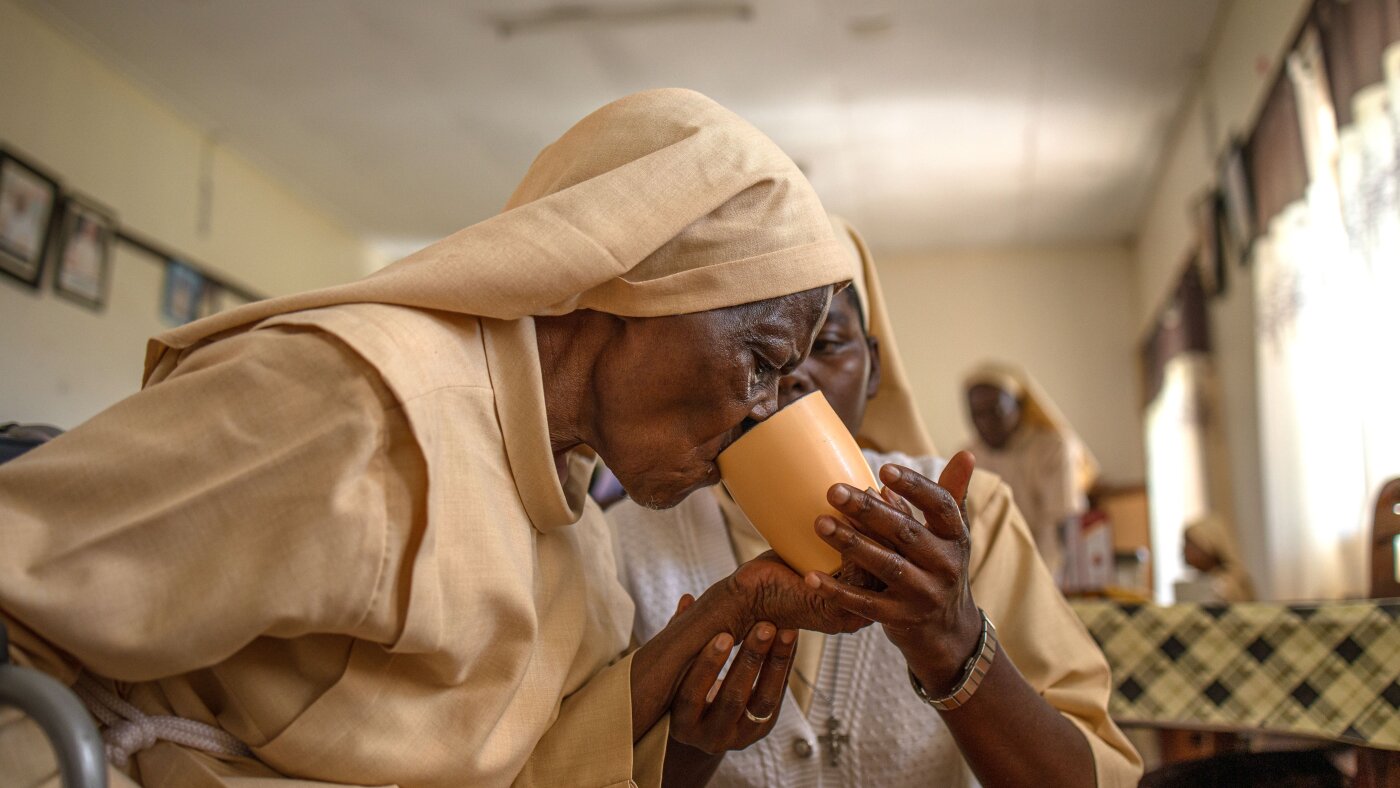
A Catholic order in Uganda is seeking hospice-style support for retired nuns who spent decades working as teachers, nurses, doctors and social workers. NPR reported that the effort could become a model for caring for thousands of aging sisters across Africa.
The program centers on the Little Sisters of St. Francis in Nkokonjeru, Uganda, where the order’s motherhouse serves both as the place where women begin religious life and where many are buried. Sister Jane Francis Nakafeero, the order’s superior general, told NPR she worries that elderly sisters lack basic care as they reach the end of life.
At the convent, younger nuns help retired sisters get in and out of bed, move around the compound and eat meals, according to NPR. But Nakafeero said the order needs items such as adult diapers, wheelchairs, hearing aids and warm blankets.
The concern led to a partnership with the African Palliative Care Association and Jean Callahan, a former chair of the Irish Hospice Foundation who sits on the association’s advisory board. Callahan told NPR she was struck that women who had spent their lives serving others were reaching old age without basic support.
The pilot program began in September 2025, NPR reported. It is intended to address medical care, supplies, emotional support, activities for retired nuns and training for the younger sisters who care for them.
Researchers assess needs at the convent
Eve Namisango, director of the African Palliative Care Association, is leading research into the needs of about 50 retired Little Sisters of St. Francis, most of them Ugandan, according to NPR. The order also includes sisters from Kenya and Tanzania.
Namisango told NPR the next step is caregiver training, with a goal of bringing palliative care to Ugandan convents by 2027 and later extending the approach elsewhere in Africa. The Vatican counts about 82,000 nuns on the continent, and the African Palliative Care Association estimates that 8,000 to 10,000 may need end-of-life care, NPR reported.
Daily life at the Nkokonjeru convent shows the need. NPR reported that 14 retired sisters live there, many with limited mobility. About 10 have mobility problems, while the convent has seven wheelchairs, some with worn wheels or faulty brakes.
The sisters begin the day with prayer and then eat breakfast together. Father Joseph Balikuddembe, a priest at the convent, told NPR he worries that retired sisters do not have enough mental stimulation after years of active work.
Sister Mary Hedwig Agoya, 89, entered the convent at 14 and worked as a teacher for 40 years, NPR reported. She said retirement has felt dull after a life of classroom responsibilities, prayer and service.
Sister Rosemary Luyiga, 95, also entered religious life as a child and served in 10 locations, according to NPR. Mostly unable to move around on her own, she said loneliness is difficult and that there are too few caregivers to respond when she needs help.
Funding remains uncertain
Sister Mary Consolata Nakawoojwa, a social worker who studied geriatric care in the United States, helps care for the retired sisters with two other nuns and a small group of cooks and caregivers, NPR reported. She said many elderly sisters struggle with depression and anxiety as their identities change after retirement.
Kristina Newport, chief medical officer at the American Academy of Hospice and Palliative Medicine, told NPR that palliative care includes emotional support as people face the end of life, not only pain control.
Callahan and Nakafeero told NPR that retired nuns receive less institutional attention than priests. NPR reported that the Vatican did not respond to repeated requests for comment about responsibility for retired female religious orders.
The pilot work is being funded by an anonymous Irish donor, NPR reported. Campaigners are trying to raise about $135,000 to complete the program, including material support for the sisters and training for caregivers.
This story draws on original reporting from NPR.