
Turkey expands military outreach to eastern Libya as Egypt coordinates
Ankara is building ties with Khalifa Haftar’s camp, but Egyptian sources and analysts say Cairo is not treating the shift as a threat.
By James Whitfield · Staff Writer
3 min read
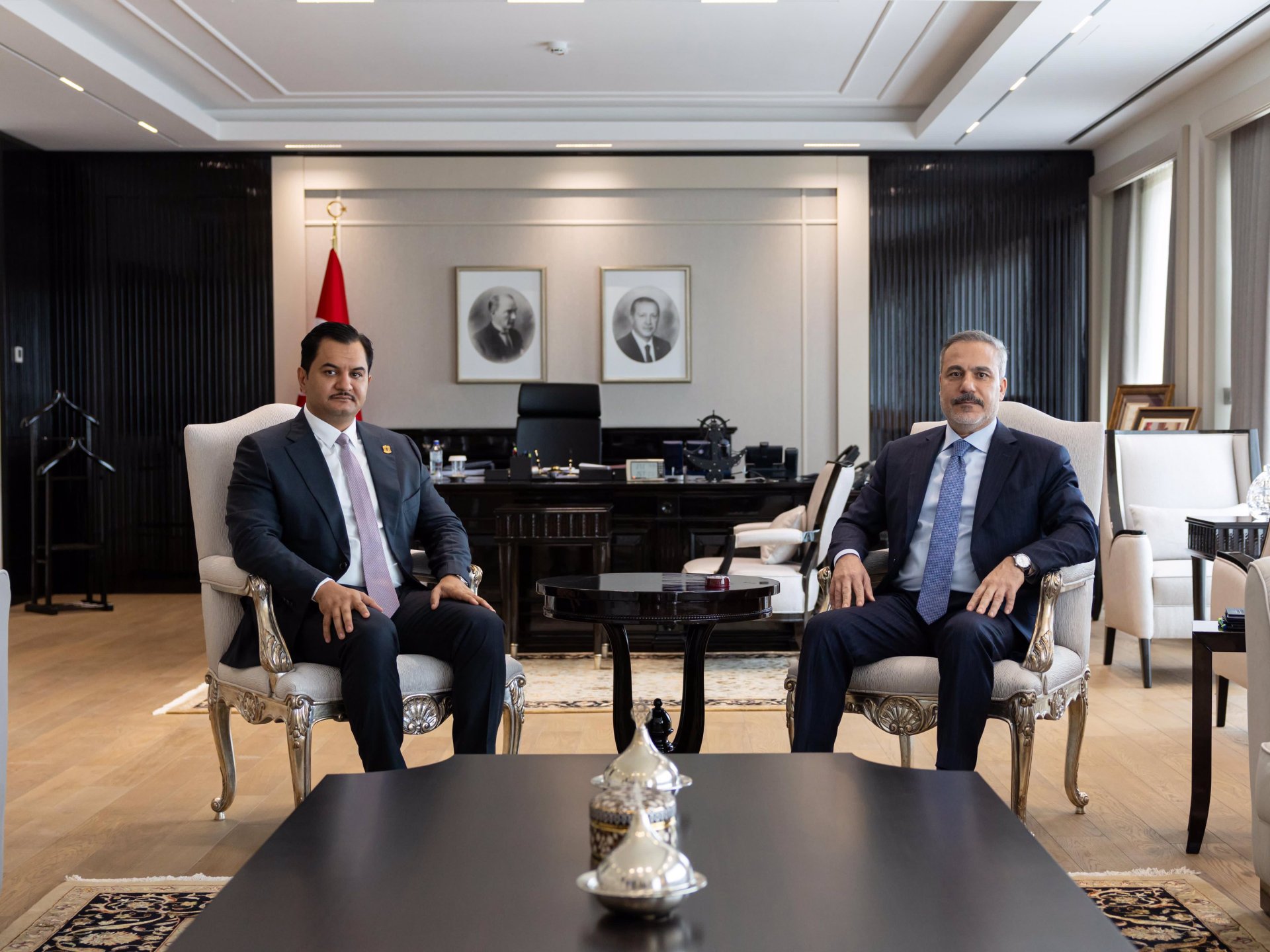
Turkey is widening military cooperation with eastern Libya’s Khalifa Haftar after years of backing the rival, internationally recognised authorities in Tripoli. The shift matters because it puts Ankara in closer contact with a camp long associated with Egypt’s Libya policy, raising questions about whether Cairo sees Turkish involvement near its border as a risk.
Al Jazeera reported that Turkish engagement with Haftar’s eastern-based General Command has moved beyond talks into technical and military cooperation with the self-styled Libyan National Army, or LNA. The LNA has been fighting forces aligned with the Tripoli-based government since Libya’s civil war began in 2014 and has long been believed to have support from Egypt and other regional powers, according to Al Jazeera.
Turkey’s foreign minister, Hakan Fidan, met Saddam Haftar, deputy commander of the eastern forces, in Ankara, according to a Turkish Foreign Ministry handout cited by Al Jazeera. Official statements have described the contacts in general terms, referring to military cooperation and exchanges of expertise.
Reported understandings on training and surveillance
Al Jazeera, citing private sources, reported that Ankara and the General Command have reached understandings covering military facility development, advanced surveillance systems and training for eastern Libyan officers inside Turkey. The report said specialised Turkish defence companies are involved in the projects.
A security source told Al Jazeera that Saddam Haftar is leading the process through regular meetings with Turkey’s defence minister and chief of staff. Al Jazeera said the public language around the contacts does not explicitly confirm Turkish bases or drone deployments, but described the cooperation as a deeper technical alignment.
The outreach marks a notable change for Turkey, which was a principal supporter of the Tripoli-based Government of National Accord during earlier phases of the war. Ankara signed a 2019 maritime border agreement with that government, a deal that remains central to Turkish interests in the eastern Mediterranean.
Why Cairo is not objecting publicly
Despite Egypt’s historic ties to Haftar’s side and its view of eastern Libya as a critical security zone, Cairo is not publicly sounding alarms. An Egyptian source familiar with bilateral relations told Al Jazeera that Turkey does not act in Libya without prior coordination with Egypt, reducing the risk of friction between the two countries.
Brigadier General Samir Ragheb, director of the Arab Foundation for Development Strategic Studies, told Al Jazeera that Egyptian-Turkish coordination has reached its highest level across several areas, including military affairs. He said the two countries are also aligned in Sudan’s war, where both back the army against the Rapid Support Forces.
Ragheb told Al Jazeera that Turkish cooperation with Haftar’s camp could support Egypt’s wider aim of limiting LNA backing for the RSF. He also said Turkish involvement in eastern Libya may fill space that other regional players could use in ways that would challenge Cairo’s interests in the Horn of Africa.
According to Ragheb, any Turkish bases in southern Libya would be far from Egypt’s border and could help coordination over security threats in the Sahel and Sahara regions. Al Jazeera reported that sources see Turkey’s approach as a way to protect its influence and economic interests in Libya no matter how future political arrangements between Tripoli and eastern authorities develop.
Those sources also said Ankara wants eastern Libyan acceptance of the 2019 maritime border agreement. Al Jazeera reported that Egypt has not objected to a maritime demarcation based on a Benghazi-Turkey line, which the report described as suggesting tacit understanding.
There are limits to the rapprochement. Faisal Bualraiga, a Libyan national security expert, told Al Jazeera that Haftar can use the cooperation to broaden his ties beyond Russia and the United Arab Emirates, but said it has not become a declared defence agreement or full strategic pact. He warned that a permanent Turkish military presence near Egypt’s or Algeria’s borders would likely heighten regional sensitivities.
This story draws on original reporting from Al Jazeera.