
Tuberculosis drones in Philippines speed testing for remote patients
Al Jazeera’s 101 East reports that Dr Heidi Sampang uses drones to move samples and supplies for remote tuberculosis care.
By James Whitfield · Staff Writer
2 min read
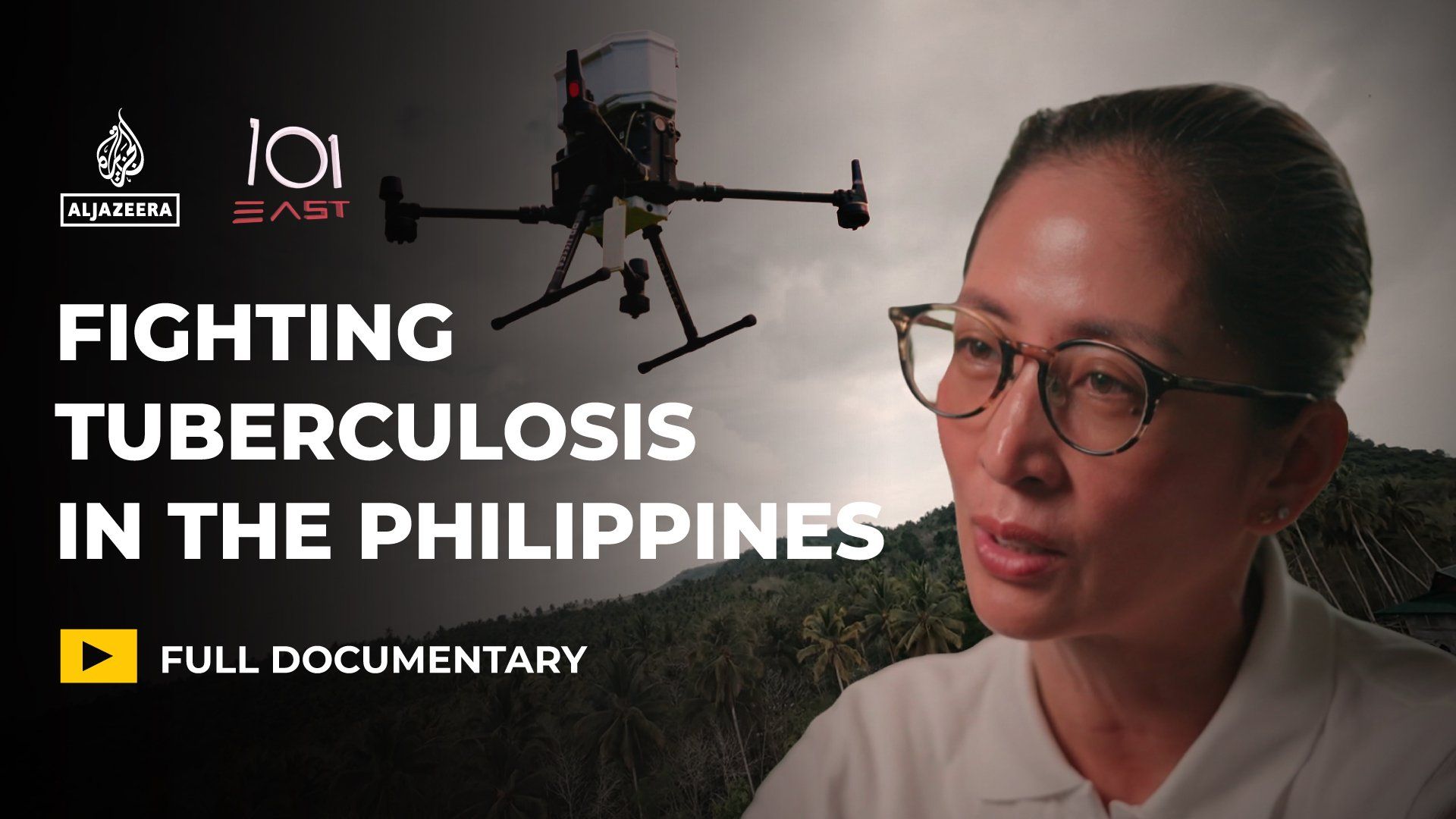
Drones are being used to fight tuberculosis in the Philippines by moving medical samples faster from remote communities to testing services, according to Al Jazeera’s 101 East. The report follows Dr Heidi Sampang and medical teams who are trying to cut delays that can turn the infectious disease deadly.
Al Jazeera reports that tuberculosis is one of the country’s leading causes of death, killing an estimated 98 people each day. The burden is especially severe in isolated areas, where limited medical services can slow diagnosis and treatment.
Dr Sampang uses drones to fly samples for testing, 101 East reports. The aim is to shorten the time between a suspected case and a confirmed diagnosis, a gap that can be critical for patients who live far from clinics or laboratories.
How are drones being used for tuberculosis in the Philippines?
Medical teams are using drones to transport patient samples and speed up testing, according to Al Jazeera. The same technology can also help deliver essential medical supplies to places that are hard to reach by conventional transport.
The approach addresses a basic problem in Philippine healthcare: geography. Al Jazeera describes a country made up of thousands of mountainous islands, where moving samples, medicines or equipment can be slow and difficult for communities far from larger health facilities.
In those settings, delayed diagnosis can leave patients without timely care. Tuberculosis is an infectious disease, and a slower response can also make it harder for health workers to control its spread in communities with fewer medical resources.
101 East’s 25-minute report features the doctors and medical teams using the technology in the Philippines. It presents the drone work as an effort to bring faster tuberculosis care to patients who would otherwise face long waits for testing and supplies.
The report does not say that drones replace doctors, clinics or laboratories. It shows them as a transport tool meant to connect remote patients with the health system more quickly, particularly where distance and terrain make routine medical logistics difficult.
For Dr Sampang, the use of drones is part of a push to apply modern tools to a long-running public health threat, according to Al Jazeera. In communities where tuberculosis remains deadly and access to care is limited, faster movement of samples and supplies can affect how soon treatment begins.
This story draws on original reporting from Al Jazeera.