
Trump asks Supreme Court to revive mail-in voting restrictions
The Justice Department asked the Supreme Court to let parts of Trump’s voting order take effect before November’s midterms.
By James Whitfield · Staff Writer
3 min read
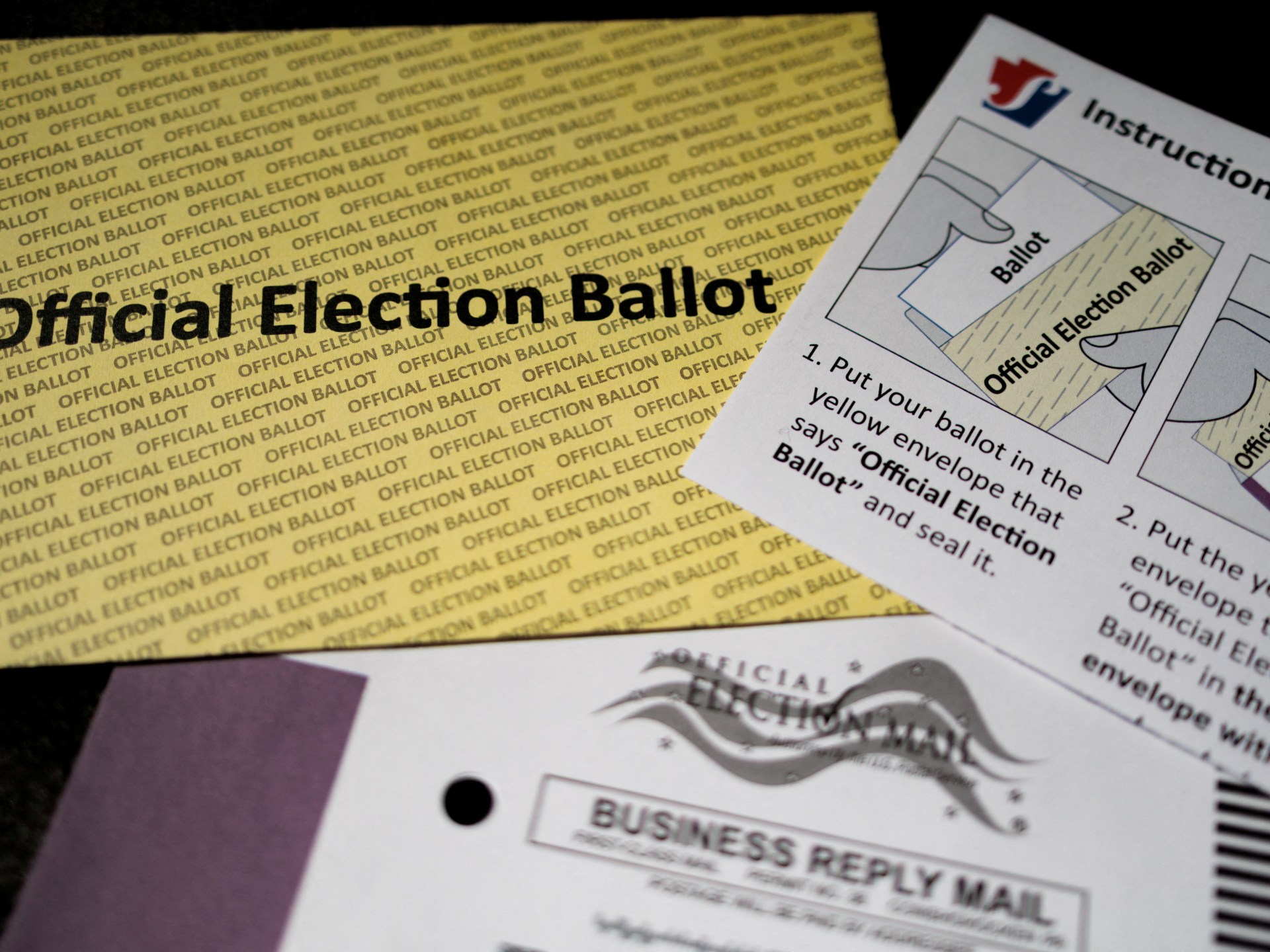
The Trump mail-in voting restrictions blocked by lower courts are now before the US Supreme Court, where the Justice Department has asked for emergency permission to enforce parts of President Donald Trump’s March executive order. The request matters because the administration says the policy would need to be in place by August to affect November’s midterm elections.
In a filing on Monday, the Justice Department asked the justices to pause a lower court order that stopped parts of the measure in 23 Democratic-led states and Washington, DC, according to Al Jazeera, Reuters and The Associated Press. The administration wants the pause to last while lawsuits over the executive order continue.
The case is part of Trump’s wider effort to change how federal elections are run. The November midterms will decide control of the US House of Representatives and the Senate.
What are Trump’s mail-in voting restrictions?
The March executive order directed federal agencies to help assemble state lists of eligible voters and told the US Postal Service to deliver mail ballots only to people on those lists, according to the reporting. It also instructed the Justice Department to give priority to investigations of election officials accused of sending ballots to people who are not eligible to vote.
US District Judge Indira Talwani blocked the order in June. She ruled that Trump did not have the power to change on his own how states run federal elections, and she pointed to the Constitution’s role for states in setting voter-eligibility rules.
The First US Circuit Court of Appeals declined over the weekend to pause Talwani’s ruling. That decision sent the administration to the Supreme Court for emergency relief.
What is the administration arguing?
The Justice Department told the Supreme Court that the order should be treated as broad policy guidance rather than a command telling states how to administer elections. Solicitor General John Sauer argued in the filing that the injunction was improper because federal agencies were still deciding whether and how to carry out the order.
“The injunction is especially indefensible because the agencies are still deliberating over how (if at all) to implement the Order, yet the district court preemptively decided that whatever the agencies may choose to do will necessarily be unlawful,” Sauer wrote, according to Al Jazeera, Reuters and The Associated Press.
Sauer asked the Supreme Court to move quickly, saying the government would need the policy in place by August for it to be useful in the November elections.
Why is mail-in voting part of the fight?
Trump has long claimed, without evidence, that widespread voter fraud affected the 2020 presidential election, and he has repeatedly raised doubts about mail-in voting, according to Al Jazeera, Reuters and The Associated Press. The same reporting noted that studies have found such fraud is rare.
Trump has said he wants to end the broad use of mail ballots before the midterms. Voting rights advocates say limits on mail voting could hit Democratic voters harder, because they have historically used mail ballots more often than Republicans.
The Supreme Court’s response will determine whether the administration can begin carrying out the disputed parts of the order while the underlying legal challenges continue.
This story draws on original reporting from Al Jazeera.