
Trump says Iran deal may be signed Sunday as Tehran questions timing
Pakistan said a U.S.-Iran peace deal could be finalized within 24 hours, but Iran’s foreign ministry said a signing was unlikely so soon.
By James Whitfield · Staff Writer
3 min read
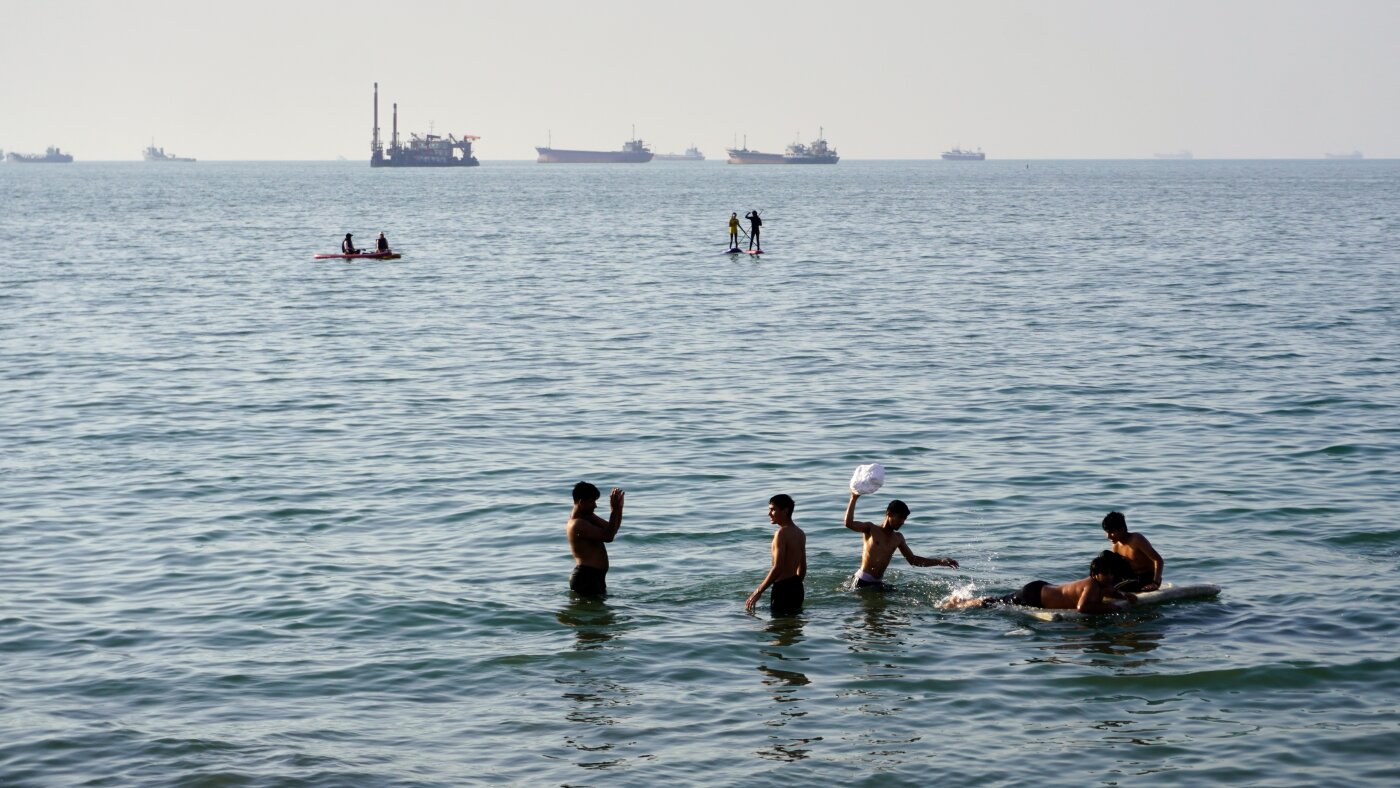
President Trump said Saturday that a deal to end the Iran war was set to be signed Sunday, a claim that would mark a major step toward reopening the Strait of Hormuz. Iran’s foreign ministry pushed back on the timing, while Pakistan, a mediator in the talks, said an agreement was closer than at any point so far.
Trump wrote on Truth Social that the agreement was “scheduled to get signed” Sunday and said the Strait of Hormuz would reopen soon after. The waterway is a key route for global oil and gas shipments, and its closure has added pressure to efforts to pause the conflict.
Iranian Foreign Ministry spokesperson Esmail Baghaei told Iranian state media Saturday that he did not expect the deal to be completed by Sunday. “It will not be tomorrow,” Baghaei said, while adding that an agreement in the coming days remained possible.
Pakistani Prime Minister Shehbaz Sharif, whose government has been mediating between Washington and Tehran, gave a more optimistic account. In a post on X early Saturday, Sharif said the sides were “closer to a peace deal than ever before” and that a finalized agreement was “likely expected in the next 24 hours.”
Sharif said the parties would sign electronically if the deal is completed, followed by technical-level talks next week. He also said Pakistan believed the agreement could provide a basis for lasting peace.
Iranian Foreign Minister Abbas Araghchi also signaled movement Friday. In a post on X, Araghchi said the Islamabad Memorandum of Understanding had “never been closer,” referring to the framework under discussion.
Nuclear stockpile remains a central issue
Trump said Saturday that the deal would lead to the removal of Iran’s enriched uranium stockpile that could be used in a nuclear weapon. The specific terms of any agreement have not been made public.
In his social media post, Trump said the United States would later “downblend and destroy” what he called “Nuclear Dust,” either in Iran or in the United States. He also referred to the role of B-2 bombers and their pilots in reaching material buried under granite mountains.
Trump paired that claim with a warning, saying he hoped the process would move quickly and smoothly, but that the United States had what he called “the ultimate alternative.” He did not spell out what that meant.
Earlier in the week, Trump said he had canceled planned strikes on Iran because discussions with Tehran had reached Iran’s highest leadership and had been approved. He announced that decision Thursday on Truth Social.
Hormuz and G7 talks
The Group of Seven summit begins Monday, where Trump is expected to discuss demining the Strait of Hormuz. A senior U.S. official, speaking to reporters under White House ground rules that required anonymity, said Trump planned to meet on the summit sidelines with leaders from Egypt, Qatar and the United Arab Emirates about efforts to wind down the war.
Britain and France, both G7 members, have shown interest in helping clear mines once fighting is paused. It remains unclear how many mines are in the strait, which Iran has effectively controlled since shortly after the war began, restricting oil and natural gas shipments from the Persian Gulf.
The United States has blockaded Iranian ports in response. Trump said Thursday that the naval blockade would stay in place until the agreement is finalized, and that details on the time and place of signing would be announced later.
A fragile ceasefire has been in effect since April 7.
This story draws on original reporting from NPR.