
Palestinian football stalls as war leaves league and players in limbo
Players and coaches told Al Jazeera the suspended domestic league has cost careers, income and a pipeline of young talent.
By Daniel Okafor · Business Editor
4 min read
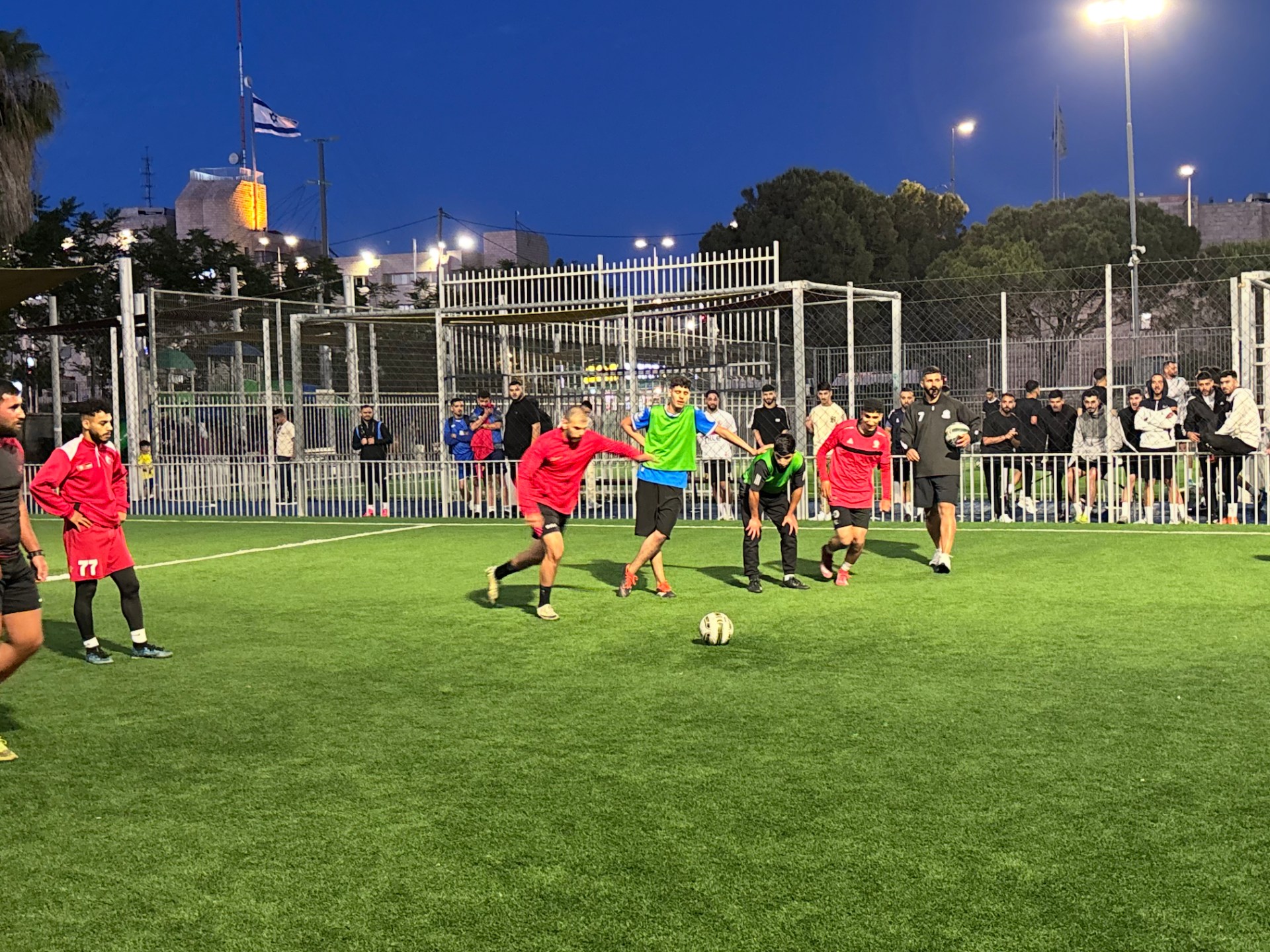
Palestinian football has been largely frozen for nearly three years, leaving professional players without matches, salaries or a clear route back into the sport. Players and coaches told Al Jazeera the shutdown of the domestic league is cutting off livelihoods and threatening the next generation of talent.
The Palestine Professional League has been suspended since the war on Gaza began after the Hamas-led attacks on southern Israel on October 7, 2023, according to Al Jazeera. The disruption has hit clubs across the West Bank and occupied East Jerusalem, where movement restrictions, Israeli military road closures and settler attacks have made regular competition unworkable, officials told the outlet.
Mahdi Hijazi, 23, a former Palestinian national team player with Hilal Al-Quds, now spends time around small pitches in Sheikh Jarrah, near Israeli police headquarters in occupied East Jerusalem. He told Al Jazeera he has tried to stay fit in gyms while waiting for competitive football to resume.
Hijazi said many players in their prime have left the game for work in construction, shops, garages, bakeries and other jobs. He has turned to buying and selling cars, according to Al Jazeera.
Paychecks disappear
Before the suspension, a player in the professional league could earn about $2,000 to $3,000 a month, while national team players could make up to $7,000, Al Jazeera reported. Khaled Abu Dalu, a former national team player who runs a youth academy in Jerusalem, said former stars from his academy are now out of work or taking jobs far from the careers they had built.
Mustafa Owais, 35, a former professional player, told Al Jazeera that one ex-teammate from Bethlehem now earns 100 to 200 shekels a week, about $34 to $68, while supporting a family. Another former teammate who had made $5,000 a month from football now gets by on about $500, Owais said.
Some players have sought options abroad or in Israel’s Premier League. Abu Dalu told Al Jazeera that players have joined Israeli clubs while waiting for the Palestinian league to return, because they still want to play and support their families.
Veteran coach Abdul Fatah Arar said Palestinian players have also moved to leagues in Libya, Egypt, Jordan, Qatar, Kuwait, Malaysia and Indonesia. He estimated that 70 to 80 went to Libya, about 10 to Egypt, roughly six to Jordan and smaller numbers elsewhere, adding that those countries often classify Palestinians as local players rather than foreign signings.
Women’s team offers a rare lift
The women’s national team has still found success. Al Jazeera reported that a largely homegrown Palestinian squad beat Jordan in April 2025 to win the West Asian Football Federation Women’s Championship for the first time.
Laila Atamneh, 18, from Beit Hanina in East Jerusalem and a member of the women’s under-20 national team, told Al Jazeera that players drew motivation from people in Gaza supporting them. She also said the clubs she previously played for have disappeared during the crisis, leaving girls in Jerusalem with few visible next steps.
Coaches fear a lost pipeline
Coaches said the longest-term damage may fall on teenagers who should now be breaking into senior football. Khalil Hamed, a former player who coaches at Abu Dalu’s academy, told Al Jazeera that 18-year-olds who should be reaching first teams have given up.
Arar, who helped develop the West Bank Premier League after its launch in 2008, said none of the young players he coached in 2023 are still playing. He hopes a smaller version of the league can return after the summer break, according to Al Jazeera.
Owais said any resumed league may pay players as little as 500 shekels a month, about $171, or no salary at all. Al Jazeera reported that clubs are short of money because Palestinian Authority funds are frozen by Israel and local business donors have pulled back.
Arar said youth academies in West Bank towns and villages could still help rebuild the sport. Abu Dalu told Al Jazeera he sees real talent among boys training in Sheikh Jarrah, but fears that without a functioning league, many will become coaches or leave football before getting a professional chance.
This story draws on original reporting from Al Jazeera.