
Trump claims Iran accord is close as Tehran says talks remain unfinished
Trump said a weekend signing could follow cancelled US strikes, while Iran and analysts cautioned that no final settlement has been reached.
By Daniel Okafor · Business Editor
3 min read
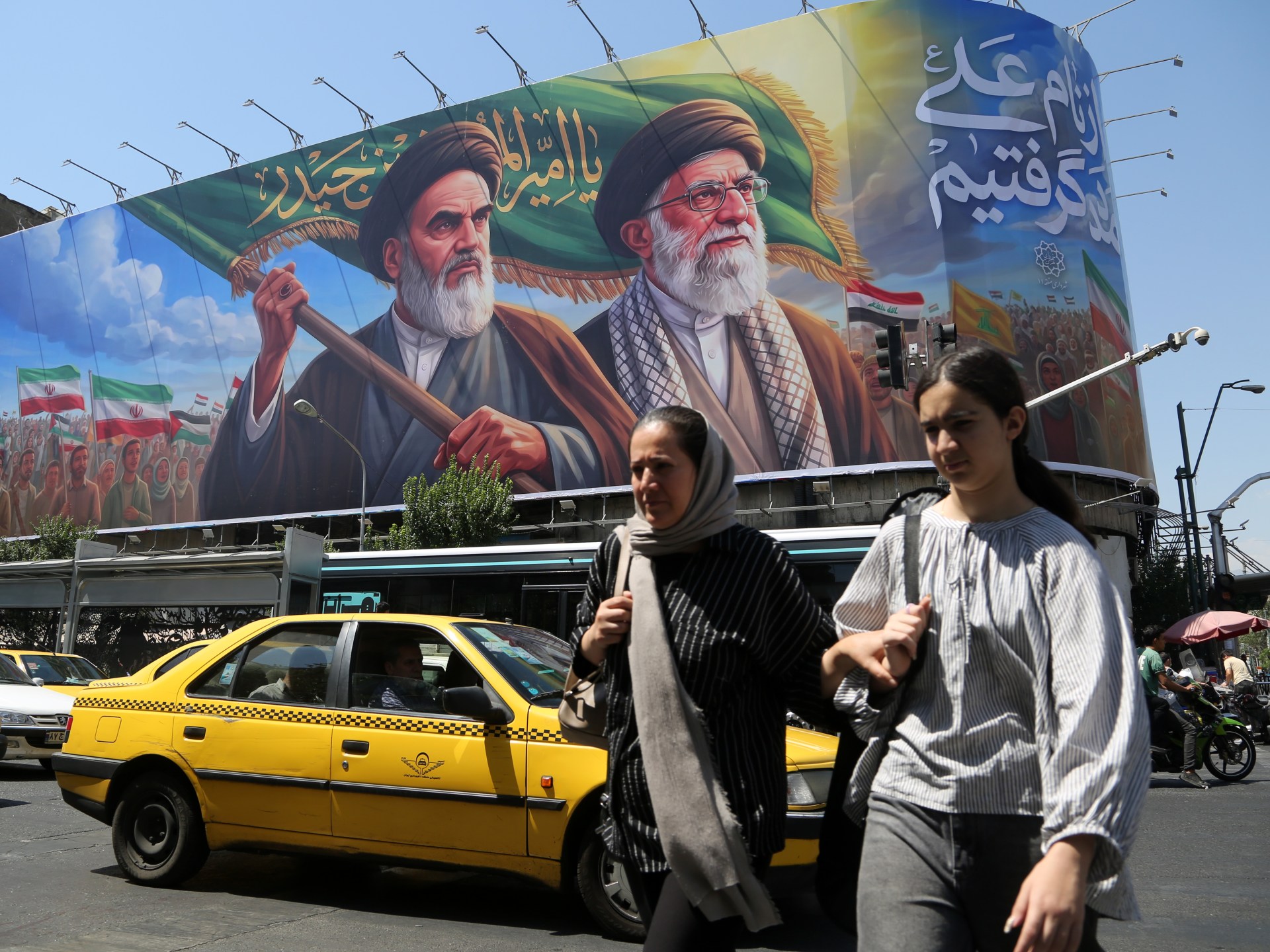
US President Donald Trump said Washington is close to an agreement with Iran, after cancelling planned strikes that could have widened a three-month Gulf war. The claim matters for oil markets and regional security because the talks touch on Iran’s nuclear programme, the Strait of Hormuz and fighting in Lebanon.
Iran confirmed that mediation is under way, but its foreign ministry said no final decision has been made. Analysts cited by Al Jazeera said any near-term document would more likely keep a ceasefire alive and open a longer negotiation, rather than end the conflict outright.
Trump says signing could come soon
Trump wrote on Truth Social on Thursday that talks had reached Iran’s highest leadership and that the United States was calling off strikes scheduled for that evening. His statement came shortly after he had threatened action against Iran’s Kharg Island oil facility, which Al Jazeera reported processes about 90 percent of Iran’s crude exports.
The US president said a signing venue and time would be announced soon, and suggested a ceremony in Europe over the weekend led by Vice President JD Vance. Vance headed direct US-Iran talks in Islamabad in April, when the initial ceasefire was brokered, according to Al Jazeera.
Trump also said the proposed arrangement had been approved in concept and detail by the US, Israel and several regional governments. He said he believed Iran’s Supreme Leader Mojtaba Khamenei had approved it, though Tehran has not confirmed that.
Iran says nothing is final
Iranian foreign ministry spokesperson Esmaeil Baghaei described Washington’s account as speculation, according to Iran’s semi-state Tasnim news agency. He said Iran had not reached a final conclusion and would not retreat from its core positions under pressure.
Baghaei said Qatar and Pakistan remain active as mediators and that Tehran has conveyed its positions to them. He also accused Washington of changing its stance during talks and said US actions had made the Strait of Hormuz less secure.
Wolfgang Pusztai, a defence analyst and former Austrian military official, told Al Jazeera that Trump’s remarks should be read as part of political pressure rather than proof of a completed peace agreement. He said Trump appeared to be speaking to domestic supporters, markets and Iran’s leadership at the same time.
What may be on the table
Trump said any arrangement would bar Iran from developing or buying nuclear weapons. Iranian officials have long said their nuclear programme is civilian, while Al Jazeera reported that Iran has accumulated 440kg of uranium enriched to 60 percent since the US left the 2015 nuclear deal in 2018.
The US president also said a deal would lift the US naval blockade on Iranian ports and reopen the Strait of Hormuz to shipping. Iran has closed the waterway during the war, while allowing some vessels from countries it considers friendly to pass, according to Al Jazeera.
Mehr news agency reported that Iran has circulated a 14-point draft memorandum. The draft seeks an immediate and lasting halt to hostilities on all fronts, including Lebanon, removal of the US naval blockade, sanctions relief on oil sales, release of frozen Iranian assets and a 60-day period for deeper talks.
Mehr said Iran wants missile issues and its support for regional allies excluded from the initial agreement. Israel’s prime minister’s office said Israel is not a party to the emerging memorandum, but said a final deal should address enriched material, enrichment infrastructure, missile production and Iran’s backing for armed groups.
Aniseh Tabrizi of Chatham House told Al Jazeera that both sides may be closer to a memorandum of understanding than a final peace deal. Richard Weitz of the NATO Defense College said the outline sounded phased, with faster steps on Hormuz and harder questions left for later.
This story draws on original reporting from Al Jazeera.