
Trump announces tentative Iran deal as key terms remain unsettled
The proposed accord would halt fighting and reopen Hormuz, but Israel’s role, Iran’s nuclear programme and sanctions relief remain unclear.
By Sofia Marchetti · World Affairs Correspondent
4 min read
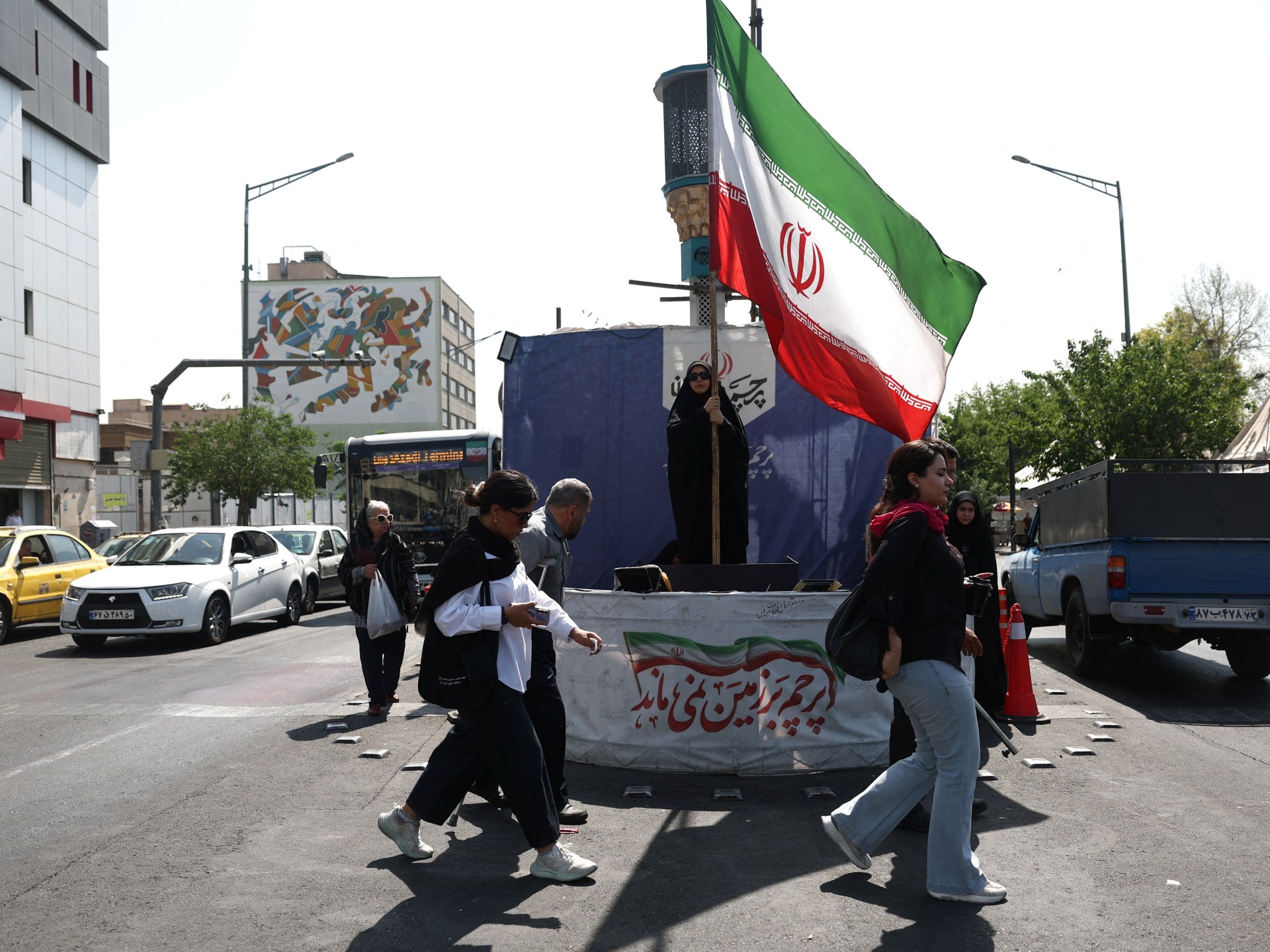
US President Donald Trump said Washington and Tehran have reached a tentative agreement to end more than 100 days of conflict, according to Al Jazeera. The announcement matters for global energy markets and the wider region because the deal is tied to a halt in fighting, the Strait of Hormuz and negotiations over Iran’s nuclear programme.
Pakistani Prime Minister Shehbaz Sharif said a signing ceremony is planned for Friday in Switzerland. Iran’s Supreme National Security Council said the arrangement would stop military operations on all fronts, including Lebanon, and end the naval blockade against Iran.
Kazem Gharibabadi, Iran’s deputy foreign minister for legal and international affairs, said talks toward a final agreement would run for 60 days. The White House has not released the reported 14-point memorandum, and Al Jazeera said details published by Iran’s Mehr news agency had not been independently verified.
Israel and Lebanon remain central concerns
Trump said Israeli Prime Minister Benjamin Netanyahu should be grateful to the United States for securing the deal, according to Al Jazeera. He also criticised Israeli strikes on Beirut’s southern suburbs on Sunday, which he told US media had nearly disrupted the agreement.
Axios reported that Trump sharply rebuked Netanyahu over the Beirut attack and said it delayed the signing by several hours. Iranian officials, according to Al Jazeera, suggested the strike pushed talks forward and helped Tehran secure concessions by not retaliating.
Iran’s Supreme National Security Council said the deal covers Lebanon, where Al Jazeera reported Israel occupies nearly one-fifth of the country’s territory. Israel’s Defence Minister Israel Katz said Monday that Israeli forces would remain in security zones in Lebanon, Syria and Gaza for an unlimited period to protect Israeli communities.
Gideon Levy, a columnist for Haaretz, told Al Jazeera that Lebanon could be the agreement’s biggest test because Israel has not signalled plans to withdraw. Israeli opposition figures and far-right National Security Minister Itamar Ben-Gvir criticised the deal, with Ben-Gvir saying Israel was not a party to an accord he said failed to protect Israeli security.
Nuclear talks move to a 60-day window
Mehr reported that the draft agreement calls for a final settlement on nuclear issues within 60 days. Trump told The New York Times that a final accord would allow Iran to enrich uranium only at levels that could not be used by the military.
Trump said Iran would be permitted to enrich uranium for nonmilitary purposes, according to The New York Times. Al Jazeera reported that Iran is believed to hold about 440kg of uranium enriched to 60 percent, a level short of weapons grade but close enough to make further enrichment faster.
The US president also warned that military action could resume if talks fail, according to Al Jazeera. Mehr reported that issues involving Iran’s missile programme and support for allied groups had been removed from the negotiating agenda, though Al Jazeera said no public details indicated that Hezbollah, the Houthis or allied Iraqi groups would be dismantled under the deal.
Hormuz, sanctions and markets
The Strait of Hormuz is a major part of the proposed accord. Trump said on social media that he authorised the reopening of the waterway and the removal of the US naval blockade, while adding that the first step would be mine removal rather than general commercial traffic.
Mehr reported that the draft calls for reopening the strait, lifting the blockade within 30 days and withdrawing US forces deployed around Iran. Fars news agency reported that Tehran added maritime service fees to the final stage of negotiations, citing an informed source.
Sanctions relief appears likely to be handled in later talks. Mehr reported that the draft includes a suspension of limits on Iranian oil sales and the release of $24bn in frozen Iranian assets during the 60-day negotiating period, while Vice President JD Vance said frozen funds would not be released automatically and would depend on Iranian compliance.
Markets welcomed the announcement Monday, according to Al Jazeera. Brent crude fell about 4 percent to just under $84 a barrel, and US stock futures tied to the S&P 500 and Nasdaq rose roughly 1 percent and 1.6 percent, respectively.
This story draws on original reporting from Al Jazeera.