
Trump allies praise Iran deal as Democrats ask what it contains
Republicans cast the pending Iran memorandum as a win for Trump, while Democrats and former negotiators pressed for details on nuclear and sanctions terms.
By Lucas Ferreira · Science & Environment Writer
4 min read
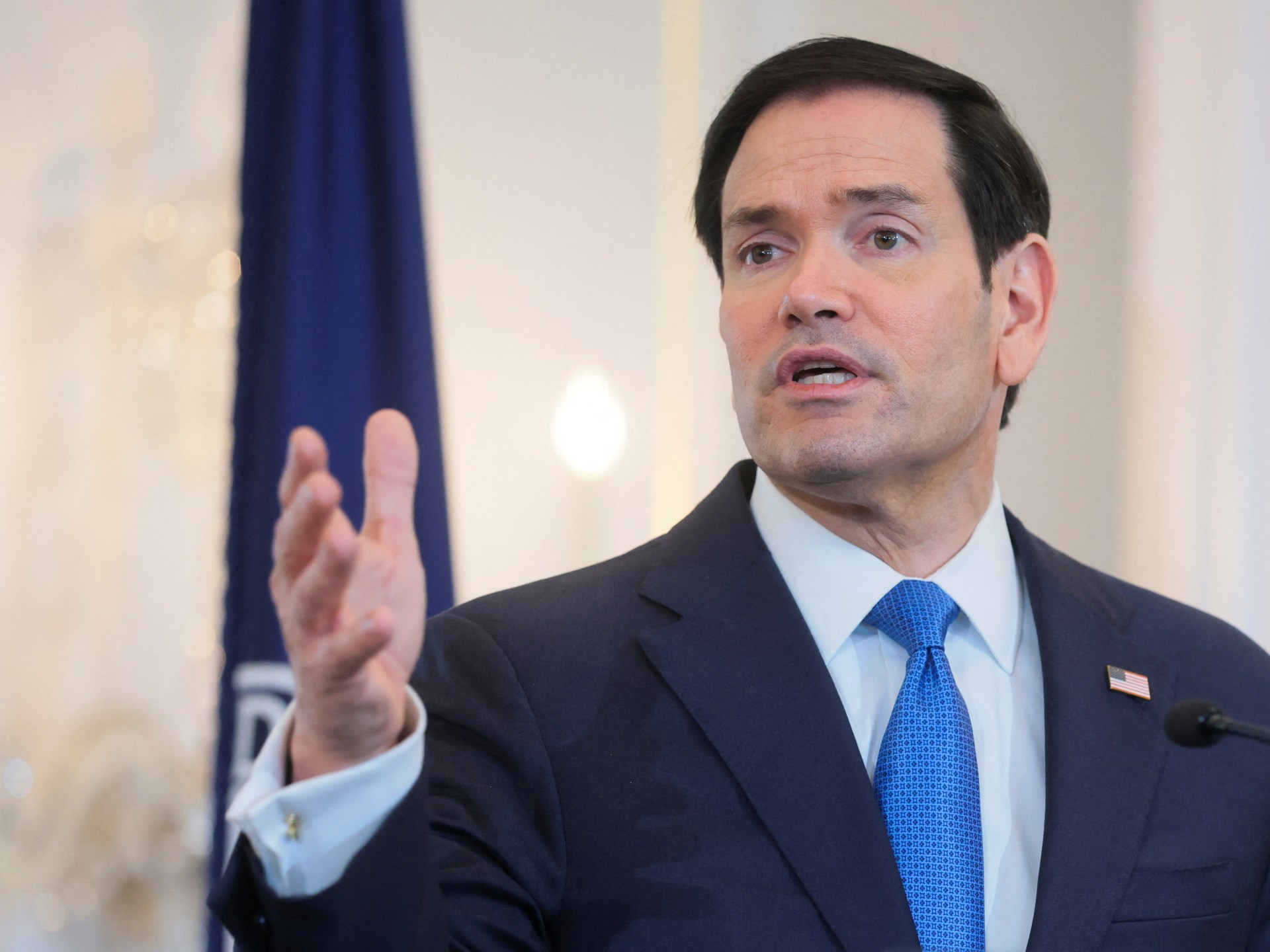
A planned US-Iran memorandum has drawn quick praise from President Donald Trump’s allies while leaving major questions about the terms still unanswered. The agreement is expected to stop fighting and reopen key shipping routes, but Al Jazeera reported that nuclear limits, sanctions relief and control of the Strait of Hormuz may be left for later talks.
Pakistan said a peace deal between the United States and Iran had been reached, Trump said the US blockade of Iranian ports would end, and Iran said the text had been completed ahead of a Friday signing, according to Al Jazeera. The announcement follows months of a US-Israel war on Iran that began on February 28.
Vice President JD Vance told Fox News that Trump had created room to change the Middle East and pointed to lower oil prices after the announcement, according to Al Jazeera. Vance also said, “I think we can safely say, with confidence, that Iran will never have a nuclear weapon.”
Secretary of State Marco Rubio linked the announcement to Trump’s 80th birthday in a post on X, praising the president’s courage, strength, humor and patriotism, Al Jazeera reported. Several Republicans also used social media to describe Trump as a top deal-maker.
Representative Robert Aderholt said the pending accord would impose tougher limits on Iran’s nuclear work than the 2015 Joint Comprehensive Plan of Action, according to Al Jazeera. That Obama-era deal limited Tehran’s nuclear programme in exchange for sanctions relief before Trump withdrew the United States from it in 2018. Iran has long said it is not seeking a nuclear weapon.
Al Jazeera reported, however, that there was no sign the initial memorandum would require immediate nuclear concessions from Tehran. US, Iranian and Pakistani officials said the deal would stop fighting on all fronts, including in Lebanon, reopen traffic through the Strait of Hormuz and lift the US naval blockade of Iranian ports.
Iranian officials have said for days that the first document would start a 60-day negotiating period on its nuclear programme and other unresolved matters, including the future administration of the strait, according to Al Jazeera. US officials have said frozen assets and sanctions relief would not come at once and would depend on commitments after signing.
Calls for details
Senator Lindsey Graham, a longtime supporter of military action against Iran, welcomed the apparent breakthrough but warned on X that Iran and the US negotiating team appeared to be describing the agreement differently, Al Jazeera reported.
Democrats pressed the administration to explain what the United States had gained from the war. Representative Seth Moulton told NS Now that the memorandum looked like “basically a surrender document” from Trump to Iran’s supreme leader, according to Al Jazeera. He cited $100bn in taxpayer spending, 14 American deaths and a deal that he said reopened a strait that had been open before the war.
Representative Gregory Meeks, the top Democrat on the House Foreign Affairs Committee, called Trump’s war “misguided and detrimental to American interests” in a statement cited by Al Jazeera. Meeks said he welcomed diplomacy but said Americans need clear answers, not vague announcements.
The Trump administration had said the war aimed to weaken Iran’s military and destroy its nuclear programme, Al Jazeera reported. Trump and senior officials also said they hoped the conflict would help produce regime change. That did not occur, and Mojtaba Khamenei later succeeded his father, Ali Khamenei, after the supreme leader and dozens of other officials were killed, according to Al Jazeera.
Unresolved issues
Robert Malley, who led negotiations for the 2015 nuclear accord under President Barack Obama, called the expected reopening of the Strait of Hormuz welcome but said on X that the memorandum also underscored the damage caused by the war, Al Jazeera reported. Malley said the hardest issues — Iran’s nuclear programme, enriched uranium and sanctions relief — would likely remain for later.
Sina Toossi, a senior fellow at the Center for International Policy, said on X that the result fell far short of what supporters of the war had sought, according to Al Jazeera. He pointed to the absence of regime change and Iranian capitulation.
The 60-day timetable would run into August, ahead of the November midterm elections, Al Jazeera reported. Trump told The New York Times on Sunday night that he could resume strikes on Iran if no nuclear agreement is reached, and said the United States could become “the guardian of the Middle East” in exchange for 20 percent of the region’s revenue.
This story draws on original reporting from Al Jazeera.