
Thousands still held in Myanmar border scam compounds
A Thai-based rights network urged police to act, saying foreign nationals remain captive in fraud sites near the Thai border.
By Sofia Marchetti · World Affairs Correspondent
2 min read
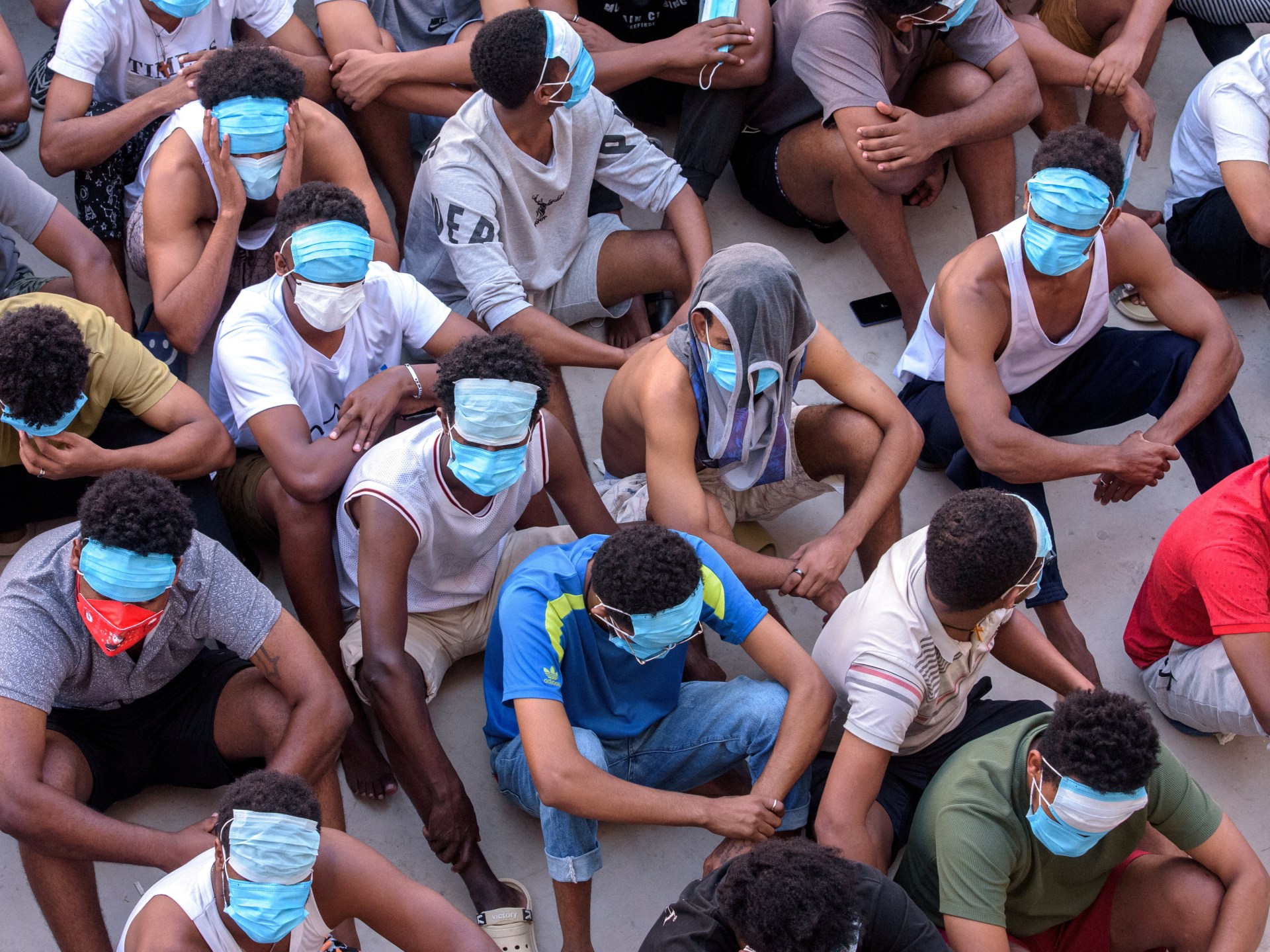
A Thai-based anti-trafficking network says more than 5,300 people are still being held in online scam compounds in Myanmar near the Thai border. The claim points to the limits of a multinational crackdown in 2025 on criminal operations that rights groups and the United Nations say have trafficked workers and defrauded victims worldwide.
The Civil Society Network for Human Trafficking Victim Assistance, or CSNHTV, made the allegation in a letter to Thai police, urging authorities to act. The group said many of those still confined are foreign nationals held at four sites in territory controlled by the Myanmar Democratic Karen Buddhist Army militia.
CSNHTV said its estimate includes about 1,600 Chinese nationals and around 200 people from Myanmar. It also listed people from the Philippines, Taiwan, Malaysia, Brazil, Russia, Kenya, Uganda, Rwanda and Zimbabwe among those believed to be inside the compounds.
The network said some compounds have not been shut down and that rescue operations have not reached all of the people held there. It said the criminal groups behind the sites continue to run online fraud schemes and trafficking operations that harm victims abroad, including in the United States and Europe.
Scam compounds expanded during the pandemic
Online scam centres in parts of Southeast Asia, including Myanmar and Cambodia, have been described by the UN and rights groups as hubs for internet fraud targeting people across borders. The operations expanded during the COVID-19 pandemic, after developing from networks linked to casinos and online gambling, according to the UN.
The UN has said the industry is now worth billions of dollars. Its February report said many workers in the compounds are foreign nationals deceived or trafficked by criminal gangs, then forced to take part in fraud schemes.
The same UN report documented severe abuses inside such facilities, including torture, ill-treatment, sexual abuse and exploitation, forced abortions, food deprivation and solitary confinement. UN human rights chief Volker Turk said victims have often been denied protection, care and legal remedies, and in some cases have faced disbelief, stigma or punishment after escaping or being rescued.
The Myanmar border areas where some scam compounds operate are difficult for authorities to police because of militia control and the country’s wider conflict. CSNHTV’s appeal to Thai police reflects the cross-border nature of the problem, with victims, criminal operators and fraud targets often spread across several countries.
The group did not say in its letter that all compounds in the area are still active, but it warned that people remain unrescued and that the networks continue to operate. Its figures could not be independently verified from the details released.
This story draws on original reporting from Al Jazeera.