
The Polygamist on Netflix becomes a global hit
The Zulu-language drama drew more than 23 million views in its first month as its family scandal story sparked debate in South Africa.
By James Whitfield · Staff Writer
3 min read
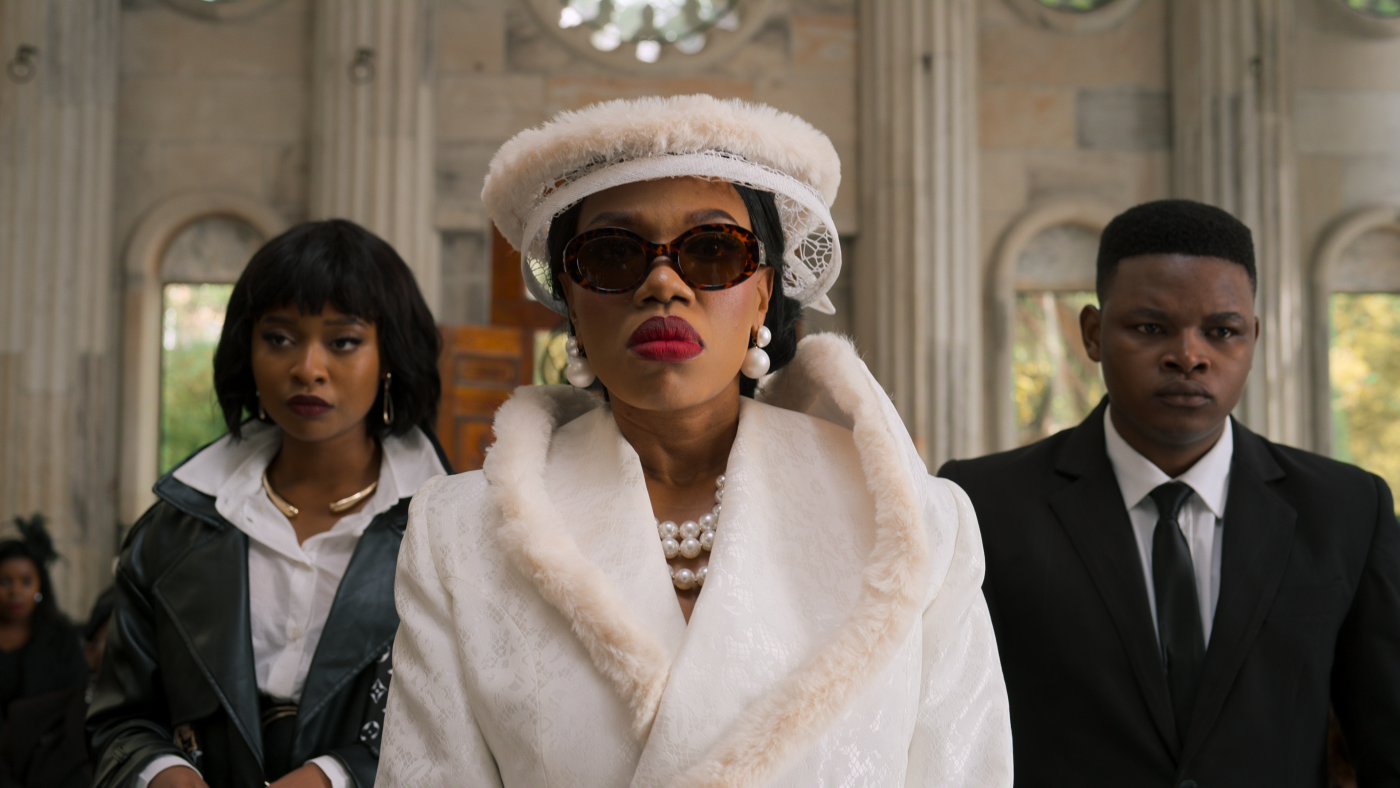
The Polygamist on Netflix has turned a South African family scandal into an international streaming hit, NPR reported. The Zulu-language drama drew more than 23 million views in its first month and reached Netflix’s top 10 in 62 countries, including the United States.
According to NPR, the 22-episode series also reached No. 1 in nearly two dozen countries. The show, set in Johannesburg, follows the wealthy Gomora family as Joyce Gomora tries to preserve the family’s public image while her husband, businessman Jonasi, secretly builds a life with another woman.
The series mixes domestic betrayal, wealth, sex, profanity and melodrama. Its international audience has included viewers in Romania, Hong Kong and the U.S., NPR reported, and former The View host Sherri Shepherd praised the show on Instagram, saying she was “hooked.”
Why is The Polygamist popular on Netflix?
Sue Nyathi, the Zimbabwean author whose book inspired the series, told NPR that the show gives international audiences a version of African life they may not often see on screen: affluent Black families living in expensive homes, wearing designer clothes and moving through elite Johannesburg settings.
Nyathi said the drama also travels well because infidelity and hidden relationships are familiar themes across countries. She told NPR that the story reflects problems viewers recognize in their own societies, even when the setting and language are specifically South African.
Nyathi said the Netflix adaptation has also lifted interest in her novel after a slow start when it was first published. She told NPR that people who do not usually attend book events have been buying the book after watching the series.
What is The Polygamist about?
The Polygamist is about a wealthy husband, his wife and the damage caused by his secret second household. Nyathi told NPR she wrote the book after observing African men shift from traditional, openly acknowledged polygamy toward hidden second families, with serious consequences for women.
Polygamy in South Africa is recognized under traditional law but not under civil law, NPR reported. In its traditional form, the wives know about one another, which differs from the deception at the center of the show.
The series was produced by Gugu Zuma-Ncube and Thuli Zuma, daughters of former South African President Jacob Zuma, whom NPR described as the country’s most prominent polygamist and the husband of four wives. Zuma-Ncube told NPR that growing up in a polygamous family shaped her understanding of the tensions, frustrations and choices involved.
Zuma-Ncube said the show’s international response surprised the producers and could help African storytellers reach wider audiences. She also encouraged viewers to try the original audio with subtitles; NPR reported that the series is primarily in Zulu but also includes English and other South African languages, reflecting the country’s multilingual daily life.
The English dubbed version uses South African voice actors and keeps local expressions, NPR reported. Viewers encounter words such as “haibo,” an exclamation similar to “wow,” and “braaiing,” the South African term for barbecuing.
In South Africa, the show has stirred discussion beyond entertainment. NPR reported that UNAIDS used the character Jonasi in ads promoting safer sex, while a government department in Limpopo province used the series in a campaign against gender-based violence and femicide.
This story draws on original reporting from NPR.