
Telehealth in Zimbabwe expands rural healthcare access
A post office-based telehealth programme has opened 28 centres, helping rural Zimbabweans see doctors by video, Al Jazeera reports.
By Daniel Okafor · Business Editor
3 min read
Telehealth in Zimbabwe is giving rural healthcare patients a closer and cheaper way to reach doctors, according to reporting by Al Jazeera from Nyazura in eastern Zimbabwe. The programme matters in communities where public clinics face shortages and a trip to see a doctor can mean hours of travel and costs many families cannot afford.
Al Jazeera reported that Anymore Kadzunge, a 38-year-old farmer from Chimbondi village, walked 14km to a telehealth centre in Nyazura after three months of chest pain and dizziness. A nurse checked her blood pressure, connected her to a doctor by video, and she was diagnosed with hypertension and prescribed daily medicine.
Kadzunge told Al Jazeera that her blood pressure was “extremely high” before she spoke with the doctor online. She said her health improved within days after starting treatment.
How does telehealth work in rural Zimbabwe?
The programme places digital health access points in rural areas, including post office infrastructure, so patients can consult doctors by video after basic checks by a nurse. Telehealth cannot perform every service of a hospital, but it can support screening, routine care, follow-up visits and referrals for serious cases.
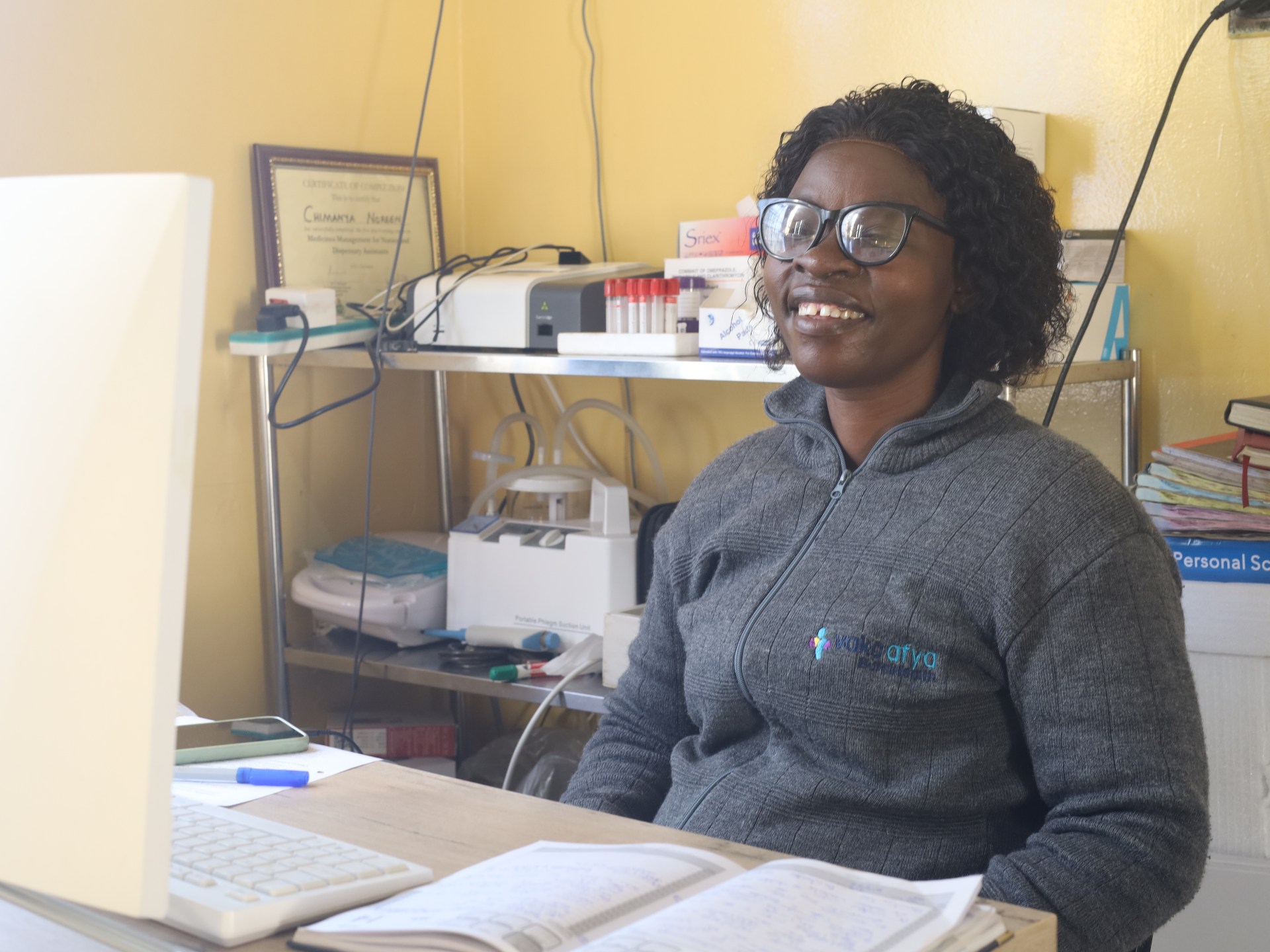
At the Nyazura centre, registered nurse Noreen Chimanya records vital signs such as blood pressure, blood sugar and temperature before arranging video appointments with doctors, Al Jazeera reported. She also gives prescribed treatment and sends patients to hospitals when they need more advanced care.
The service was launched in 2024 by ZimSmart Villages, a Zimbabwean technology and innovation organisation, with NetOne, the state-owned telecoms company, and Zimbabwe Posts, the state-owned postal and courier service. The Nyazura centre uses Starlink satellite internet from SpaceX and a backup lithium battery to keep consultations running during power outages, according to Al Jazeera.
The need is tied to Zimbabwe’s shortage of medical workers. The World Health Organization said Zimbabwe had 1.7 doctors per 10,000 people in 2022, below the African average of 2.6.
Why patients are using the centres
For many rural patients, the alternative is a long and costly journey. Al Jazeera reported that without the Nyazura centre, Kadzunge would have had to travel 22km to Rusape or 70km to Mutare, the capital of Manicaland province.
ZimSmart Villages said that by 2026 it had set up 28 telehealth centres in seven of Zimbabwe’s 10 provinces. The organisation said the centres had handled more than 28,000 virtual consultations and about 25,000 diagnostic tests.
Tawanda Njerere, ZimSmart Villages’ co-founder and chief operations officer, told Al Jazeera the model is meant to avoid forcing rural patients to travel 50km or more to urban health facilities. Consultations at the centres cost between $2 and $10, compared with $15 to $20 at many private clinics, according to Al Jazeera.
Al Jazeera also reported the case of Proud Chimene, a vendor from Chimene village, who visited the Nyazura centre in July 2024 after weight loss, severe thirst and fatigue. A nurse found her blood glucose was high, she consulted a doctor by video, received an intravenous drip, and was diagnosed with diabetes.
Chimene told Al Jazeera she might not have sought treatment if the nearby centre had not offered access to a doctor at an affordable price.
What limits remain?
ZimSmart Villages said the centres aim to catch illnesses earlier and help patients manage chronic conditions such as hypertension and diabetes through digital records and follow-up consultations. Al Jazeera reported that centres have also diagnosed sexually transmitted infections and referred patients for specialised care.
The programme still has limits. Njerere told Al Jazeera that specialist services, including eye care, mental health and complex chronic disease management, remain constrained across Zimbabwe, even as the programme works with eye-care providers and specialist networks.
Trust is another obstacle in communities unfamiliar with video consultations. Chimanya told Al Jazeera that residents initially expected to see doctors face to face, and that she spent months visiting villages to explain how the system worked.
This story draws on original reporting from Al Jazeera.