
Taiz housing crisis pushes families into sniper-risk front-line homes
Al Jazeera reports soaring rents and war damage are driving Taiz families into cheap homes near front lines, where sniper fire has hit civilians.
By James Whitfield · Staff Writer
4 min read
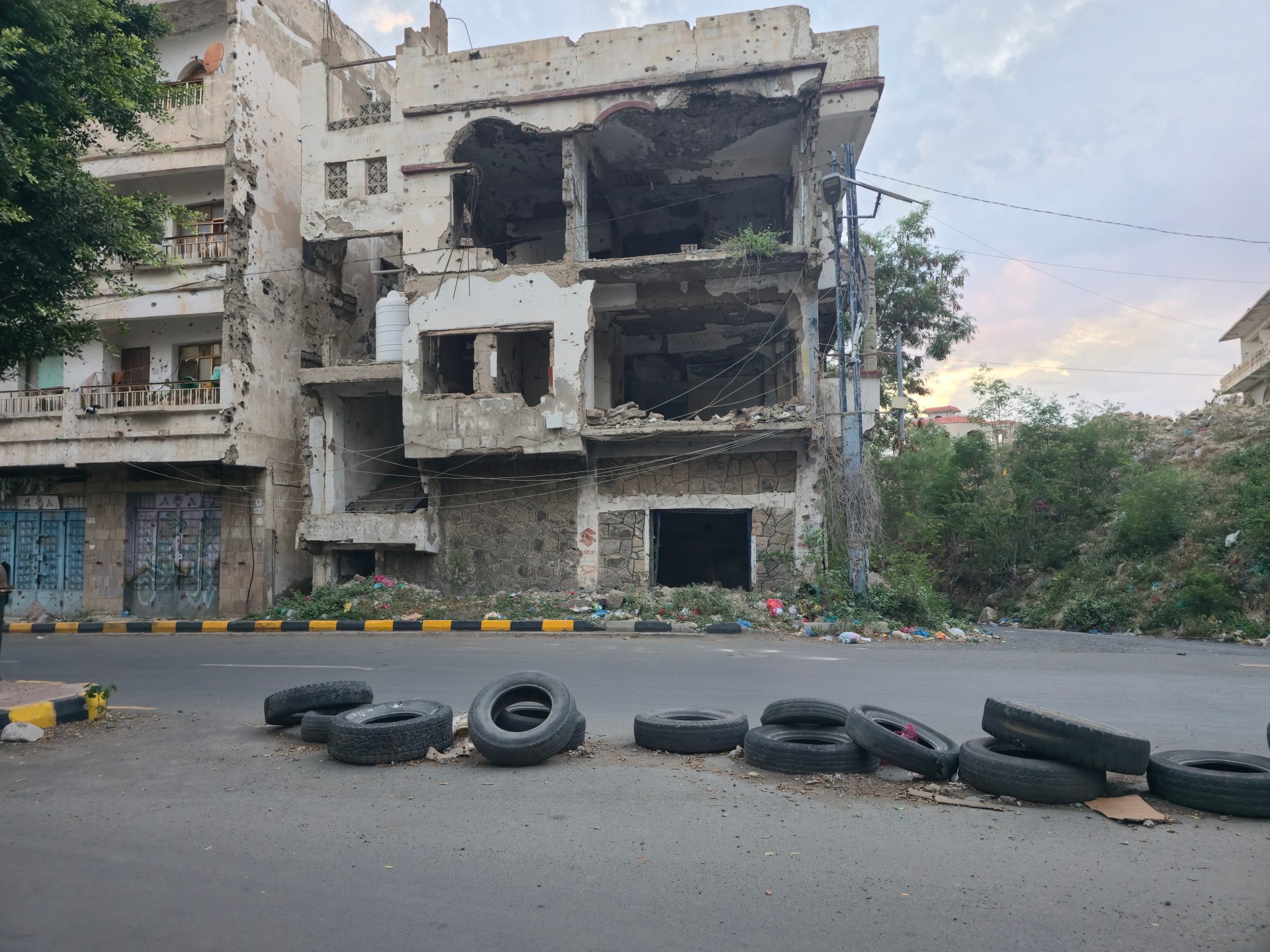
The Taiz housing crisis is forcing some residents into damaged, low-cost homes close to the front line, Al Jazeera reported from the Yemeni city. The choice can cut rent sharply, but it leaves families exposed to gunfire in one of Yemen’s most dangerous urban front-line areas.
Al Jazeera reported that Taiz has been quieter in recent years amid a wider de-escalation in Yemen’s war, but parts of the city still sit between Yemeni government forces and Houthi rebels. Wrecked buildings remain along those lines after more than a decade of fighting.
What is driving the Taiz housing crisis?
Housing demand has collided with war damage, displacement and poverty, according to officials and residents cited by Al Jazeera. Khalid Alwan, director of the local statistics office, said Taiz governorate has almost 4.5 million people and more than 400,000 internally displaced residents.
Alwan told Al Jazeera that more than 10,000 homes in Taiz were fully or partly damaged by the conflict, with additional properties still uncounted because officials could not reach them. He said repairs are too costly for many residents, including people whose homes are in safer districts.
The pressure has pushed some families toward front-line housing because it is far cheaper. Al Jazeera reported that a three-bedroom house in Taiz typically costs about $130 a month, while one single mother using the pseudonym Um Yousef found a home near the front line for about $13.
Um Yousef, a woman in her 40s with four children, moved there in January 2025 after months of searching, Al Jazeera reported. Her husband had died years earlier while working abroad, leaving her as the family’s sole earner.
Two months after the move, her 11-year-old son came home from playing outside bleeding from the mouth after being shot, according to Al Jazeera. He was taken to hospital, treated and discharged the next day.
Why are front-line homes in Taiz so dangerous?
Taiz’s front line is unusual in Yemen because it runs through an urban area, Al Jazeera reported. The city’s hills and a mountain overlooking it create positions from which snipers can target civilians.
A United Nations monitoring project found that Taiz accounted for 66 percent of Yemen’s civilian casualties from sniper shootings last year, according to Al Jazeera. The project recorded 21 such cases, including nine involving children.
Um Yousef told Al Jazeera she did not hear gunfire when her son was hit and still does not know exactly what happened. Since then, she said she has learned precautions used by neighbours, including turning off lights in rooms visible from afar and keeping children from playing in exposed areas.
Who is living in these homes?
Some residents stay near the front line because they cannot pay rent elsewhere. Mohammed Saeed, 53, told Al Jazeera he has lived in Taiz’s al-Thawrah neighbourhood since 2023, guarding a house in exchange for staying there without rent.
Mohammed, who is unemployed, said gunfire is often heard at night and that his children have become used to it, according to Al Jazeera. He said a renewed escalation could trap residents in crossfire and that he hopes to find work so he can move to a safer home.
Others have chosen not to return to homes they own. Khalid Abdulhadi, a 46-year-old accountant, told Al Jazeera he left his house in the al-Kamb neighbourhood during heavy fighting in 2018 and continues to rent elsewhere because returning would be too dangerous.
Khalid said he lets an impoverished family stay in his house free of charge while they guard it, according to Al Jazeera. He also said one former neighbour returned to the area and lost a son to sniper fire.
Some repairs are under way, but they cover only part of the need. The Nahda Makers Organisation has repaired 2,389 houses across Taiz, Lahj, Hodeidah, Aden and Abyan governorates, most of them in Taiz, Al Jazeera reported.
Al Jazeera said those projects have helped some families return to safer areas, but the wider displacement problem remains severe. An estimated 4.8 million displaced people across Yemen are still unable to go home.
This story draws on original reporting from Al Jazeera.