
Syrian monastery blends Christian and Sufi traditions north of Damascus
Deir Mar Musa, a sixth-century hilltop monastery, is drawing notice for interfaith worship and a rare mulberry tree in its dry valley.
By Daniel Okafor · Business Editor
2 min read
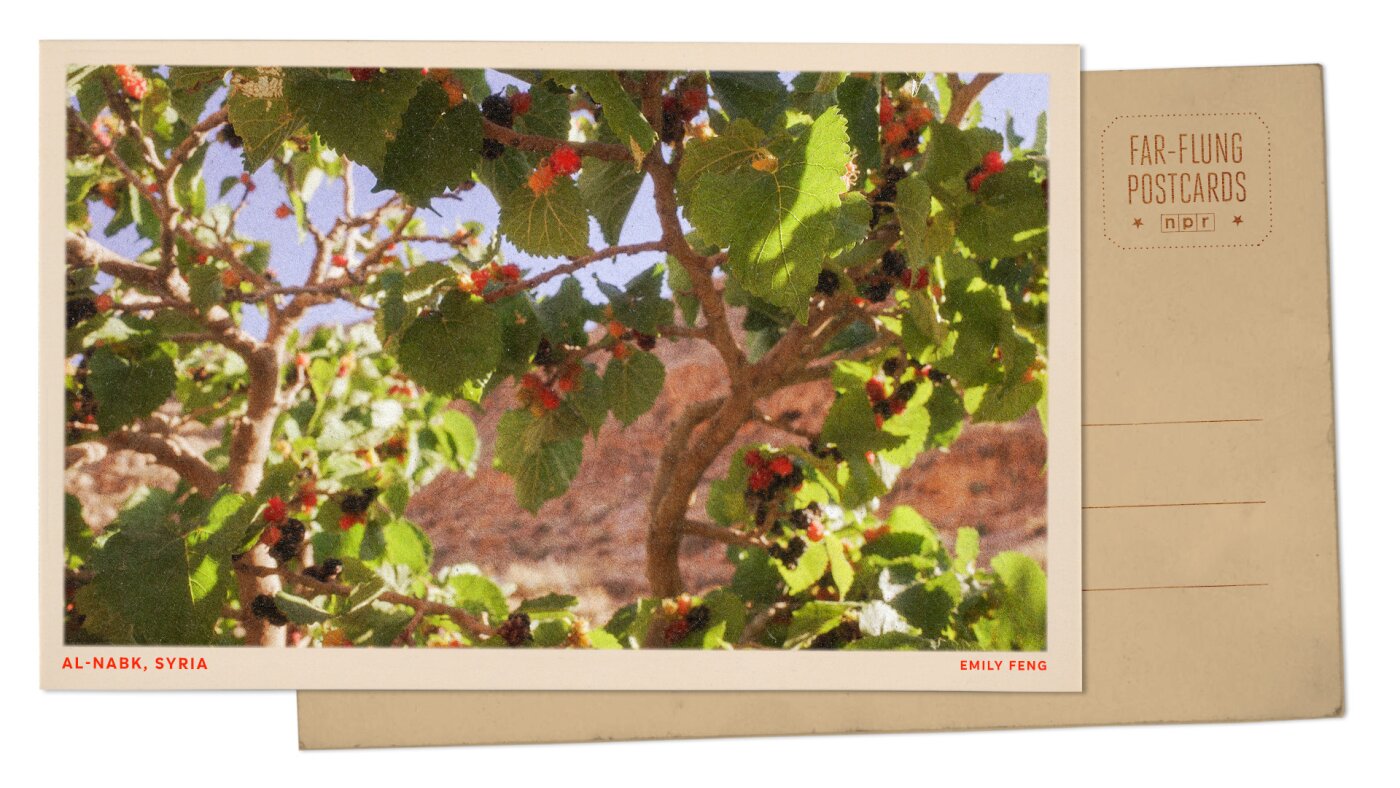
Deir Mar Musa, a monastery about 60 miles north of Damascus, is continuing an interfaith religious practice that draws on Christian and Sufi traditions, according to NPR. The sixth-century hilltop site has also become the setting for a vivid account of life returning in a dry Syrian valley.
NPR's Emily Feng reported visiting the monastery this summer after being drawn by its history: a major restoration led by an Italian priest, his later disappearance and presumed death during Syria's civil war, and the ongoing work of the monks and nuns who remained there. The monastery is described by NPR as a place where religious practice crosses formal boundaries without losing its Christian identity.
The site, known as Deir Mar Musa, sits in rugged terrain north of the Syrian capital. Feng reported finding a mulberry tree in a rocky valley behind the monastery, with branches carrying ripe fruit despite the arid surroundings.
Her account centered on the contrast between the dry landscape and the abundance of the tree. She described eating the berries and later attending prayers at the monastery after washing away most of the dark juice from her hands.
Prayer service draws from several traditions
The evening prayers were led by Father Jihad Youssef, the monastery's current religious leader, NPR reported. The candlelit service included biblical readings and elements associated with Eastern Orthodox Christian worship and Sufi practice.
That blend reflects the monastery's broader reputation for interfaith engagement. NPR described the continuing work of its monks and nuns as part of the reason the site has drawn attention beyond Syria's Christian communities.
The earlier restoration of Deir Mar Musa under the Italian priest helped revive the monastery, according to NPR. The priest later disappeared during the Syrian civil war and is presumed to have died, a history that remains closely tied to the monastery's modern identity.
Feng wrote that she is not religious, but said the service, the building and the fruit prompted a moment of private gratitude. Her report presented the monastery as both a religious site and a place where Syria's layered traditions remain visible after years of war.
NPR published the dispatch as part of its Far-Flung Postcards series, which features short reported scenes from international locations. The Syria postcard focused less on politics than on a monastery where worship, memory and a fruit tree converge in one remote setting.
This story draws on original reporting from NPR.