
Syria regains voting rights at chemical weapons watchdog
The OPCW said Syria’s new authorities have made progress with inspectors after years of disputes over the country’s chemical weapons declarations.
By Sofia Marchetti · World Affairs Correspondent
2 min read
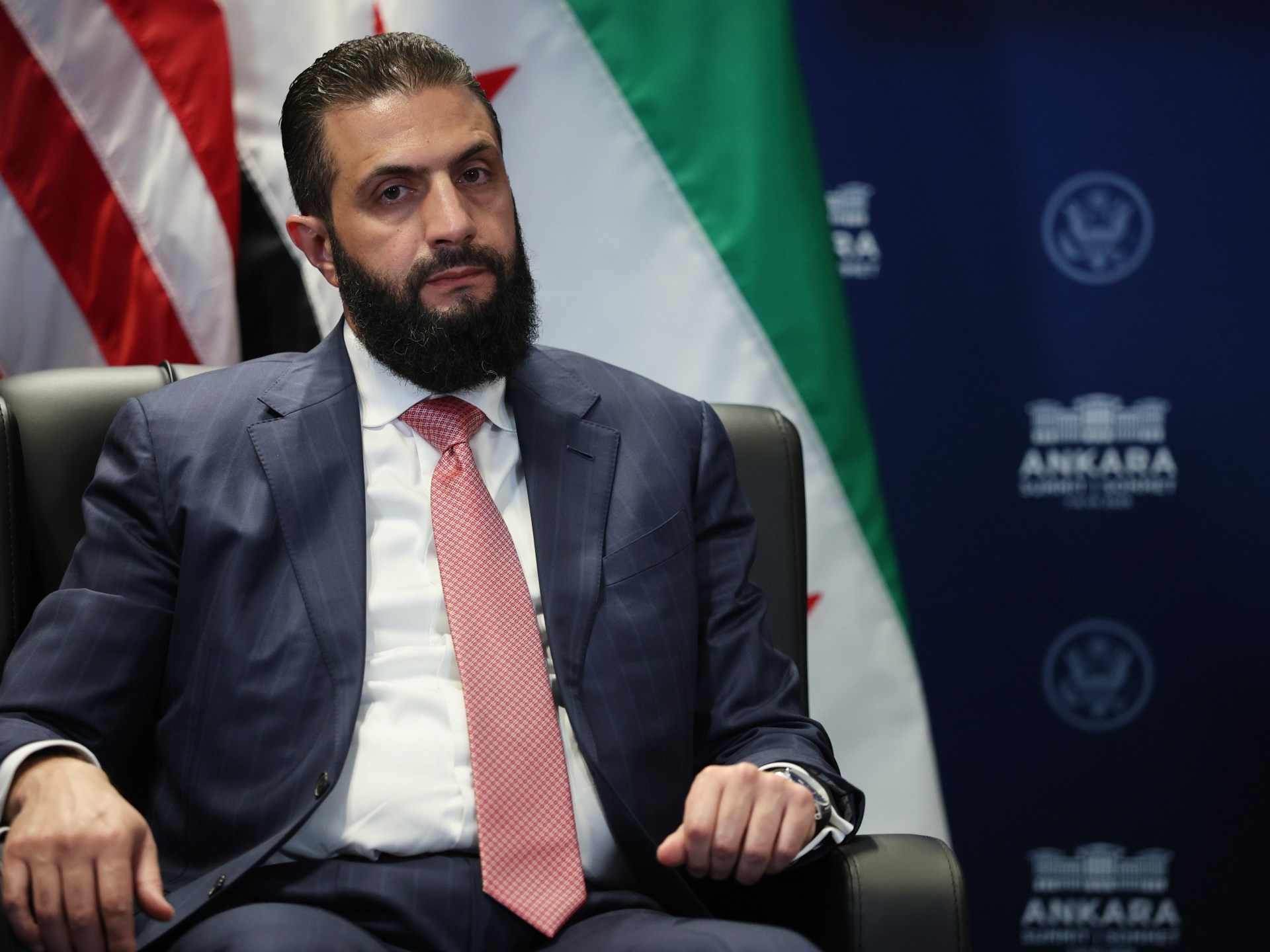
The Organisation for the Prohibition of Chemical Weapons has restored Syria’s voting rights, citing new cooperation from Damascus after the fall of Bashar al-Assad. The decision reverses a 2021 suspension tied to Syria’s failure to fully disclose its chemical weapons programme and to the use of poison gas during the civil war, according to the watchdog.
In a statement on Thursday, the OPCW said conditions had changed significantly since the suspension. It said the new Syrian authorities had pledged to meet the country’s duties under the Chemical Weapons Convention and had begun working with the organisation’s Technical Secretariat.
The watchdog said President Ahmed al-Sharaa’s government had allowed verification work and had started destroying identified remnants. OPCW Director-General Fernando Arias said the decisions reflected progress made through cooperation between Syria, the Technical Secretariat and other member states.
The move gives Syria back a formal role inside the organisation after years of pressure over what inspectors described as gaps and falsehoods in the former government’s declarations. According to the OPCW, Damascus submitted an initial account of its chemical weapons programme after joining the watchdog, but the former government did not disclose the full programme and tried to mislead inspectors about its size and scope.
Years of scrutiny over Syria’s weapons programme
Syria joined the OPCW in 2013 and accepted international supervision of the destruction of its chemical weapons, according to the watchdog. At the time, Syria was believed to hold about 1,000 tonnes of toxic agents and agreed to eliminate them under a Russian-US plan aimed at preventing a US military strike.
That agreement followed international outrage over a suspected chemical attack in Ghouta, an eastern suburb of Damascus, in 2013. US intelligence estimated that at least 1,400 people were killed, including 426 children, and said it had high confidence that the Syrian government was responsible.
Al-Assad denied involvement in the Ghouta attack and accused rebels of carrying it out. The dispute became one of the central points of international scrutiny of Syria’s conduct during the war.
The OPCW later suspended Syria’s voting rights in 2021. The watchdog said that action followed the former government’s failure to account for the full chemical weapons programme and the repeated use of poison gas during the conflict.
The latest OPCW decision rests on the conduct of Syria’s post-Assad authorities, not on a finding that all outstanding questions have been resolved. The organisation said Damascus has taken early steps toward cooperation and destruction of identified remnants, while the inspection process continues under the Chemical Weapons Convention.
This story draws on original reporting from Al Jazeera.