
Hormuz shipping falters as US-Iran truce comes under strain
Attacks on vessels and renewed US-Iran strikes have put traffic through the Strait of Hormuz back in doubt weeks after a June 17 accord.
By Sofia Marchetti · World Affairs Correspondent
3 min read
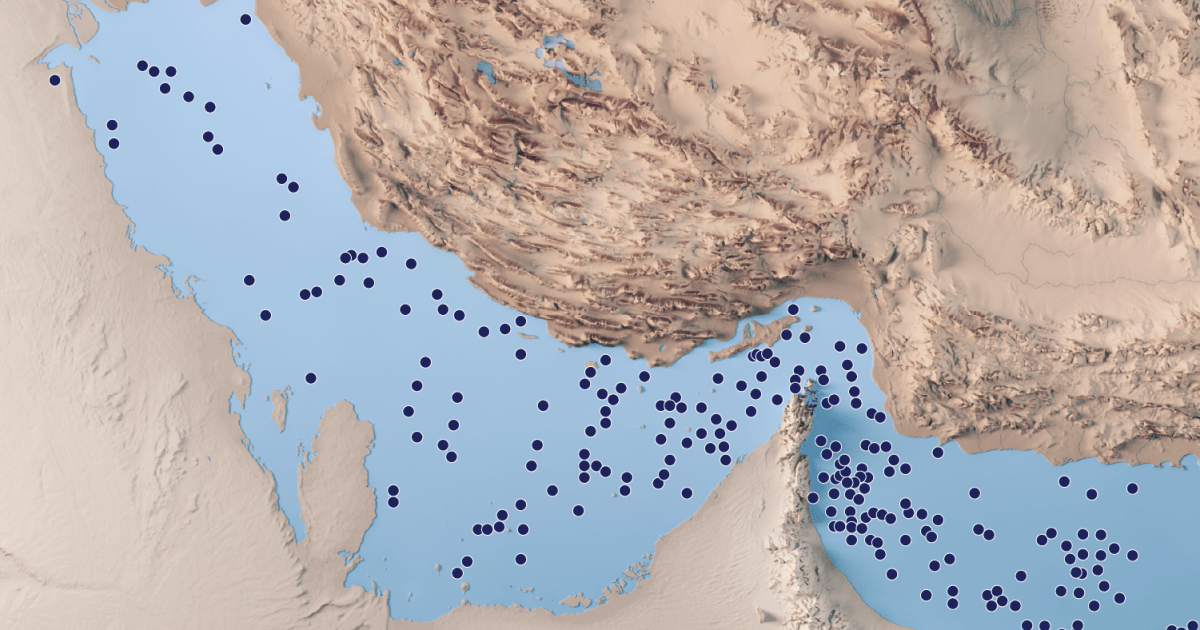
Commercial shipping through the Strait of Hormuz has again come under pressure after a series of vessel attacks and renewed strikes between the United States and Iran. Al Jazeera reported that the flare-up threatens a waterway that carries a major share of the world’s oil and petroleum products.
The latest escalation follows a June 17 memorandum of understanding between Washington and Tehran that was meant to end their war and restore movement through the strait, according to Al Jazeera. US President Donald Trump has said he believes the truce is “over,” while Tehran has again threatened to close the strait.
Five commercial vessels attacked since June 17
Al Jazeera reported that at least five commercial ships have been attacked in or near the Strait of Hormuz since the ceasefire. Iran accused some vessels of trying to pass without its approval, while the United States responded with strikes on Iranian territory, including coastal cities and Tehran, according to the report.
On June 25, the Singapore-flagged container ship Ever Lovely was hit by a projectile southeast of Oman’s port of Dahit, Al Jazeera reported. No injuries were reported, and the ship continued its journey.
Two days later, the Panama-flagged tanker Kiku was struck while carrying more than 2 million barrels of crude oil. US Central Command described the strike as a one-way attack drone, according to Al Jazeera, which reported that the crew was unharmed and no oil spilled.
Three more vessels were attacked on July 6 and 7, Al Jazeera reported. They were the Qatari LNG tanker Al Rekayyat, which suffered an engine-room fire; the Saudi-flagged supertanker Wedyan, which was damaged while carrying crude; and the Liberian-flagged M/T Cyprus Prosperity.
Traffic remains far below pre-war levels
The Strait of Hormuz is about 33km, or 21 miles, wide at its narrowest point and links the Gulf to open seas, according to Al Jazeera. Before the war, about 20 million barrels of oil and petroleum products moved through it each day, roughly one-fifth of global oil consumption.
Al Jazeera reported that before the conflict, about 100 ships passed through the strait daily, about half of them oil tankers. Iran effectively closed the waterway after a US-Israeli bombing campaign began on February 28, and the United States later imposed a naval blockade on Iranian ports, according to the report.
After the June 17 agreement, traffic resumed but stayed limited. PortWatch data cited by Al Jazeera showed 513 ships transited the strait from June 18 through July 5, an average of 28 ships per day.
The International Maritime Organization said about 6,000 seafarers remain stranded in the Gulf. Many are aboard vessels that cannot safely pass through the strait after months of conflict and repeated attacks on commercial shipping, according to the IMO.
Route dispute adds to tensions
Al Jazeera reported that many vessels are avoiding pre-war routes because of concerns about naval mines. Ships have instead used two corridors, one through Iranian waters and one through Omani waters under US oversight, while the central area of the strait remains largely unused.
Iran’s Islamic Revolutionary Guard Corps says vessels must use routes approved by Tehran and has warned that ships failing to follow its instructions could be attacked, according to Al Jazeera. Iran also says it plans to introduce transit fees after a 60-day transition period.
The United States and many shipping companies say Hormuz is an international waterway where transit should remain free, Al Jazeera reported. Trump has called any fees “unacceptable.”
This story draws on original reporting from Al Jazeera.