
Sweden tightens migration rules as residents face new risks
New asylum and reporting rules are reshaping life for migrants in Sweden, with lawyers warning that legal status may become harder to keep.
By Lucas Ferreira · Science & Environment Writer
3 min read
Sweden is bringing in a set of tougher migration rules this summer that lawyers and affected residents say could make legal status harder to obtain and easier to lose. Al Jazeera reported that the changes are already disrupting people who had built lives in the country while waiting for residency decisions.
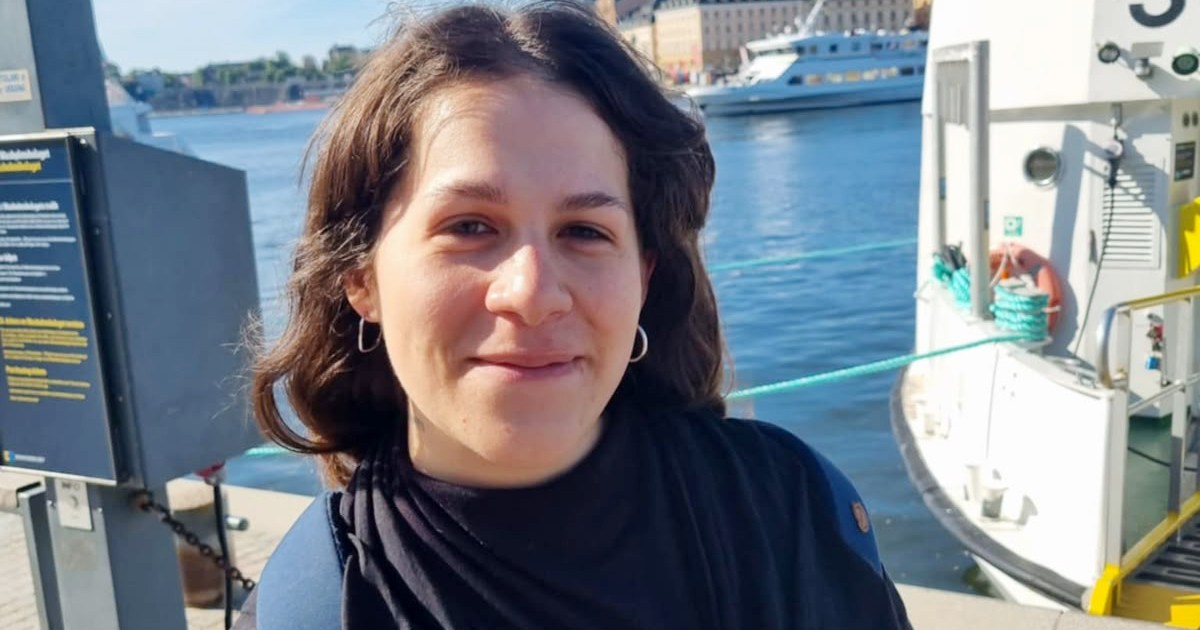
One case is Raquel Viveira, a 31-year-old Brazilian who had been living in Malmo with her partner. According to Al Jazeera, she received a deportation order from Sweden’s migration agency after months of waiting for permanent residency.
Viveira told Al Jazeera the agency said her case was affected because she had shifted between two cohabiting partner visas after an earlier relationship ended. She had completed Swedish for Immigrants classes, could speak Swedish, had registered as a sole trader and paid taxes, but booked a flight out after being told to leave within days.
“I did nothing wrong,” Viveira told Al Jazeera from Sao Paulo, where she is applying again to return to Sweden. Al Jazeera reported that a video she posted about the case on Instagram has drawn nearly 300,000 views, and that she said other migrants, including spouses of Swedes and white-collar workers, have contacted her after losing status.
Three migration changes arrive in weeks
Al Jazeera reported that Sweden received about 10,000 people a week in 2015, many fleeing wars in Syria, Afghanistan and Iraq. Annual asylum applications have since fallen from 163,000 to about 9,000, according to the outlet.
The country is now implementing three major changes in quick succession. Al Jazeera reported that Sweden chose the strictest available options under the European Union’s new Migration and Asylum Pact, which took effect on June 12.
A Swedish law due to take effect on July 12 will limit all new asylum seekers to temporary residence permits, ending a route to permanent status that had been central to Sweden’s earlier integration model, according to Al Jazeera. A separate measure scheduled for July 13, described as an informer law, will require six state agencies, including the tax authority and social services, to report suspected undocumented people to police.
Sofia Ronnow Pessah, an asylum rights lawyer and policy adviser at RFSL Ungdom, told Al Jazeera that the changes mark “a new Sweden” after the summer. She said some people will feel they must constantly watch how the rules may affect daily life.
Undocumented families fear reporting rules
Al Jazeera also reported on Leili Mehtarabbasi, a 70-year-old Iranian woman who has lived in Sweden without legal status for nearly 26 years. Her son, Ali Reza Roudaki, told the outlet that the family’s long effort to secure her status now feels “like Mission Impossible.”
According to Al Jazeera, Mehtarabbasi arrived in Sweden on a visitor visa in 2000 to support her sister after their father died. Her sons later received residency under a 2009 measure for undocumented migrants with work records, but Mehtarabbasi was not included and remained without status.
Roudaki told Al Jazeera that his mother, who survived breast cancer while undocumented and now has a case pending in migration court, cares for his four-year-old daughter after his wife died of cancer last year. He said the family sees no option but to wait.
Political pressure has shifted policy
Al Jazeera reported that Sweden has tightened migration policy since a 2022 election brought in a centre-right government reliant on the Sweden Democrats, a party with far-right roots. The outlet also reported that a new revocation rule tied to “behaviour” could allow residence permits to be withdrawn for conduct short of criminal prosecution, which Pessah described as vaguely defined.
A proposed family reunification measure would require income of about 53,000 kronor, or $5,500, a month for a person with two children seeking to bring a spouse to Sweden, according to Al Jazeera. Pessah told the outlet that the effects of recent laws may only become clear years later, as earlier rule changes are now producing deportation cases involving young people raised in Sweden.
This story draws on original reporting from Al Jazeera.