
Supreme Court lets ExxonMobil pursue Cuba property seizure suit
The 6-3 ruling says Cuban state-owned firms cannot use sovereign immunity to block ExxonMobil’s Helms-Burton Act claim in US courts.
By Lucas Ferreira · Science & Environment Writer
3 min read
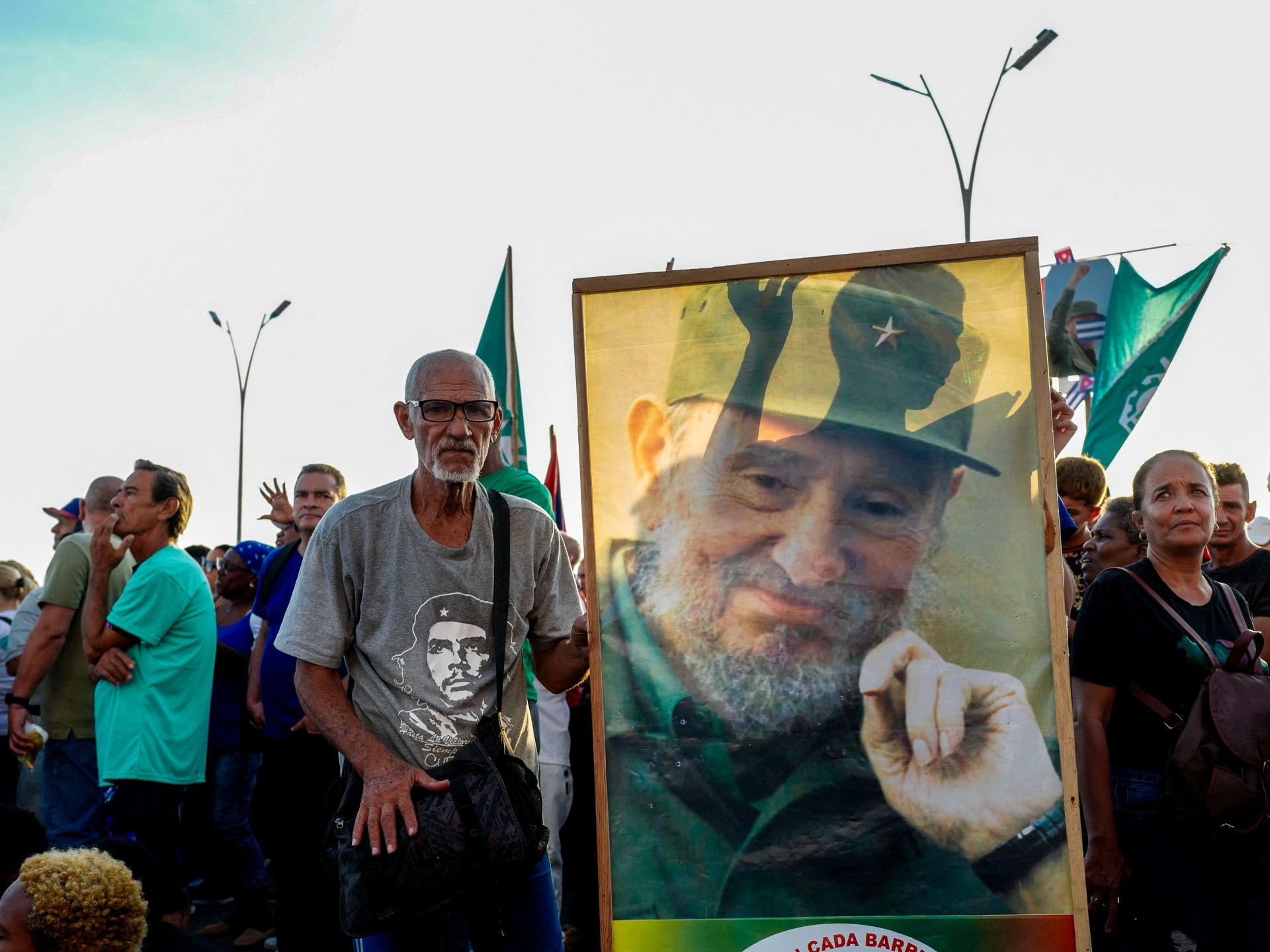
The US Supreme Court ruled Tuesday that ExxonMobil may pursue a lawsuit in American courts against Cuban state-owned companies over property seized after Fidel Castro came to power. The decision matters because it strengthens a legal path for US claimants seeking compensation for assets taken by Cuba’s Communist government more than 65 years ago.
In a 6-3 ruling, the court reversed a lower-court decision that had found Cuban state-owned entities immune from the suit, according to reporting by The Associated Press and Reuters. The case focused on whether the 1996 Helms-Burton Act overrides protections that usually limit lawsuits in US courts against foreign governments and their agencies.
Justice Brett Kavanaugh wrote the majority opinion, joined by the court’s five other conservative justices. He said the law removes “the sovereign immunity of Cuban agencies and instrumentalities” in the type of private lawsuit brought by ExxonMobil against Corporacion CIMEX, a Cuban state-owned company.
Kavanaugh wrote that Helms-Burton permits private claims against Cuban agencies and instrumentalities, and that such cases would otherwise be difficult to bring under the Foreign Sovereign Immunities Act of 1976. That law generally bars suits against foreign states and their arms unless a specific exception applies.
Dissent warned immunity was not clearly removed
Justice Elena Kagan dissented, joined by the court’s two other liberal justices. Kagan said the plaintiffs should have to prove that their case falls outside the Foreign Sovereign Immunities Act.
In her dissent, Kagan wrote that neither the wording nor the structure of Helms-Burton shows that Congress removed sovereign immunity for these defendants with the clear statement required by law. The disagreement put the court’s focus on how directly Congress must speak when authorizing lawsuits against foreign state-owned businesses.
ExxonMobil is seeking payment for assets once held by subsidiaries of Standard Oil, its predecessor company. According to AP and Reuters, those assets included more than 100 service stations and an oil refinery in Cuba.
The US Foreign Claims Settlement Commission, part of the Justice Department, valued ExxonMobil’s confiscated Cuban property at $71.6 million in 1969, with 6 percent annual interest beginning in 1960. AP and Reuters reported that the claim would be worth about $3 billion today before treble damages.
Part of a broader Helms-Burton fight
The ruling was the Supreme Court’s second recent decision favoring US owners of property confiscated in Cuba. Last month, the court revived claims by a US company that operated docks in Havana against four cruise lines that carried tourists to Cuba during the period of improved US-Cuba relations under former President Barack Obama, according to AP and Reuters.
Both cases involve the same section of Helms-Burton, known as Title III. Congress enacted the law after the 1996 downing of civilian planes flown by Miami-based Cuban exiles, AP and Reuters reported.
Title III allows Americans to sue many companies that conduct commercial activity involving property confiscated by Cuba’s government or benefit from it. Before President Donald Trump’s first administration, US presidents had suspended that provision because of objections from US allies with business ties to Cuba and concerns about future settlements between Washington and Havana.
Trump lifted the suspension in 2019, and ExxonMobil filed its case against CIMEX the same day, according to AP and Reuters. The news agencies reported that the latest Supreme Court outcomes could give Trump’s current administration another way to pressure Cuba, which is already facing a US oil embargo.
The Foreign Claims Settlement Commission also found that nearly 6,000 people and businesses had Cuban property claims worth $1.9 billion before interest or damages, AP and Reuters reported.
This story draws on original reporting from Al Jazeera.