
UN maritime agency begins Strait of Hormuz sailor evacuation
The IMO says it has safety assurances for a phased operation after a US-Iran memorandum opened the way for traffic through the key waterway.
By Lucas Ferreira · Science & Environment Writer
3 min read
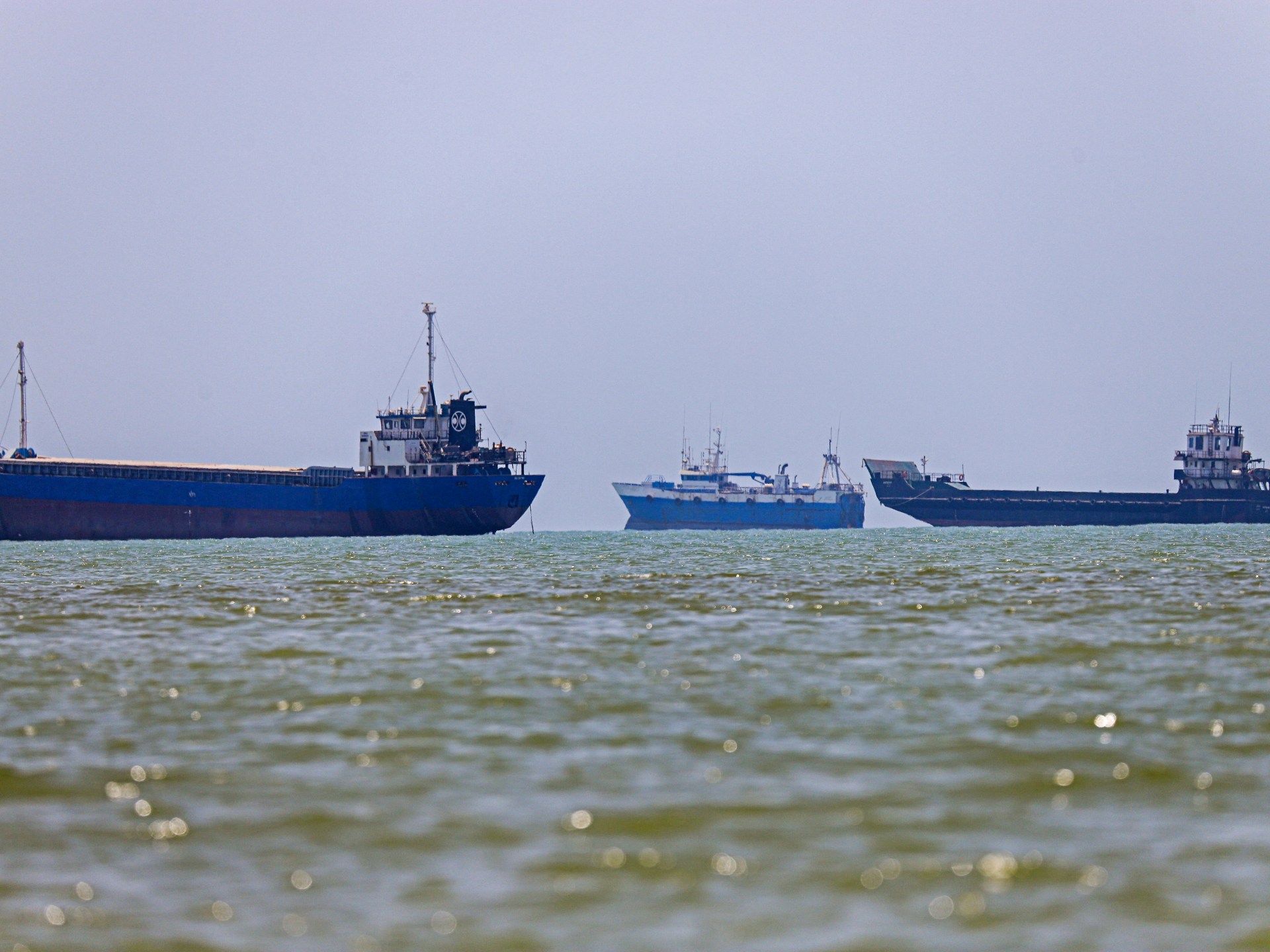
The United Nations maritime agency has begun moving more than 11,000 stranded sailors out of the Strait of Hormuz, a step aimed at easing a months-long shipping crisis in one of the world’s key waterways. The International Maritime Organization said the operation follows a memorandum of understanding between the United States and Iran to end the US-Israel war on Iran.
IMO Secretary-General Arsenio Dominguez said Tuesday that the evacuation is being organized with Iran, Oman, other coastal states, the United States and maritime industry groups. He said the agency had obtained safety assurances and checked conditions needed for ships to move safely during the operation.
The strait had been effectively shut by Tehran after the war began on February 28, according to Al Jazeera, leaving vessels and crews stuck in the waterway. The agreement signed last week has coincided with an increase in ship movements through the area.
Shipping intelligence firm Kpler said at least 36 commercial vessels transited the Strait of Hormuz on Monday. Al Jazeera reported that this was the highest daily level since the war began.
Evacuation planned in stages
Oman’s Defence Ministry said the IMO plan will proceed in phases. The ministry said the approach was needed because collision risks remain high while traffic begins moving again.
The ministry said the evacuation plan has been under discussion for months. It described the process as gradual and controlled, rather than a rapid reopening of all vessel traffic at once.
Denmark said Tuesday it will take part in an international maritime mission led by France and Britain to help reopen the waterway, according to Al Jazeera. The report did not give further details on Denmark’s role in the mission.
Al Jazeera correspondent Tohid Asadi, reporting from the Strait of Hormuz, said talks between Washington and Tehran over a peace deal had improved. He cited a joint statement from Oman and Iran saying the two sides were discussing ways to restart trade through the strait.
Asadi said that was a positive sign, but he also cautioned that the timing of a fuller reopening remained unclear. He reported that hundreds of ships were still waiting on both sides of Hormuz.
Dispute over future rules
US Secretary of State Marco Rubio arrived in the United Arab Emirates on Tuesday and said Iran would not be permitted to impose tolls in the strait as part of any final agreement with Washington. Rubio said the Strait of Hormuz is an international waterway and that countries are not allowed to charge fees for passage through it.
Rubio added that he believed countries in the region would share that position. His remarks pointed to unresolved issues over how the waterway will operate after the immediate evacuation and reopening efforts.
Iran’s lead negotiator, Mohammad Bagher Ghalibaf, had earlier said the Strait of Hormuz would not go back to its pre-war arrangement, according to Al Jazeera. The report said the two sides had agreed to establish communication lines intended to keep the strait open.
The Strait of Hormuz remains crowded with ships that were caught in the shutdown. The IMO-led evacuation marks the first major effort reported by Al Jazeera to remove stranded crews while governments work on rules for restoring commercial traffic.
This story draws on original reporting from Al Jazeera.