
Maternity wards reopen in Sudan’s capital after wartime closures
Hospitals in Khartoum state are handling more births again, but families and staff still face high costs, drug shortages and long journeys.
By Sofia Marchetti · World Affairs Correspondent
3 min read
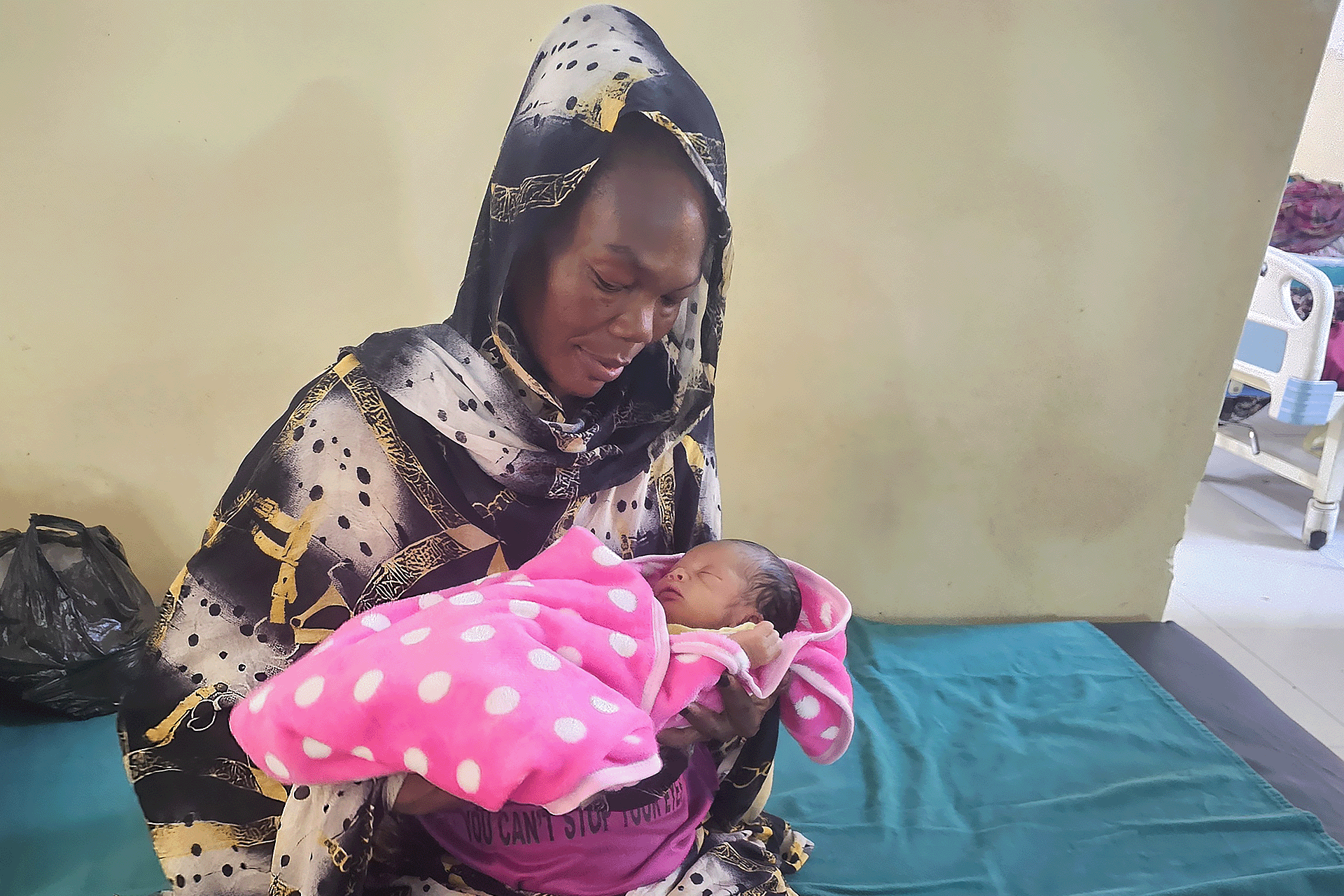
Maternity services are returning in Sudan’s capital area after wartime shutdowns forced many women into unsafe deliveries or long trips for care, Al Jazeera reported. The reopening of wards in Omdurman, Khartoum and Bahri has brought more women back into hospitals, though families still face steep costs, medicine shortages and strained facilities.
In Omdurman, the city’s maternity hospital, known locally as Al-Dayat, has resumed work after a prolonged closure linked to the fighting between the Sudanese armed forces and the Rapid Support Forces, according to Al Jazeera. Mothers are again arriving there to give birth in formal wards after years of disrupted health services.
Al-Toma Jabara, from East Nile, gave birth to her daughter Doaa at Omdurman Maternity Hospital, Al Jazeera reported. Jabara told the broadcaster that the war separated her from her husband for two years and left her unable to conceive during that period.
She said her family lived through bombardment and clashes, and described the baby’s birth as a new start after years marked by fear and hardship, according to Al Jazeera.
Hospitals see births rise
A Khartoum State Ministry of Health official, who was not named, told Al Jazeera that the closure of specialist maternity hospitals during the conflict pushed many women toward home births or forced them to travel long distances. The official said complications and deaths among mothers and infants rose during the war because of those closures.
The same official said rates of complications are now falling gradually as services return. According to the official, the health ministry has repaired and reopened 15 maternity wards across the capital, including Al-Dayat and the Saudi Hospital.
Hospitals in the capital are now recording about 7,000 deliveries a month, the official told Al Jazeera. Emad Abdullah, director of Omdurman Maternity Hospital, said the facility received only one or two cases a day when it first reopened but now handles about 60 births daily.
Abdullah said the hospital includes a caesarean section unit, an intensive care unit and a neonatal department with about 140 incubators. Al Jazeera reported that the neonatal department is the largest of its kind in Sudan.
Costs and shortages remain
At Bahri Hospital, Fatima Abdel Rahman, a mother from Al Jazirah state, told Al Jazeera that reaching care in the capital was tiring and expensive. She said her family spent a large share of its income on transport and temporary lodging near the hospital so doctors could monitor her after delivery.
Abdel Rahman also said shortages of medicine forced her to buy basic drugs from private pharmacies at high prices. Even so, she told Al Jazeera that the reopened maternity ward gave her a sense of safety after fearing during the war that she could die for lack of medical care.
Delivery costs vary sharply by hospital type, according to Al Jazeera. In government hospitals, a natural birth costs about 130,000 Sudanese pounds, or $216, while a C-section costs about 400,000 pounds, or $666. In private hospitals, a natural birth costs about 500,000 pounds, or $813, and C-sections range from 600,000 to 800,000 pounds, or $999 to $1,322.
Al Jazeera reported that patients from areas such as Al Jazirah and Kordofan still face difficult travel and high transport costs despite reopened wards in Khartoum, Omdurman and Bahri. Hospitals also face shortages of basic drugs, crowded emergency rooms, a lack of doctors and nurses after wartime departures, and equipment that needs regular maintenance.
Amira Othman Abdel Majeed, an infection control officer at Bahri Hospital, told Al Jazeera the war brought severe shortages of supplies, electricity and water. She said staff worked under heavy psychological pressure because they feared losing mothers and babies during treatment.
Abdel Majeed said the return of maternity services after what she called the liberation of Khartoum has changed conditions for staff and patients. She described the continued care as a sign that the capital’s health system is beginning to recover, according to Al Jazeera.
This story draws on original reporting from Al Jazeera.