
Sudan’s el-Obeid faces RSF pressure as UN warns of catastrophe
About 500,000 people are trapped in the North Kordofan capital as drone attacks and fighting threaten a new urban battle, the UN says.
By Sofia Marchetti · World Affairs Correspondent
3 min read
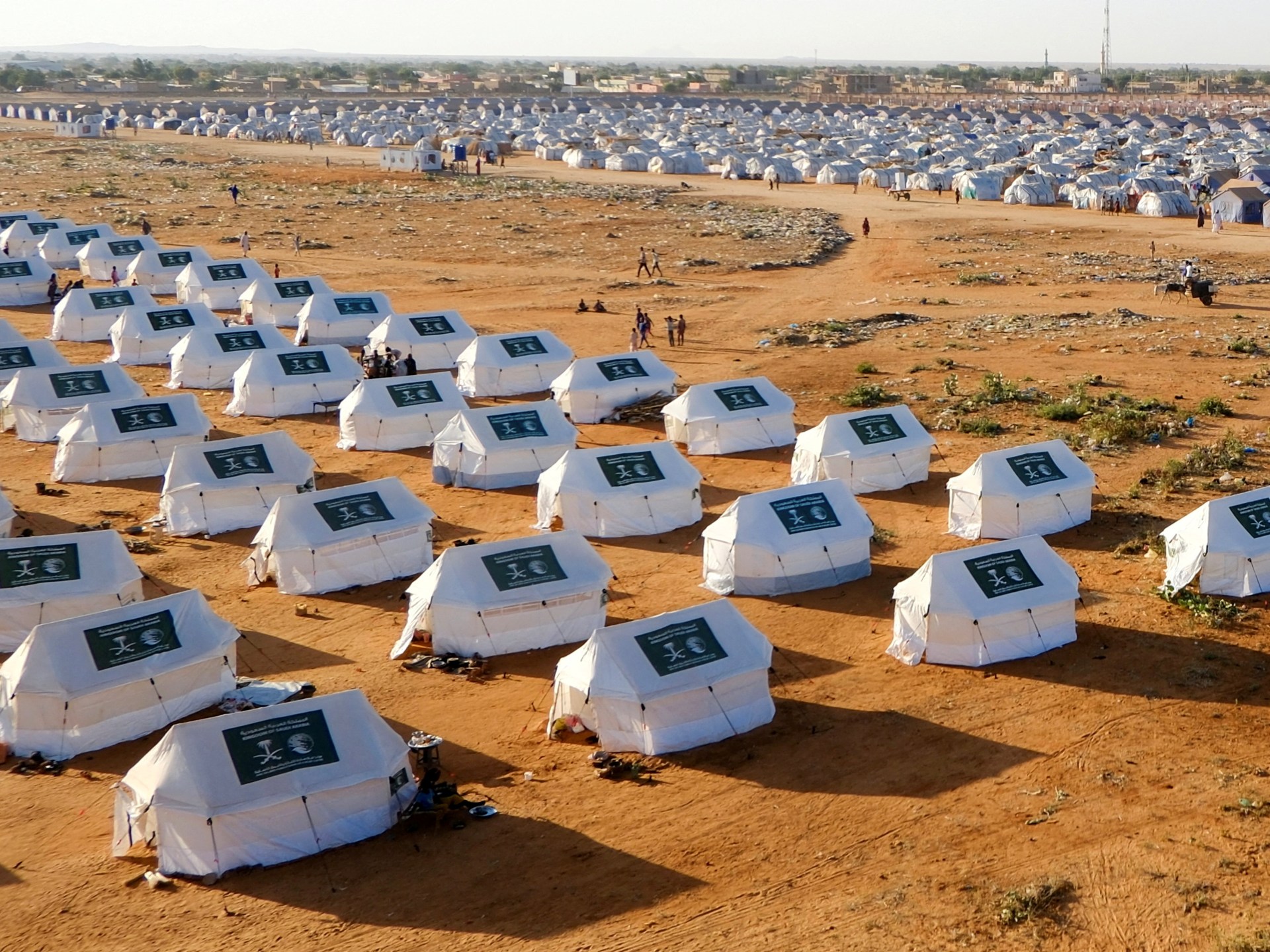
Sudan’s city of el-Obeid is facing a growing threat from the Rapid Support Forces, with about 500,000 people caught inside, according to Al Jazeera and UN officials. The city matters because it sits on a key route between RSF-held Darfur and army-controlled areas in the east, making it a major prize in Sudan’s three-year civil war.
The Office of the UN High Commissioner for Human Rights has warned that el-Obeid could be heading toward a humanitarian catastrophe as the RSF and Sudanese military contest the area. Al Jazeera reported that the city, the capital of North Kordofan state, includes about 105,000 displaced people among those unable to leave.
Drone attacks strain the city
UN High Commissioner for Human Rights Volker Turk said on Friday that el-Obeid had faced relentless drone attacks by advancing paramilitary forces. He told the UN Human Rights Council that civilians had endured siege-like conditions for 18 months while the Sudanese Armed Forces and RSF fought for control around the city.
Al Jazeera reported that strikes have damaged much of the city’s infrastructure. Attacks on a power station have caused blackouts, affected water supplies and made it harder for hospitals to function, while the Yale Humanitarian Research Lab said el-Obeid is facing electricity and fuel shortages.
An international coalition warned last week that el-Obeid faced serious risks of atrocities. In a statement delivered by Norway for the Coalition for Atrocity Prevention and Justice for Sudan, the group said 10 straight days of drone strikes had killed at least 50 civilians in el-Obeid and North Kordofan and damaged civilian infrastructure.
The coalition includes the United Kingdom, Canada, France, Germany, Ireland, the Netherlands and Sierra Leone, and said 21 other countries joined its warning. The statement also cited credible reports of ethnically targeted violence, including sexual and gender-based violence.
Why control of el-Obeid matters
Al Jazeera reported that el-Obeid links Darfur, Kordofan and central Sudan, and serves as a route for people, goods and supplies. The city also hosts the army’s 5th Infantry Division, an airbase, an oil pipeline and a major Arabic gum market.
Independent Sudan analyst Ahmed Ben Omer told Al Jazeera that RSF control of el-Obeid would reshape the war by connecting broad areas under its influence and helping it rebuild politically after losing Khartoum. Al Jazeera reported that the RSF was pushed out of the capital in March 2025.
Sudan’s war began in April 2023, when the RSF attacked Khartoum, according to Al Jazeera. The conflict then spread across the country, killing tens of thousands and creating the world’s largest displacement crisis, with more than 14 million refugees or internally displaced people.
Fears after el-Fasher
The pressure on el-Obeid follows the RSF takeover of el-Fasher, the capital of North Darfur state, after an 18-month siege, according to Al Jazeera. Amnesty International said last week that massacres in el-Fasher amounted to ethnic cleansing, while an independent UN mission said in February that the assault bore the hallmarks of genocide.
Al Jazeera reported that thousands of civilians were killed in el-Fasher after Sudanese army forces withdrew. Amnesty International had accused the RSF of crimes against humanity there after survivors described sexual violence, targeted killings, torture, detention and the denial of food, water and aid.
Leena Badri, a nonresident fellow at the Tahrir Institute for Middle East Policy, told Al Jazeera that el-Obeid differs from el-Fasher because drones are creating siege conditions without a full encirclement. She said food prices in el-Obeid have risen by as much as 300 percent, water prices have doubled and aid access has narrowed because of insecurity.
Ben Omer told Al Jazeera that pressure from international actors could still help prevent a wider disaster. He cited the United States, Egypt, Saudi Arabia and the UN Security Council as actors with financial, political, diplomatic or legal tools that could affect the course of events.
This story draws on original reporting from Al Jazeera.