
Starmer to quit as U.K. prime minister after Labour revolt
Keir Starmer said he will leave office within weeks, setting up another change at the top of British government after pressure from Labour lawmakers.
By Daniel Okafor · Business Editor
3 min read
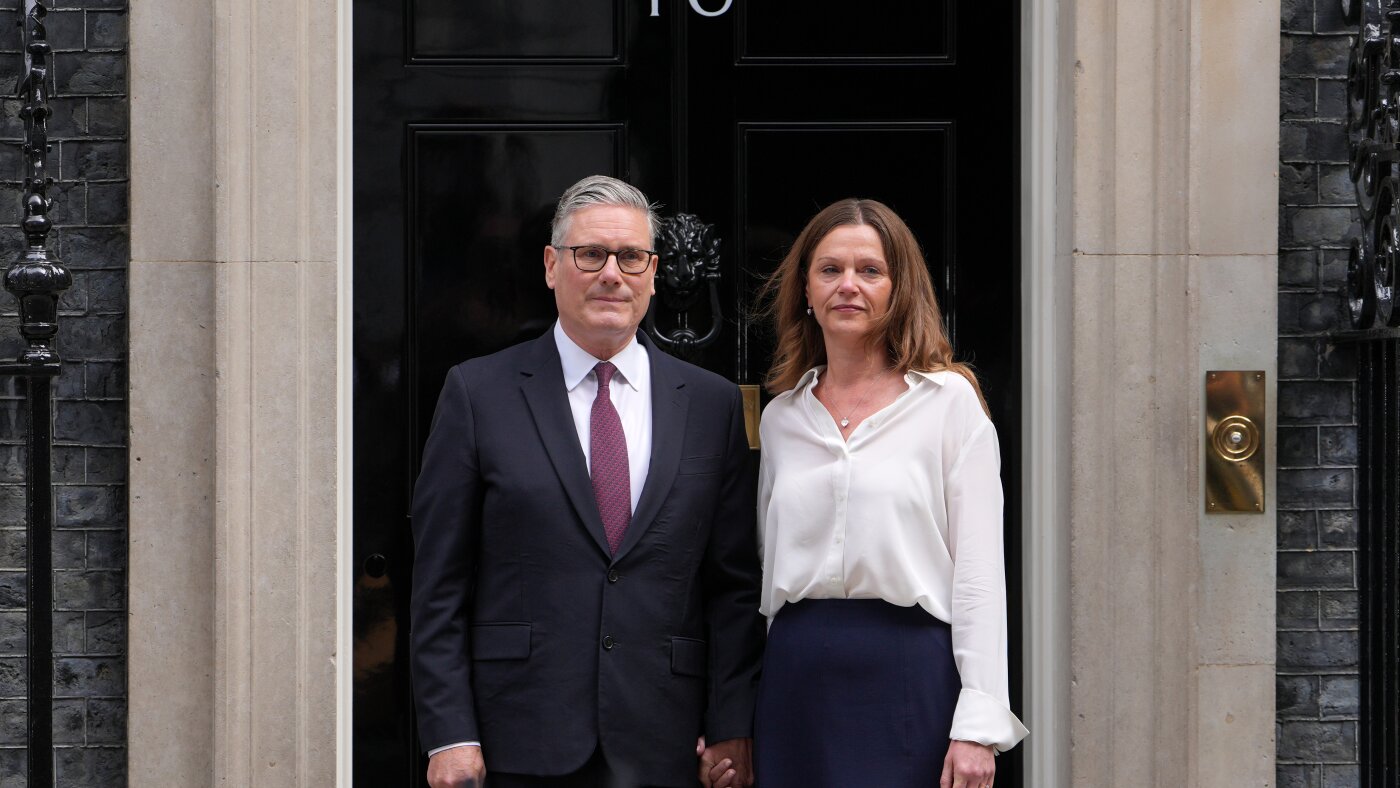
British Prime Minister Keir Starmer said Monday he will resign as leader of the Labour Party and leave office within weeks, according to The Associated Press. The decision opens the way for another change in Downing Street less than two years after Labour won power in a decisive 2024 election.
Starmer said he would stay on as caretaker prime minister while Labour chooses a new leader, the AP reported. Speaking outside 10 Downing Street, he said his party had answered whether he was the right person to lead Labour into the next general election, and that he accepted the decision.
The AP reported that Starmer’s departure followed mounting pressure from Labour lawmakers who want a new leader to try to halt the government’s slide in public support. Labour’s poll standing has fallen since its July 2024 victory, while Starmer’s own ratings have also dropped, according to the AP.
Burnham’s return to Parliament shifted the race
The immediate trigger was Andy Burnham’s win in a special election last week, the AP reported. Burnham, a former mayor of Greater Manchester, ran for a seat in Parliament with the intention of challenging Starmer for the party leadership and, with it, the premiership.
Burnham was due to be sworn in as a member of Parliament on Monday, according to the AP. It remained unclear whether he would take the Labour leadership without opposition or face a contest.
Wes Streeting, who quit as health secretary last month in protest over Starmer’s leadership, has said he would run if Labour holds a leadership race, the AP reported. Many Labour lawmakers have lined up behind Burnham, while others have criticized the move against Starmer.
London Labour lawmaker Neil Coyle wrote on X that Starmer had faced “an utter stitch-up” and warned that a new leader would not be able to quickly change pressures tied to Donald Trump, Iran, Ukraine, Vladimir Putin, Elon Musk or media bias, according to the AP.
Domestic problems weakened Starmer
The AP reported that Starmer struggled to meet pledges on economic growth, public services and the cost of living. The government also faced criticism over Starmer’s choice of Peter Mandelson, described by the AP as a scandal-tarnished friend of Jeffrey Epstein, to serve as Britain’s ambassador to the United States.
Labour has been losing support on multiple fronts, according to the AP. Liberal voters have moved toward the Green Party, while Reform UK, the anti-immigration party led by Nigel Farage, has been leading national opinion polls.
Starmer’s announcement came one day before the 10th anniversary of Britain’s vote to leave the European Union, the AP noted. The AP reported that the 2016 Brexit referendum continues to unsettle British politics and the economy.
U.S. President Donald Trump commented before Starmer’s announcement, writing on his social media platform that Starmer had failed on immigration and energy and saying he wished him well, according to the AP. The AP reported that it was unclear whether Trump was reacting to media reports and that the two leaders had not spoken over the weekend.
The AP reported that Starmer had received stronger reviews for foreign policy than for domestic governing, including his work to build European backing for Ukraine against Russia’s invasion and to limit the fallout from the Iran conflict. His relationship with Trump had cooled in recent months, including over the Iran war, which Britain did not join, according to the AP.
This story draws on original reporting from NPR.