
SpaceX IPO puts index investors on alert over valuation and control
A Nasdaq rule change could bring SpaceX into a major index faster, raising concerns for pension funds and other passive investors.
By Daniel Okafor · Business Editor
3 min read
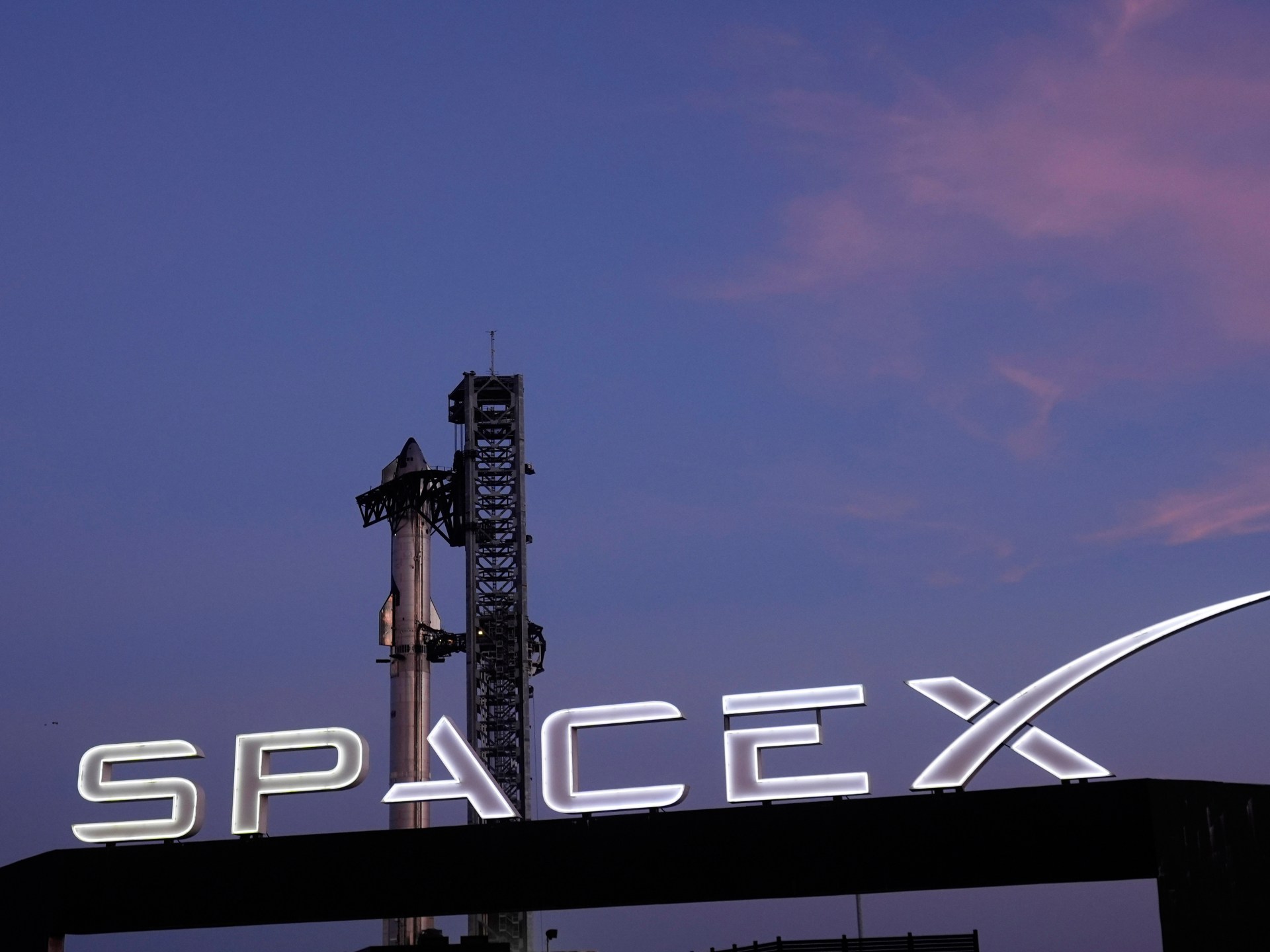
SpaceX is expected to make its US market debut on Friday in what Al Jazeera reports would be the largest initial public offering on record. The listing could quickly affect investors who do not buy the stock directly because Nasdaq has changed its rules in a way that may speed the company’s entry into the Nasdaq-100.
The Elon Musk-led company is valued at nearly $1.8 trillion, or $135 a share, according to Al Jazeera. That would put it above Saudi Aramco’s 2019 debut valuation of $1.7 trillion, which Al Jazeera said had stood as the largest IPO.
Retail demand has been strong. Reuters reported that SpaceX is expected to reserve 20 percent of its shares for individual investors and has drawn about $70 billion in orders.
The faster index path is drawing scrutiny from pension officials and market analysts. Companies usually face a seasoning period before joining major benchmarks, with S&P 500 candidates required to show profitability over the prior four quarters and Nasdaq-100 candidates typically waiting three calendar months, excluding the listing month, according to Al Jazeera.
After SpaceX sought an exemption for very large companies, Nasdaq approved a rule change in early May that could allow the Texas-based company into its index after 15 trading days, Al Jazeera reported. S&P Dow Jones Indices did not change its rules.
Index funds may have little choice
The issue for retirement savers is that index funds are built to mirror benchmarks such as the Nasdaq-100 and S&P 500. Aleksander Tomic, associate dean for strategy, innovation and technology at Boston College, told Al Jazeera that fund managers tracking an index must buy stocks in line with their index weightings, which could force rapid purchases of newly added companies.
Tomic said that outcome could be “highly undesirable” if SpaceX is overvalued when it enters. Morningstar analysts put SpaceX’s value at $63 a share, Al Jazeera reported, a 53 percent discount to the expected IPO price.
North Carolina Treasurer Brad Briner told CNBC on Wednesday that the state would not buy a direct SpaceX stake for the pension fund serving teachers, firefighters and police officers because of the price. Briner said the state would still gain exposure through the public equity index funds it already owns.
Colin Clark, lead adviser and director of business analytics at Northwestern Mutual, told Al Jazeera that managers cannot exclude SpaceX from a fund designed to track the Nasdaq if the company joins the index. Creating a separate product would be required to leave out a single constituent, according to Al Jazeera.
Governance concerns follow valuation debate
SpaceX’s planned governance structure has also drawn objections from major public investors. In a May letter, New York State Comptroller Thomas DiNapoli, New York City Comptroller Mark Levine and California Public Employees’ Retirement System CEO Marcie Frost said Musk could control as much as 85 percent of voting power while owning 42 percent of the equity.
The letter said removing the company’s most powerful officer would require Musk’s own vote, making him effectively protected from removal without his consent. The officials said the arrangement would limit accountability to public shareholders.
SpaceX reported an annual loss of $4.9 billion on revenue of $18 billion, up from $14 billion a year earlier, according to Al Jazeera. The company’s Starlink satellite business has more than 10 million subscribers and accounts for an estimated 50 percent to 80 percent of revenue, Al Jazeera reported.
Some investors see room for growth despite the concerns. Michael Monaghan, partner portfolio manager at FounderETFs, told Al Jazeera that his firm looks several years ahead and believes SpaceX could reach $50 billion in Starlink revenue and $50 billion in defence revenue by 2030.
Al Jazeera reported that Morgan Stanley expects SpaceX revenue could exceed $330 billion by 2030, while Goldman Sachs projects $470 billion over the same period. The broader debate may soon extend to OpenAI and Anthropic, which Al Jazeera reported have confidentially filed for IPOs and are each expected to seek valuations around $1 trillion.
This story draws on original reporting from Al Jazeera.