
Immigrants in South Africa fear violence as June 30 deadline nears
Foreign nationals describe hiding, displacement and fear as anti-immigrant groups intensify pressure across South Africa.
By Sofia Marchetti · World Affairs Correspondent
3 min read
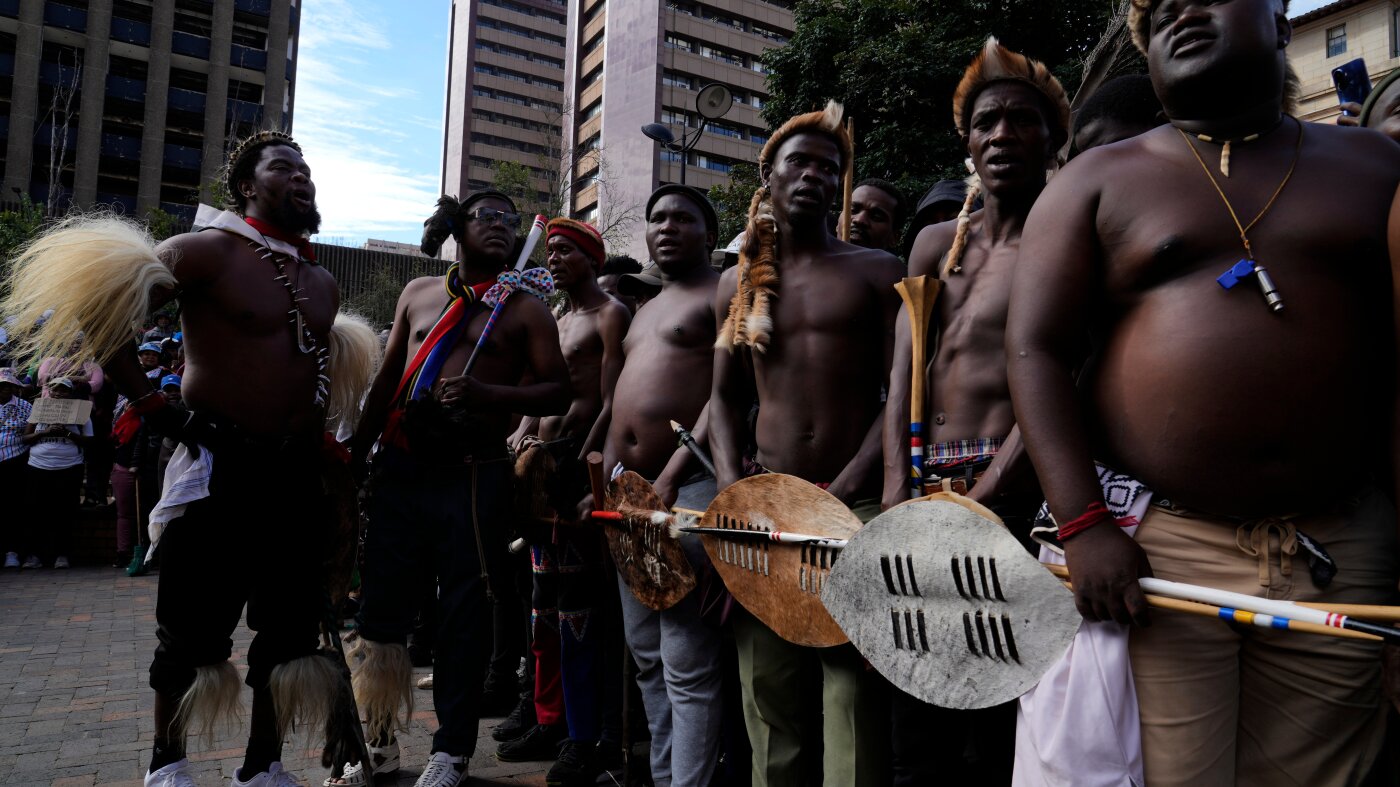
Immigrants in South Africa are bracing for possible new attacks after a leading anti-immigrant movement set a June 30 deadline for undocumented people to leave the country, NPR reported. The pressure campaign has alarmed foreign nationals in Johannesburg, Durban and Cape Town, where businesses have been attacked, homes cleared and several migrants killed, according to NPR.
The group March and March, led by former Durban radio presenter Jacinta Ngobese-Zuma, has become a central force in the current wave of anti-immigrant organizing, NPR reported. Its supporters have marched with sticks, chanted a Zulu slogan meaning “They must go,” and claimed they can check immigration papers or make arrests, although they have no legal authority to do so, according to NPR.
March and March has not said what it intends to do after its June 30 deadline passes, NPR reported. NPR said it sought comment from Ngobese-Zuma but did not receive a response before publication.
Displacement and repatriations
In Durban, thousands of Malawians fled their homes and were sleeping outdoors in winter while asking Malawi to send buses to bring them back, NPR reported. Hundreds of Zimbabweans also gathered outside their consulate in Cape Town, while Nigeria, Ghana and Mozambique have already repatriated citizens who wanted to leave, according to NPR.
South Africa has seen deadly anti-foreigner violence before. NPR reported that riots in 2008 killed more than 60 people and displaced tens of thousands, and that deadly unrest returned in 2019. This year, a Malawian and several Mozambicans have been reported killed, according to NPR.
Anti-immigrant groups accuse foreigners of taking jobs and driving crime, NPR reported. South Africa’s official unemployment rate is above 30%, and youth unemployment is above 60%, but NPR reported that data points instead to long-running economic stagnation and government failures as the larger causes of joblessness and social strain.
President Cyril Ramaphosa has condemned scapegoating while promising tougher border controls and action against undocumented immigrants and employers who hire them, NPR reported. In a recent address quoted by NPR, he said frustration over crime, unemployment and pressure on public services should be met with “practical solutions,” not attacks on vulnerable people.
Fear in Johannesburg
In Jeppestown, east of central Johannesburg, NPR interviewed migrants working in a carpentry and upholstery shop. A 25-year-old Malawian carpenter identified only as Guy said he came to South Africa three years ago and now fears March and March protesters, while also alleging police regularly demand papers and solicit bribes from undocumented workers.
Sandile Mbuyazi, an 18-year-old Zimbabwean at the same workshop, told NPR he was afraid but could not return to Zimbabwe because of its economic and political problems. “They can kill you,” he said of the protesters, according to NPR.
Victor Sithole, a 55-year-old Zimbabwean upholsterer who has lived in South Africa for decades, told NPR he has a residence permit but does not believe papers will protect him if anti-immigrant marchers arrive. He said friends had already lost homes and businesses, and described the atmosphere as similar to war.
NPR also spoke with Ghanaian business owner Kofi David, who sells West African produce in Johannesburg. He said he feared the rhetoric he was seeing online and suggested resentment of migrants’ businesses may be feeding hostility, while also linking the tension to local elections due in November.
In Yeoville, Bona Mapezi Bahati, a 33-year-old Congolese woman who is eight months pregnant, told NPR she fled militia violence in the Democratic Republic of Congo as a teenager and now has an expired asylum-seeker visa. She said clinics had turned her away because of anti-immigrant protesters and rules requiring papers or money, leaving her unsure where she will give birth.
This story draws on original reporting from NPR.