
Sialkot’s hand-stitched football craft faces machine-made future
In Pakistan’s football-making hub, artisans still sew balls by hand as factory methods cut into a craft that once dominated local production.
By James Whitfield · Staff Writer
3 min read
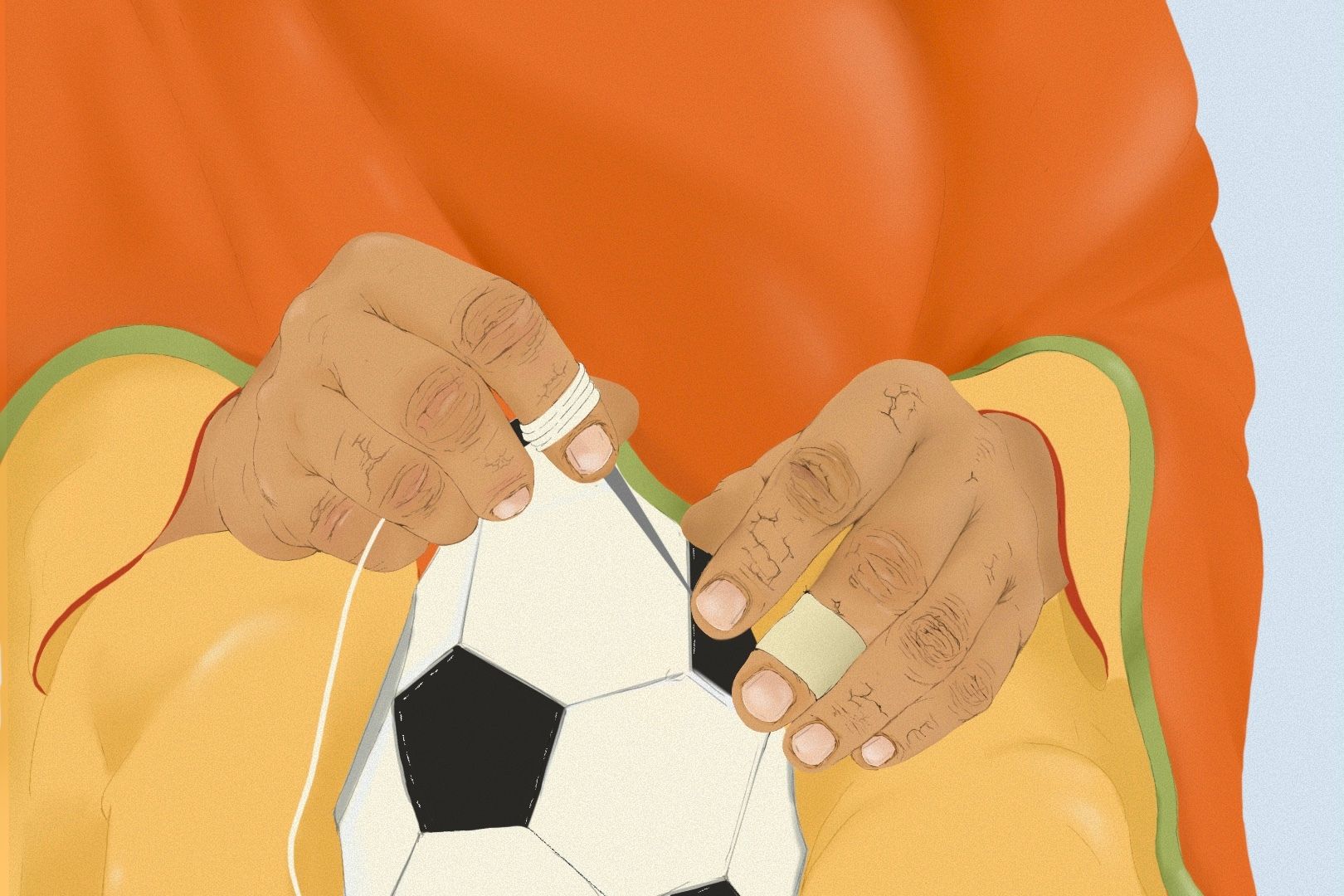
Hand-stitched football makers in Sialkot, Pakistan, are trying to keep a long-running craft alive as machine stitching and thermal bonding take over much of the industry, Al Jazeera reported. The shift matters for families who depend on piecework that can be done from homes or registered workshops, especially women who say it lets them earn without leaving their communities.
Al Jazeera reported from Sambrial, a suburb of Sialkot, where Ansar Majeed, 55, works in a stitching centre with about 25 women. Majeed has stitched footballs for 35 years and now trains younger workers, teaching beginners to join a few panels before attempting a full ball.
Sialkot has supplied footballs to the global game for decades, according to Al Jazeera. The city’s Sublime Sports made Adidas’s Tango Espana for the 1982 World Cup, and official World Cup balls from 2014 onward have also been manufactured in Sialkot, though the official match balls are made in factories.
Hand stitching now fills a narrower part of the market. Al Jazeera reported that the work is mainly used for premium training balls, retail products and promotional orders, leaving stitchers exposed to stretches with little or no work between contracts.
A monitored network
Football factories cut panels, prepare kits and collect completed balls, while much of the sewing is subcontracted to registered centres, Al Jazeera reported. More than 1,400 such centres operate across Sialkot district and are inspected every four to eight weeks under a monitoring system created after child labour was removed from the supply chain in the late 1990s.
Nasir Dogar, chief executive of the Independent Monitoring Association for Child Labor, told Al Jazeera that any site with at least five stitchers is registered. He said the work once carried social stigma because families were seen as poor if they depended on sewing footballs.
International pressure rose in 1996 after a magazine photograph showed a 12-year-old boy stitching a Nike football, Al Jazeera reported. In 1997, FIFA, the International Labour Organization, UNICEF, Save the Children, Pakistan’s government and the Sialkot Chamber of Commerce signed the Atlanta Agreement, pledging to end child labour in football production.
Dogar told Al Jazeera that village committees helped build registered centres and support school enrollment. A later UNICEF audit found 96 to 97 percent of children were attending school, according to Al Jazeera.
Home work and falling orders
Across town, Abida Hussain, 50, stitches footballs from the front room of her three-room home with her husband, Muhammad Hussain, and their daughters, Al Jazeera reported. Muhammad has worked in the trade since 1988 and taught each daughter after she turned 16.
Abida can complete three to five footballs a day, according to Al Jazeera. When she finishes five match-quality balls, she earns a little more than $6, with kits supplied through Anwar Khawaja Industries, the local manufacturing partner for Select.
Each kit contains 32 pre-cut panels and a guide, Al Jazeera reported. Depending on the design, one stitcher can make about 15 toy balls, eight to 10 training balls or up to five match-quality footballs in a day.
Khurram Khawaja of Anwar Khawaja Industries told Al Jazeera that hand-stitched footballs made up 80 to 90 percent of Sialkot production five or six years ago but now account for about 20 percent. He said one factory worker can produce 50 to 60 machine-stitched balls a day, compared with about five by a skilled hand stitcher, and said hand stitching could largely disappear from mainstream football production within eight to 10 years.
For families such as the Hussains and workers at Majeed’s centre, Al Jazeera reported, the craft remains a source of income between rising bills, school costs and uncertain orders. When football work slows, many stitchers turn to embroidery or badge sewing to cover gaps.
This story draws on original reporting from Al Jazeera.