
Iraq’s prime minister steps up corruption arrests as scrutiny grows
Authorities have seized cash and assets in high-level graft cases, but experts say Iraq’s legal and political systems still limit deeper reform.
By Sofia Marchetti · World Affairs Correspondent
3 min read
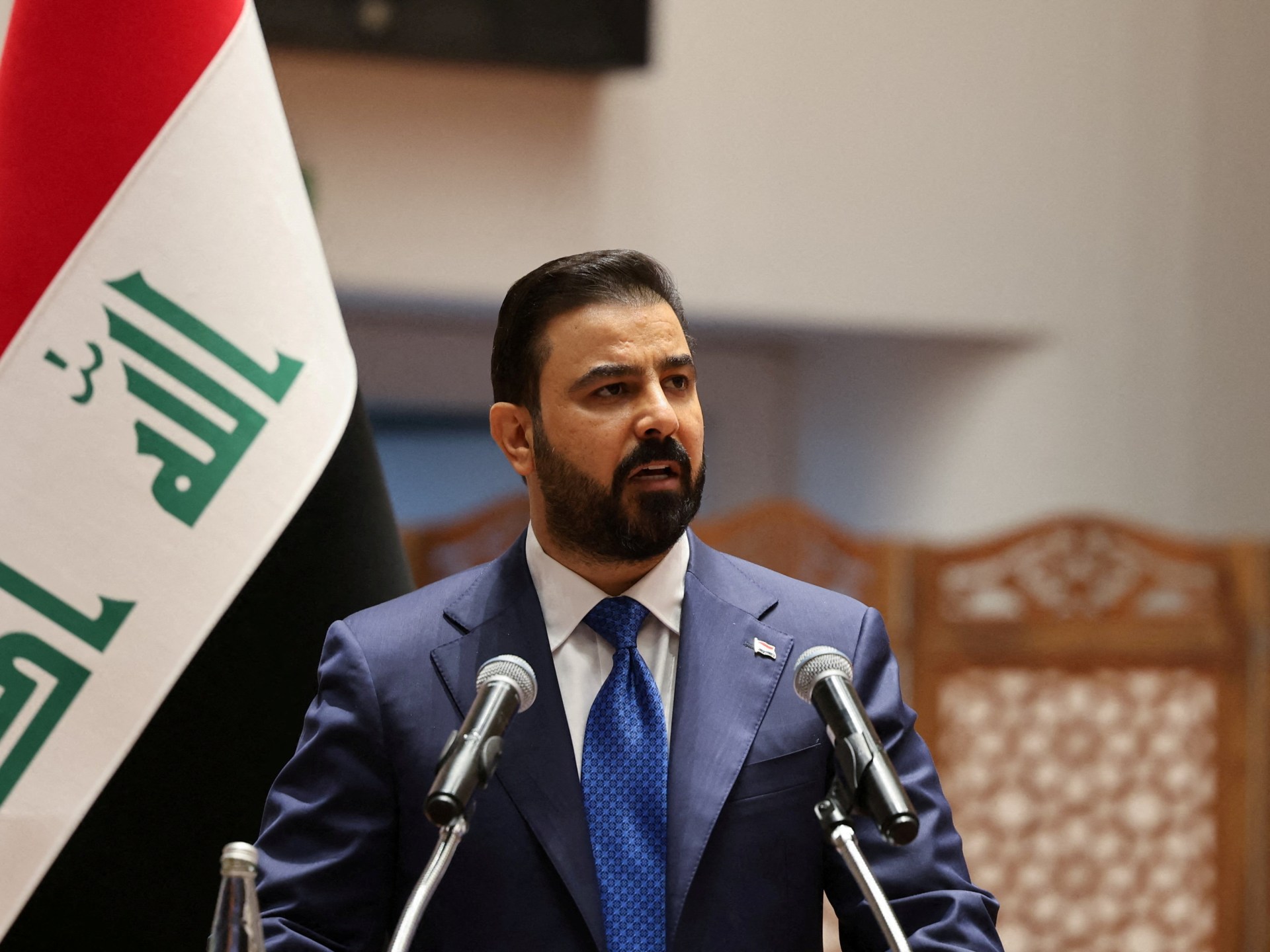
Iraq’s new prime minister has pushed a series of corruption investigations into senior officials, bringing public attention back to a problem that has drained state resources for decades. The campaign has produced arrests and large asset seizures, but anticorruption figures cited by Al Jazeera say the effort must reach older and more politically sensitive cases to prove durable.
The Iraqi Supreme Judicial Council said Tuesday that investigators had seized about $86 million in cash in a case involving Adnan al-Jumaili, the detained Oil Ministry undersecretary for refining affairs. The council said authorities also seized 70 properties, 21 vehicles and about three kilograms of gold jewellery.
According to the judiciary, the assets were tied to alleged waste in projects connected to al-Jumaili and others in the case. Al-Jumaili, who also led the Iraqi North Refineries Company, was arrested May 30 at his home in al-Ishaqi, north of Baghdad.
The arrest came after Prime Minister Ali al-Zaidi, who took office May 16, ordered a review of government contracts from recent years for possible corruption. The Supreme Judicial Council also said Raed al-Jubouri, a former governor of Salah al-Din and health director in the governorate at the time of his arrest, had been detained.
Al-Jumaili is the most senior government figure arrested on corruption allegations since al-Zaidi became prime minister, according to Al Jazeera. In June, authorities arrested Alaa Samir al-Jubouri, a senior Electricity Ministry official, in Baghdad on accusations of corruption and wasting public money.
Al-Zaidi has also cancelled a $764 million project to develop Baghdad International Airport over suspected corruption. One of his first moves in office was to create the Supreme Sovereign Council for Integrity, Oversight and Recovery of Public Funds, a body chaired by the prime minister and tasked with monitoring ministries, other state bodies and governorates.
Government spokesman Haider al-Aboudi told a recent news conference that the government and prime minister view corruption as one of the most serious threats facing the Iraqi state and its political system.
Old cases remain a test
Iraq ranked 136th out of 182 countries in Transparency International’s 2025 Corruption Perceptions Index. The watchdog reported some improvement, while saying Iraq still faces major structural barriers to a stronger anticorruption system.
Mousa Faraj, a former head of Iraq’s Federal Integrity Commission, told Al Jazeera that he had not previously seen a collective anticorruption drive led by a prime minister. He said al-Zaidi should begin with major older files, including previous Central Bank currency auctions, where he alleged corruption reached tens of billions of dollars.
On May 28, the Federal Integrity Commission said it had stopped an alleged attempt to take 1.5 trillion Iraqi dinars, or about $1.145 billion, from the state-owned Al-Rafidain and Al-Rasheed banks.
The scale of the challenge is far larger than the current cases. In March 2021, Iraq’s Federal Commission of Integrity estimated that $240 billion had been smuggled out of the country since the 2003 US-led invasion, equal to 32 percent of Iraq’s revenue over that 18-year period.
Mohammed Raheem al-Rubie, head of the al-Nahrain Foundation for Transparency and Integrity, told Al Jazeera that recovering stolen funds from inside Iraq or abroad would be extremely difficult. He said Iraq’s legal system still relies heavily on a 1969 penal code that does not adequately address many financial crimes committed after 2003.
A 2024 United Nations Development Programme report said Iraq continues to rely on broad legal frameworks that may not match the seriousness of corruption cases. Ghalib Aldaamy, a university media professor and former Integrity Commission employee, told Al Jazeera that corruption in Iraq is politically protected and tied to the structure of the political system.
This story draws on original reporting from Al Jazeera.