
Siachen standoff keeps killing soldiers after India-Pakistan truce
Al Jazeera reports that weather, avalanches and altitude remain deadlier than gunfire on the disputed glacier.
By Lucas Ferreira · Science & Environment Writer
3 min read
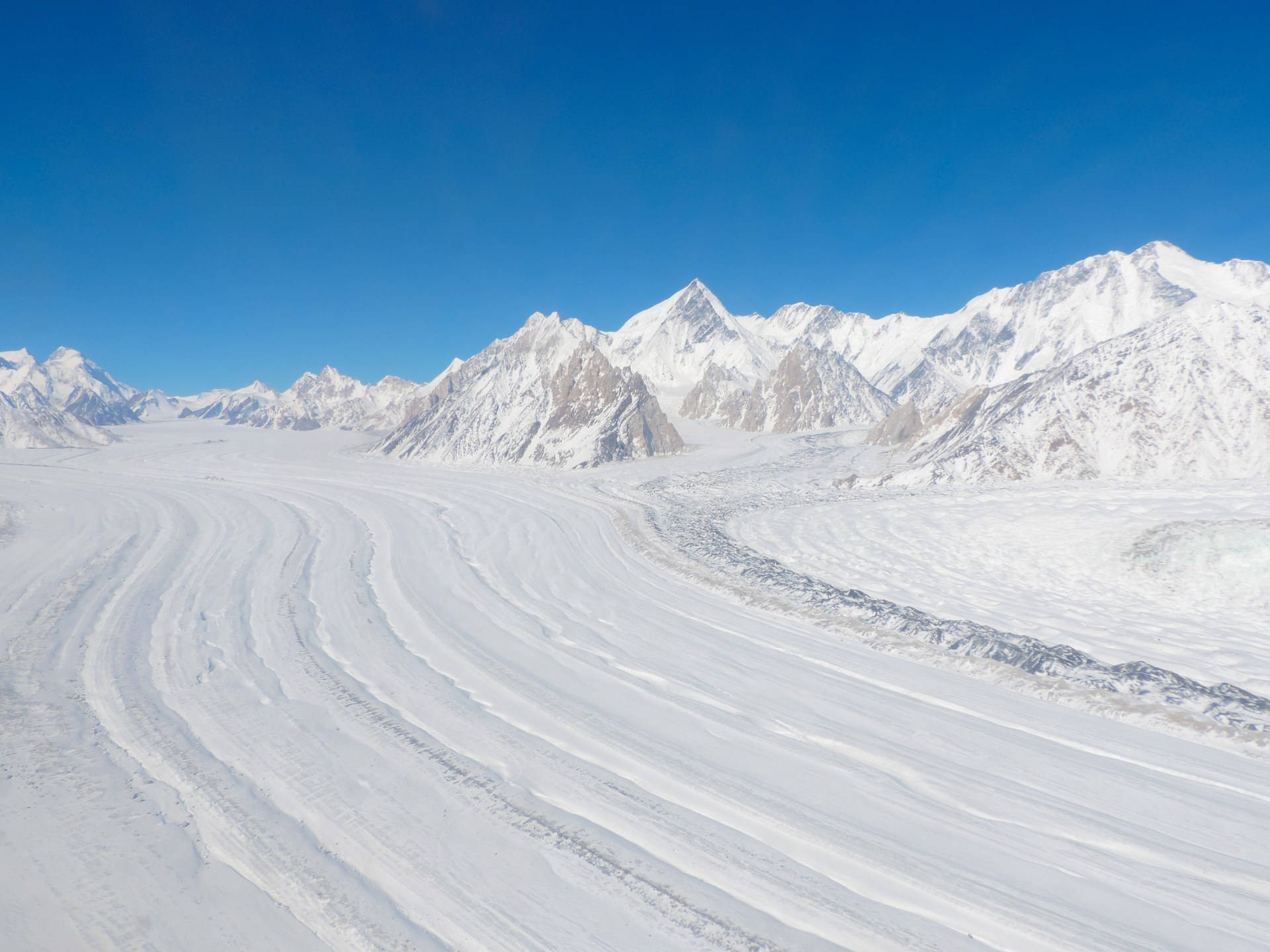
India and Pakistan stopped their latest round of fighting in May 2025, but soldiers have kept dying on Siachen, the high-altitude glacier where both armies have been deployed since 1984. Al Jazeera reported that the glacier’s extreme weather, thin air and avalanches have killed far more troops than combat.
The Siachen glacier lies in the Karakoram range near the meeting point of areas claimed or controlled by India, Pakistan and China, according to Al Jazeera. The glacier is more than 70km long, and the rival militaries face each other mainly along the Saltoro Ridge to its west.
Al Jazeera reported that India and Pakistan traded missiles and drones for four days in May 2025 after 26 civilians were killed in Pahalgam in Indian-administered Kashmir. India blamed Pakistan-backed armed groups, while Islamabad denied the accusation. A ceasefire was announced on May 10, 2025, but both countries kept their Siachen deployments in place.
Deaths without battle wounds
There has been no reported combat death on Siachen since a November 2003 ceasefire between India and Pakistan, Al Jazeera reported. The deaths have continued because of the terrain.
In February 2016, 10 Indian soldiers from the 19 Madras Battalion were buried when an ice wall hit Sonam Post, one of the high positions on the Saltoro Ridge, according to Al Jazeera. Lance Naik Hanamanthappa Koppad was found alive after five days under the ice, flown to New Delhi for treatment and died three days later.
India’s official weather-related death toll on Siachen had passed 1,100 by June 2019, the last public government acknowledgement cited by Al Jazeera. In the first three months of 2016 alone, the Indian army lost 17 soldiers to the conditions.
Pakistan’s deadliest Siachen disaster came in April 2012, when an avalanche buried a base in the Gayari sector, killing 129 soldiers and 11 civilian contractors, Al Jazeera reported. Rescuers found the first body after 49 days; the recovery operation lasted 16 months and ended with 131 bodies recovered, while nine men were not found.
More than 2,000 people have died in the Siachen conflict since 1984, according to Al Jazeera. Fewer than 3 percent of the deaths came from fighting, with the rest attributed to the mountain environment.
Costly deployment in a fragile area
Al Jazeera reported that temperatures on Siachen can fall to minus 50 degrees Celsius, winter snowfall averages nearly 10 metres, and blizzards can reach 300km/h. Soldiers serve at altitudes where the available oxygen is less than 30 percent of normal, facing frostbite, snow blindness and crevasses.
The financial burden is also high. India’s last glacier-specific figure, budgeted in 2015-16, was $499m, according to Al Jazeera. Pakistan’s annual cost around that period was estimated at $50m to $60m for about 3,000 to 4,000 troops.
Al Jazeera reported that the environmental toll includes about 900kg of human waste dumped into crevasses each day and toxic metals from heavy artillery entering meltwater. Siachen feeds the Nubra and Shyok rivers, which flow into the upper Indus system.
How the dispute began
The dispute traces back to an unfinished border line after the first India-Pakistan war, according to Al Jazeera. The 1949 Karachi Agreement marked the ceasefire line only up to grid point NJ 9842 and said it would continue “thence north to the glaciers,” leaving 60km to 70km undemarcated toward the Karakoram Pass.
After mountaineering expeditions and rival patrols raised tensions, India launched Operation Meghdoot on April 13, 1984, placing troops on key Saltoro Ridge passes, Al Jazeera reported. Pakistan moved forces into the area days later, and the standoff has remained despite later ceasefires and wars elsewhere in Kashmir.
This story draws on original reporting from Al Jazeera.