
Seafarer groups urge safe exits after US-Iran deal on Hormuz
Maritime advocates say a tentative deal to reopen the Strait of Hormuz could let stranded crews leave, but safety risks remain.
By Lucas Ferreira · Science & Environment Writer
3 min read
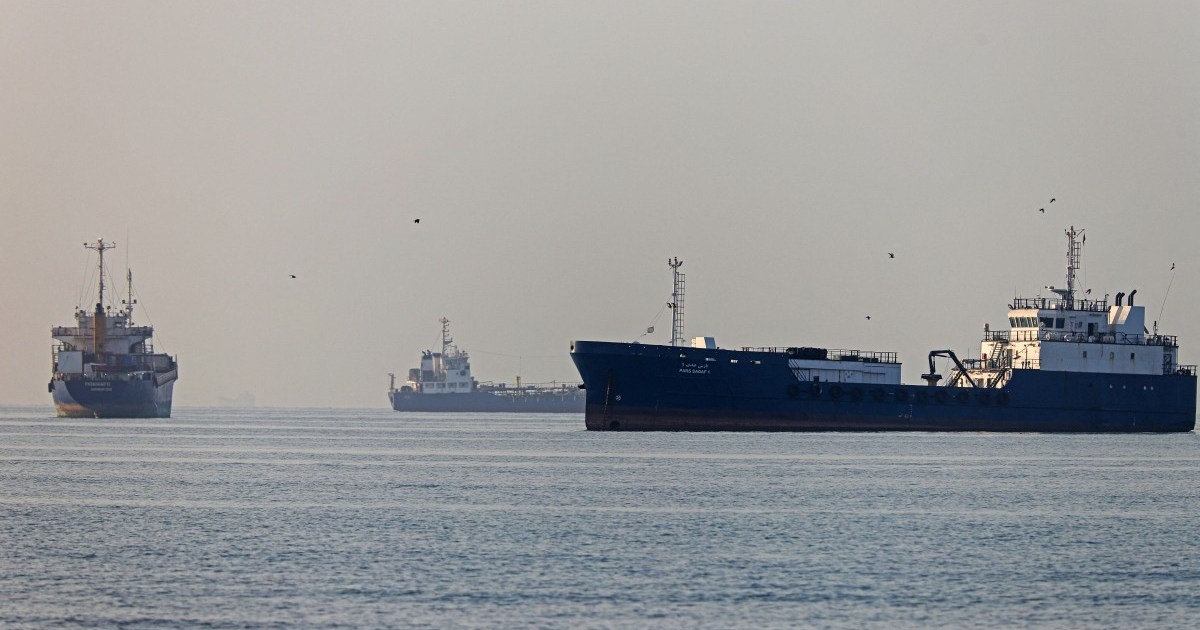
Maritime labour advocates said a tentative US-Iran agreement to reopen the Strait of Hormuz could begin easing a months-long crisis for seafarers caught near the Gulf waterway. The deal matters because about 20,000 crew members have been stranded in the region, according to seafarers’ advocates cited by Al Jazeera.
US President Donald Trump said the strait is due to reopen on Friday, according to Al Jazeera. Trump said Iran would end its “toll booth” system and the United States would lift its naval blockade of Iranian ports.
The agreement follows months of fighting after the United States and Israel began a war against Iran on February 28, according to Al Jazeera. Shipping groups and international agencies said the conflict left crews stuck aboard vessels and raised major safety concerns for ships operating near one of the world’s key maritime passages.
Evacuation plans to begin
The International Maritime Organization said Monday it would start work on plans to evacuate seafarers who have been stranded around the strait since the war began, according to Al Jazeera. IMO Secretary-General Arsenio Dominguez said the process would take time because safety and security guarantees must be secured first.
International Chamber of Shipping Secretary-General Thomas Kazakos said the announcement brought relief to maritime workers caught up in the conflict, in a statement provided to Al Jazeera. Kazakos said getting crews safely out of the region should be treated as the top priority, while warning that the process would not be immediate.
Manoj Yadav, general secretary of the Forward Seamen’s Union of India, also backed the agreement, according to Al Jazeera. Yadav said thousands of Indian sailors were stranded in the area and said his union would welcome the deal if it is carried out.
Risks remain for ships and crews
About 500 ships are waiting to transit the strait, according to the International Chamber of Shipping. The IMO said Iran and the United States carried out 46 known attacks on international shipping lines during the conflict, killing at least 14 seafarers.
Al Jazeera reported that Iran also placed sea mines in the strait and that minesweepers have not yet fully cleared them. That leaves a major safety obstacle even if political commitments hold and shipping lanes are formally reopened.
Steven Jones, founder of the Seafarers Happiness Index, told Al Jazeera that crews will need proof of stability before they regain confidence in voyages through the area. Jones said a ceasefire and reopening announcement were encouraging, but decisions by shipowners, charterers, insurers, captains and crews would depend on risk assessments, reliable communications and repeated safe passages.
Jones said the question for seafarers was whether the route becomes acceptably safe in practice, according to Al Jazeera. He said confidence would require sustained calm, a credible reduction in threats and several uneventful transits through the strait.
This story draws on original reporting from Al Jazeera.