
Saudi Arabia condemns Houthi naval blockade threat
Riyadh says it will protect its ships after Yemen’s Houthis threatened a maritime blockade that could disrupt Red Sea oil routes.
By James Whitfield · Staff Writer
3 min read
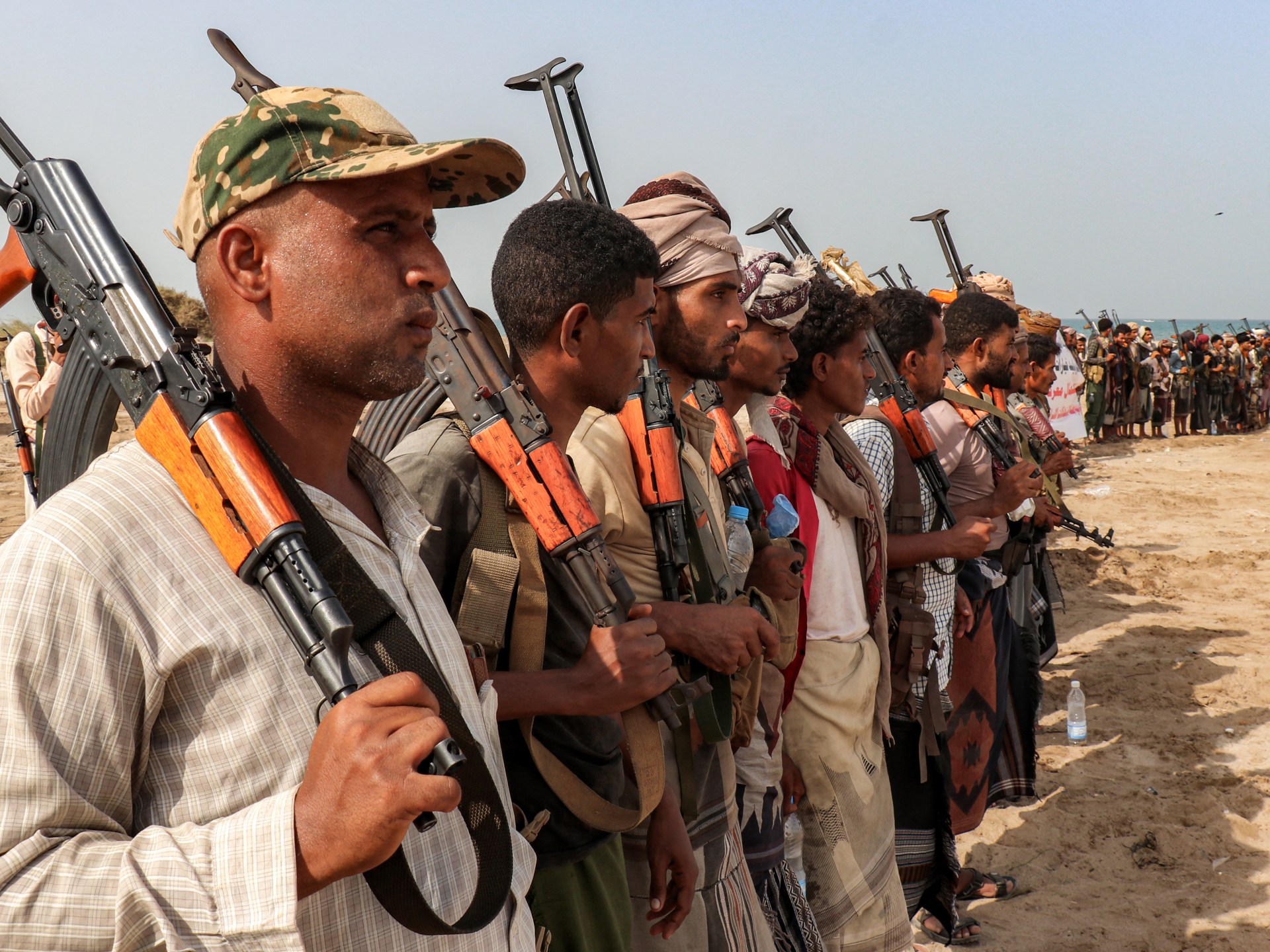
Saudi Arabia has condemned Houthi accusations that Riyadh is besieging Yemen and said it will protect its vessels after the Yemeni group announced a naval blockade on the kingdom. The threat matters because Saudi Arabia has been using Red Sea routes to keep oil moving while shipping through the Strait of Hormuz is disrupted, Al Jazeera reported.
The Saudi Foreign Ministry said Monday it would take “all necessary measures” to safeguard Saudi ships, according to Al Jazeera. The Houthis, who are aligned with Iran and control Yemen’s capital, Sanaa, said their move was a response to what they described as a long Saudi blockade of Yemen.
Red Sea route under pressure
The Houthis said Monday they would impose a naval blockade on Saudi Arabia and warned they were prepared for further escalation, Al Jazeera reported. The group did not immediately make clear how it would enforce the measure or whether it would resume attacks on international shipping off Yemen’s coast.
The Bab al-Mandeb Strait, which links the Red Sea with the Gulf of Aden, is a key route for ships using the Suez Canal. Al Jazeera reported that the strait is about 29km, or 18 miles, wide at its narrowest point, leaving vessels to move through limited inbound and outbound channels.
About 4.1 billion barrels of crude oil and refined petroleum products moved through Bab al-Mandeb in 2024, roughly 5 percent of the global total, according to Al Jazeera. With the Strait of Hormuz described by Al Jazeera as effectively closed since the start of the US-Israel war on Iran in late February, a shutdown of Bab al-Mandeb could block 25 percent of global oil and gas supply.
Yemen tensions rise again
The Houthis seized Sanaa in 2014, and a Saudi-led military intervention began in 2015 in support of Yemen’s internationally recognised government, Al Jazeera reported. The war has left Yemen divided between the Saudi-backed government in Aden and the Houthi administration in Sanaa.
The latest dispute followed Houthi accusations that Saudi Arabia attacked Sanaa airport, although Yemen’s internationally recognised government claimed responsibility and said the strike was intended to stop an Iranian plane from landing, according to Al Jazeera. The Houthis then fired ballistic missiles at Saudi Arabia’s Abha International Airport, which the Saudi-led coalition said it intercepted.
Michael Stephens, a senior associate fellow at the Royal United Services Institute for Defence and Security Studies, told Al Jazeera that the Saudi-Houthi ceasefire had deteriorated quickly. He said the blockade announcement should also be viewed against the wider conflict involving Iran and the United States in the Gulf.
Oil markets face another risk
Saudi Arabia’s East-West Pipeline, also called the Petroline, runs about 1,200km from the Abqaiq oil processing centre near the Gulf to Yanbu on the Red Sea, Al Jazeera reported. From Yanbu, tankers carry oil through Bab al-Mandeb to Asian markets and other destinations.
Reuters reported, citing ship-tracking data from Kpler and Signal Ocean, that shipments from Yanbu averaged 4 million barrels per day in recent weeks, compared with about 973,000 barrels per day a year earlier. Kpler data cited by Al Jazeera showed total petroleum volumes through Bab al-Mandeb reached 7.4 million barrels per day in June, up from 4.2 million barrels per day last year.
The Observatory of Economic Complexity said Saudi Arabia exported $187bn in crude petroleum in 2024, with China, South Korea, Japan and India among the largest buyers, according to Al Jazeera. Stephens told Al Jazeera that a blockade would be “hugely harmful” to the oil economy and could add inflation pressure in Western and Asian economies.
Oil prices edged higher Tuesday, with Brent crude futures at $89.70 a barrel by 09:50 GMT, Al Jazeera reported. Brent had averaged around $70 before the US-Israel war on Iran and later peaked at $126 after the conflict began.
This story draws on original reporting from Al Jazeera.