
Sanchez rejects Peru runoff count as Fujimori holds narrow lead
Roberto Sanchez alleged overseas-vote irregularities and urged protests as Keiko Fujimori led Peru’s presidential runoff by about 40,700 votes.
By Sofia Marchetti · World Affairs Correspondent
3 min read
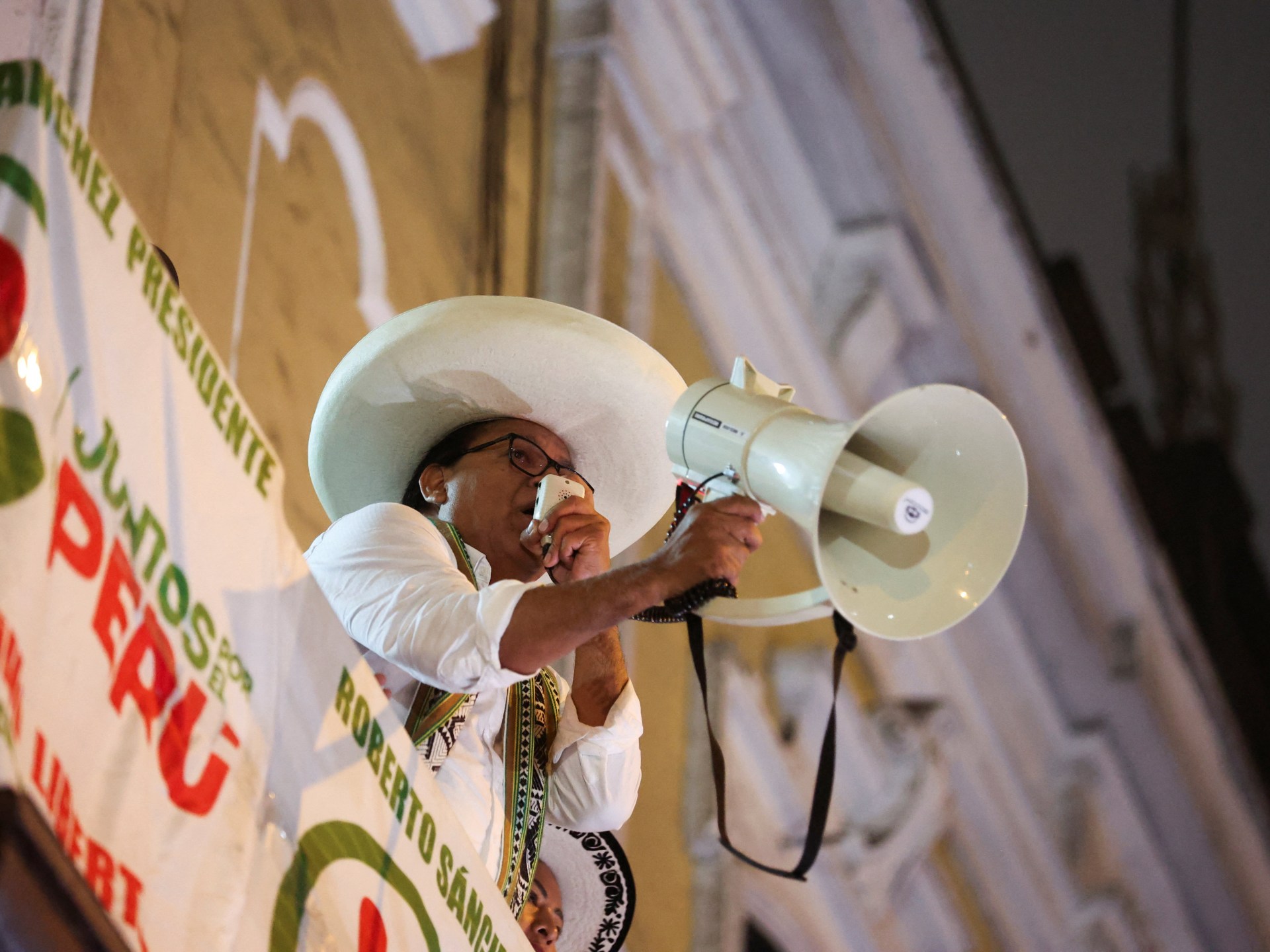
Peru’s presidential runoff entered a new phase of dispute after left-wing candidate Roberto Sanchez said he would reject a Keiko Fujimori victory while the count showed her narrowly ahead. The challenge adds pressure to a political system that Al Jazeera reported has had nine presidents in the past decade.
Sanchez, a congressman and former minister, described the June 7 runoff as fraudulent at a news conference Tuesday and called for weekend protests, according to Al Jazeera. He accused election officials of changing procedures for ballots cast abroad in a way that he said helped Fujimori, the right-wing Popular Force candidate.
In a post on X after the news conference, Sanchez said he would not recognize a Fujimori government and would call a period of political and social resistance. He asked Peru’s National Jury of Elections, the country’s electoral court, to void runoff voting held at Peruvian consular offices overseas.
With more than 99.7 percent of ballots counted as of Tuesday, Fujimori had 50.11 percent of the vote, while Sanchez had 49.89 percent, according to the figures cited by Al Jazeera. The gap between the candidates stood at about 40,687 ballots.
Election authorities have said they plan to finish the tally within 30 days of the vote, according to Al Jazeera. That timeline would leave officials time before the July 28 inauguration, which falls on Peru’s independence day.
Dispute centers on votes cast abroad
Sanchez’s complaint focused on overseas voting. Peru set up about 2,506 polling tables outside the country, and government estimates put the number of eligible voters abroad at more than 1.2 million, or roughly 4.4 percent of the national voter roll, according to Al Jazeera.
Sanchez criticized a decision by election authorities to remove a requirement that tally sheets from overseas polling stations be scanned and digitized. He argued that the change weakened safeguards and created what he called an unlawful advantage for Fujimori.
His formal request covered results from 119 Peruvian consular offices where voting took place, according to a Sanchez campaign post cited by Al Jazeera. Al Jazeera reported that Sanchez did not present evidence showing the procedural change caused votes to be taken from his campaign.
Fujimori dismissed the challenge in comments to local media, calling it a desperate political act. She has her own history with disputed elections: in 2021, after narrowly trailing leftist Pedro Castillo in a presidential runoff, Fujimori alleged fraud and supported marches challenging the result, according to Al Jazeera.
Fraud claims also followed the first round of this year’s election on April 12. Al Jazeera reported that long waits and ballot-distribution delays raised concerns about access to voting, and official results took nearly a month to release.
After that first round, former Lima Mayor Rafael Lopez Aliaga, who finished third, rejected the results as false as Sanchez moved toward a runoff spot, according to Al Jazeera. Critics of Sanchez have pointed to remarks he made to Exitosa Noticias on June 5, when he said he would respect the outcome if voters chose another candidate.
Two candidates with sharp political contrasts
Sanchez ran for Together for Peru and drew support from rural and Indigenous communities, according to Al Jazeera. He also faced criticism over his ties to former President Pedro Castillo, who is jailed on rebellion and conspiracy charges; Sanchez served as a minister in Castillo’s government.
Fujimori founded Popular Force in 2010 and campaigned on a law-and-order message. Her father, Alberto Fujimori, ruled Peru from 1990 to 2000 and was later convicted of human rights abuses after a presidency marked by the closure of Congress and the Supreme Court, a new constitution, forced sterilizations and extrajudicial killings, according to Al Jazeera.
This story draws on original reporting from Al Jazeera.