
Rights groups warn Lebanon-Israel framework could block war crimes claims
Six rights and press freedom groups say parts of the US-mediated deal risk limiting access to international justice after the war in Lebanon.
By Lucas Ferreira · Science & Environment Writer
4 min read
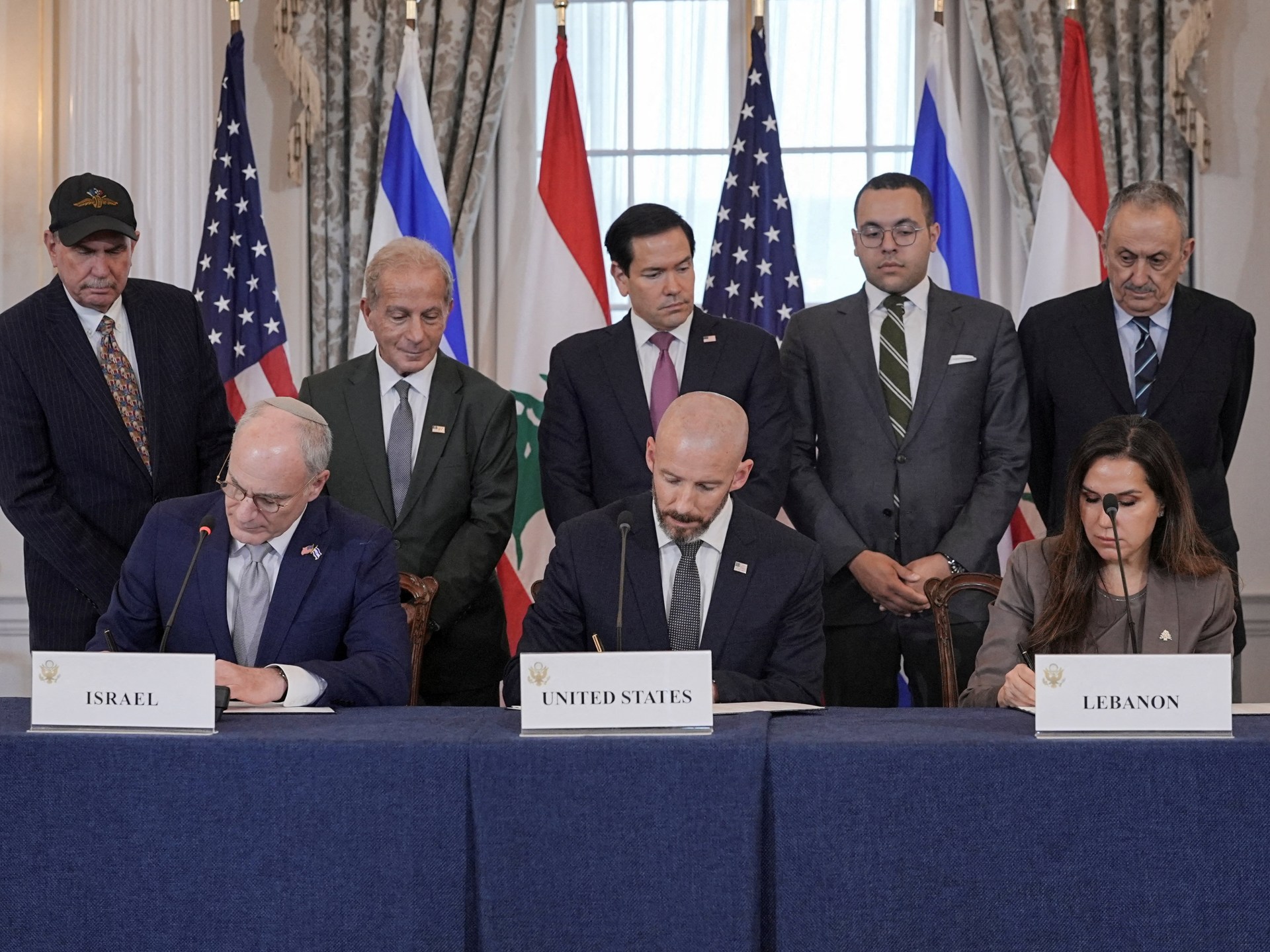
Six human rights and media freedom groups have warned that the new Israel-Lebanon framework agreement could restrict efforts by victims in Lebanon to seek accountability for alleged war crimes. The criticism targets clauses that the groups say may keep cases away from international courts after months of severe civilian harm.
Amnesty International, Human Rights Watch, the Lebanese Center for Human Rights, Legal Agenda, Reporters Without Borders and the Union of Journalists in Lebanon issued the joint statement on Friday. They said parts of the US-mediated framework, signed in Washington on June 26, appear designed to stop victims of serious international crimes from turning to international forums.
The agreement was signed by Israel’s ambassador to the United States, Yechiel Leiter, and Lebanon’s ambassador to the United States, Nada Hamadeh, according to Reuters. The United States brokered the framework.
Clauses draw scrutiny
The six organisations singled out clauses 3 and 13, saying they could prevent Lebanon and Israel from using international courts, including the International Criminal Court and the International Court of Justice. They said the framework appears to conflict with both countries’ duties under international law to pursue accountability for serious crimes committed on their territory.
The groups said clause 3 raises concern because it links the return of residents to certain border areas, now occupied by Israel, to the disarmament of non-state armed groups and the dismantling of their infrastructure. Their statement said international humanitarian law requires displaced people to be allowed to return once fighting has ended or the reasons for displacement no longer apply.
Clause 13 also drew criticism from the organisations, which said it restricts civilians from taking action in international political or legal forums. They said that provision follows months of hostilities that caused extensive civilian harm, including alleged war crimes, breaches of international humanitarian law and grave human rights abuses.
Agnes Callamard, Amnesty International’s secretary general, said victims of war crimes and other violations deserve justice. She said any agreement that does not put justice, accountability and reparations at its centre would be weakened by the impunity it creates.
Ghida Frangieh, head of litigation at Legal Agenda, said accountability and respect for international law are legal duties, not matters for negotiation. She said states cannot give up obligations to investigate and prosecute the gravest international crimes, or erase individual rights to truth, justice and reparation.
Lebanon defends the deal
Lebanese President Joseph Aoun defended the framework on Friday, according to a statement from the presidency. He said the deal does not legitimise Israel’s continued occupation of Lebanese territory and instead gives the Lebanese army authority to extend state control across the country.
Aoun made the remarks during a meeting with representatives of the Association of Lebanese Universities, the Lebanese Order of Physicians and the Lebanese Maronite Order, the presidency said. He said Lebanon had made a sovereign decision to separate its path from the Iranian-US track, and said the Lebanese army would assume responsibility for security and stability in the south after Israeli forces withdraw.
Al Jazeera reported that many people in Lebanon have protested against and criticised the government for signing the framework. Critics include people heavily affected by the war, which Al Jazeera said has killed at least 4,300 people, injured more than 12,000 and displaced hundreds of thousands since early March.
The International Organization for Migration said Thursday that 646,107 internally displaced people had begun returning to their communities, based on data gathered with local authorities since June 22. The agency said about 500,000 others remain displaced.
Lebanese authorities said they were working to remove informal encampments in and around Beirut and reduce the number of official shelters. Al Jazeera reported that many people in southern Lebanon say they have no homes to return to because dozens of towns and villages near the border were destroyed by Israeli forces.
Israeli Prime Minister Benjamin Netanyahu has said Israel’s military “will not leave” southern Lebanon while Hezbollah remains a “threat”. Hezbollah has rejected the framework as “null and void” and said tying an Israeli withdrawal to its disarmament crosses “all red lines”.
This story draws on original reporting from Al Jazeera.