
Refugee returns surged in 2025 despite unsafe conditions
UNHCR figures show nearly 15 million displaced people went home in 2025, even as many returned to poverty, damaged services and insecurity.
By James Whitfield · Staff Writer
4 min read
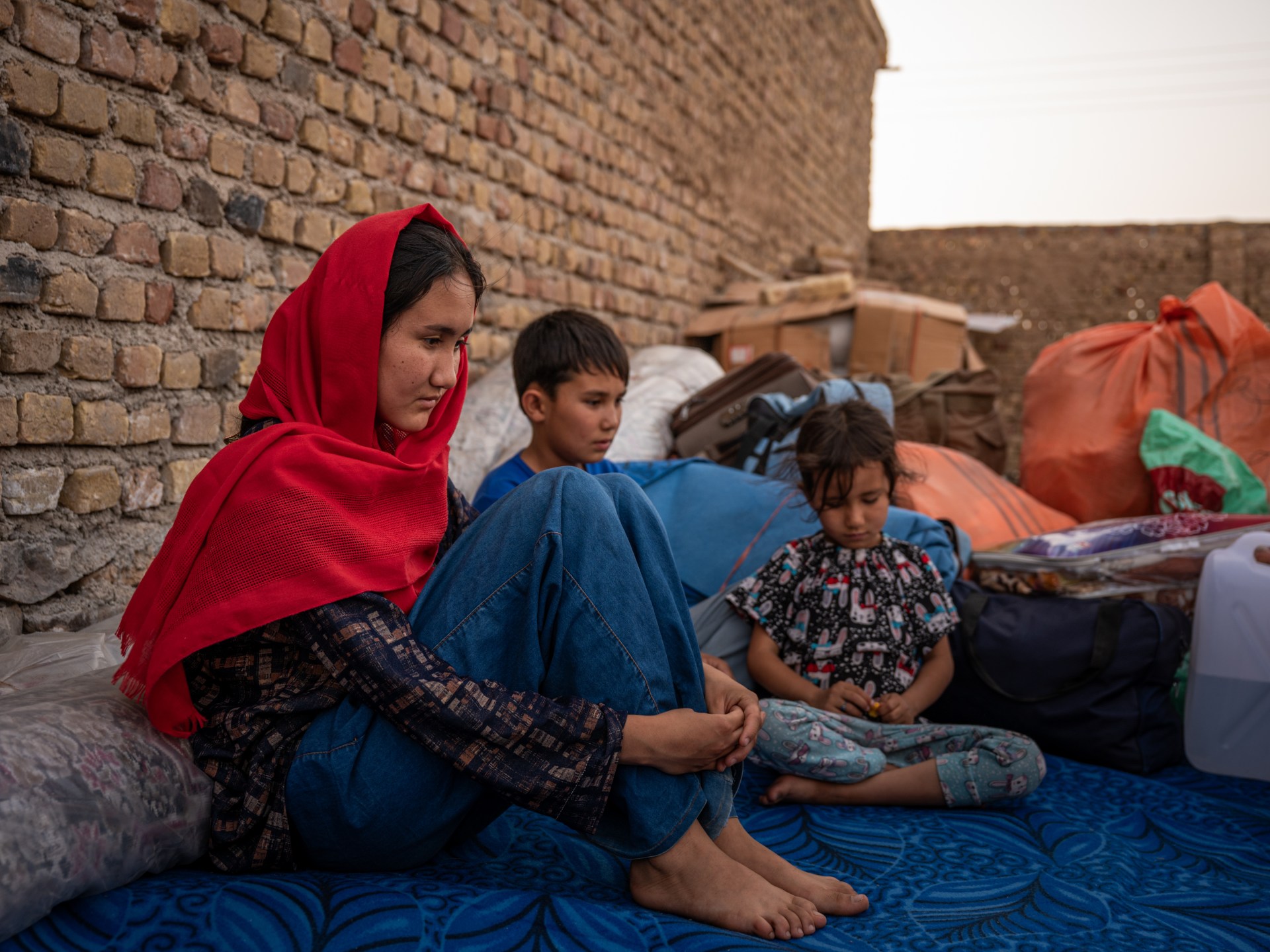
Nearly 15 million displaced people returned to their homes in 2025, the largest annual increase recorded by the United Nations, according to UNHCR figures reported by Al Jazeera. The returns helped reduce global forced displacement for the first time in a decade, but UNHCR warned that many people went back to places still marked by violence, poverty and weak basic services.
UNHCR said at least 117.8 million people remained forcibly displaced worldwide, equal to about one in every 70 people. That total includes internally displaced people, refugees, asylum seekers, Palestinians under UNRWA’s mandate and others needing international protection.
Most of those who went home in 2025 had been displaced inside their own countries. UNHCR data show 10.3 million internally displaced people returned, while 4.36 million refugees crossed borders back to their countries of origin, nearly three times the number recorded in 2024.
Returns concentrated in five countries
Refugee returns were heavily concentrated, according to UNHCR data cited by Al Jazeera. Almost 98 percent of the 4.36 million refugees who returned went to Afghanistan, Syria, Sudan, South Sudan or Ukraine.
- Afghanistan: 1.95 million refugee returns
- Syria: 1.34 million refugee returns
- Sudan: 651,500 refugee returns
- South Sudan: 199,300 refugee returns
- Ukraine: 139,300 refugee returns
UNHCR said many refugees and internally displaced people want to rebuild their lives at home. The agency also said conditions for return are often poor, with some returnees facing insecurity and limited access to housing, healthcare and work.
Afghans return under pressure
Afghanistan recorded nearly two million refugee returns in 2025, according to UNHCR data. Al Jazeera reported that many Afghans came back from Iran and Pakistan, where policy changes and restrictions affected communities that had lived there for years.
Al Jazeera interviewed Maryam, a 30-year-old widow who returned to Afghanistan with her two sons after six years in Iran. She said she had no job or home after returning, and Al Jazeera reported that her 15-year-old son was looking for work rather than attending school.
UNHCR interviews with Afghan returnees found that 80 percent of households said they were missing one meal a day, while more than one-third said they could not get medical care. The UN has warned, according to Al Jazeera, that the pace of returns could add strain to a country already facing widespread poverty, weak infrastructure and foreign aid cuts.
Syrians go back after Assad’s fall
About 1.3 million Syrian refugees returned from abroad in 2025, UNHCR data show, while another two million internally displaced Syrians went back to their areas of origin. Al Jazeera reported that the movement followed the fall of the al-Assad dynasty in December 2024 after a rebel offensive ended 54 years of family rule.
The Syrian war produced one of the world’s largest displacement crises, with about 6.8 million Syrians outside the country at its peak in 2021, according to Al Jazeera. UNHCR data cited by Al Jazeera show 556,000 Syrians returned from Turkiye in 2025, 465,000 from Lebanon and 256,000 from Jordan.
Al Jazeera interviewed Hiam, 37, who returned to Syria with her family after more than a decade abroad. She said the high cost of living in the host country pushed the family to leave, but she found Syria greatly changed and struggled with the lack of homes and the emotional strain of return.
Sudan returns amid damaged services
Sudan saw about 651,000 refugee returns and 2.9 million internally displaced returns in 2025, according to UNHCR data. Most refugee returnees came from Egypt and South Sudan, and many settled in Gezira, Sennar and Khartoum states.
UNHCR said basic services in those areas were badly weakened and that unexploded ordnance remained a danger. Al Jazeera also interviewed Ansam Rustom, who left Khartoum with her family after Sudan’s war began in April 2023 and later returned because of difficult family circumstances.
Internally displaced returns were led by the Democratic Republic of the Congo, Sudan and Syria, which together accounted for more than 80 percent of the 10.3 million IDP returns in 2025, according to UNHCR figures. In Ukraine, UNHCR data show 3.7 million people remained internally displaced at the end of 2025, even as 579,000 returned to their places of origin during the year.
This story draws on original reporting from Al Jazeera.