
Floods put Nepal’s rare Bon village at risk
In Lubra, a small Mustang village that follows Tibet’s Bon faith, heavier monsoon floods are damaging homes, fields and religious buildings.
By Daniel Okafor · Business Editor
4 min read
Repeated monsoon floods are forcing families from Lubra, a small Himalayan village in northwest Nepal that is one of Mustang’s last all-Bon communities, Al Jazeera reported. Residents and researchers say climate-linked changes in rain, snow and erosion are threatening homes, farmland and religious sites tied to a rare Tibetan faith.
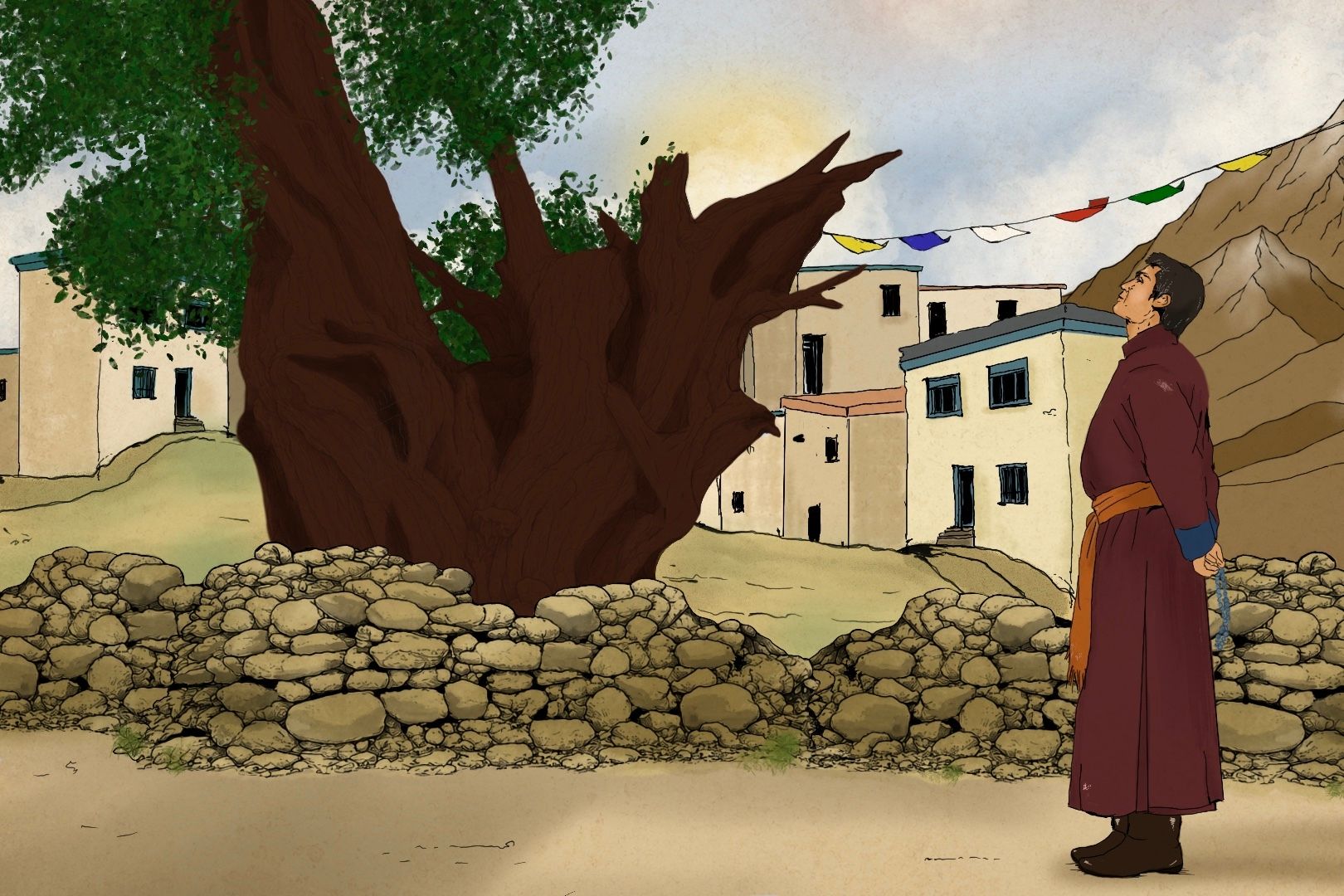
Lubra has 16 families and is located in Mustang, a culturally Tibetan region of Nepal. Lama Tsultrim, the village’s 76-year-old spiritual leader, told Al Jazeera that the settlement traces its origins to the monk Trashi Gyaltsen, who founded the village generations ago near a walnut tree that remains among its houses.
That tree, once away from the river, now stands close to the water’s edge, Tsultrim said. He left his old house two years ago because of flooding, and several other homes near the river have also been abandoned after a decade of more destructive monsoon floods.
A rare Bon settlement
Bon is regarded as Tibet’s Indigenous religion, though its history includes influences from Tibet and neighboring regions, according to Al Jazeera. Its modern form, Yungdrung Bon, shares features with Tibetan Buddhism, but has its own deities, rituals and practices, including anti-clockwise circumambulation of religious monuments.
Charles Ramble, an anthropologist who studies Bon and Tibetan societies, told Al Jazeera that Lubra is the first Bonpo monastery settlement founded in Nepal and the only surviving Bon village of its kind in Mustang. He said some Bon families live elsewhere in the region, but Lubra is the only village where all residents continue to follow the faith.
Ramble said Lubra was settled in the 11th century by Bonpo families, many from northern Mustang. The village follows a system of noncelibate “householder monks,” in which the eldest son in each family becomes a lama while also marrying, farming and raising children.
Floods, mud and lost fields
Yangchen Gurung, a Lubra resident, told Al Jazeera her family fled their riverside home during the 2021 flood after receiving a warning from someone higher in the valley. She said larger floods now arrive every few years, and the 2021 event buried much of her home in sludge.
The floods have damaged farmland used for apples, potatoes, buckwheat, garlic and other crops, residents told Al Jazeera. Yangchen said fields that once stretched toward a white rock in the riverbed have been swallowed by mud and stones.
Residents connect the floods to warmer winters, reduced snowfall and heavier bursts of monsoon rain. Yangchen told Al Jazeera that snow used to be deep enough to keep people indoors in winter, while recent years have brought little or no snow.
Anima Maharjan, a livelihood and migration specialist at the International Centre of Integrated Mountain Development in Kathmandu, told Al Jazeera there is scientific evidence that extreme rainfall events are becoming more frequent. Research cited by Al Jazeera has also found that climate change is increasing erosion and sediment movement in rivers across the Tibetan Plateau.
Recent research cited by Al Jazeera estimates that Lubra’s riverbed has risen 12 metres over the past decade. Residents say the higher riverbed leaves the village more exposed when mud and floodwater surge through the valley.
Culture under pressure
The damage reaches beyond houses and fields. Al Jazeera reported that Phuntshok Ling Monastery, founded in the mid-19th century, is central to village rituals but is suffering as heavier rain seeps through traditional earthen roofs.
Dane Carlson, a landscape architect studying changes in Lubra, told Al Jazeera that packed-earth roofs worked in a climate with more snow and less rain. He said leaking roofs can rot timbers and erode rammed-earth walls.
Lubra residents are also trying to sustain Bon education. Nyima Dhundul Gurung, a Bon monk from Lubra, runs the Chasey Kengtse Hostel, a boarding school for children from Lubra and other remote Bon villages. He told Al Jazeera the hostel, founded 25 years ago, has 105 children and aims to keep them connected to their language, home communities and rituals.
This story draws on original reporting from Al Jazeera.