
Refugee Convention at 75 draws warning from Yusra Mardini
Yusra Mardini says the 1951 Refugee Convention remains vital as more than 120 million people are displaced worldwide.
By Daniel Okafor · Business Editor
3 min read
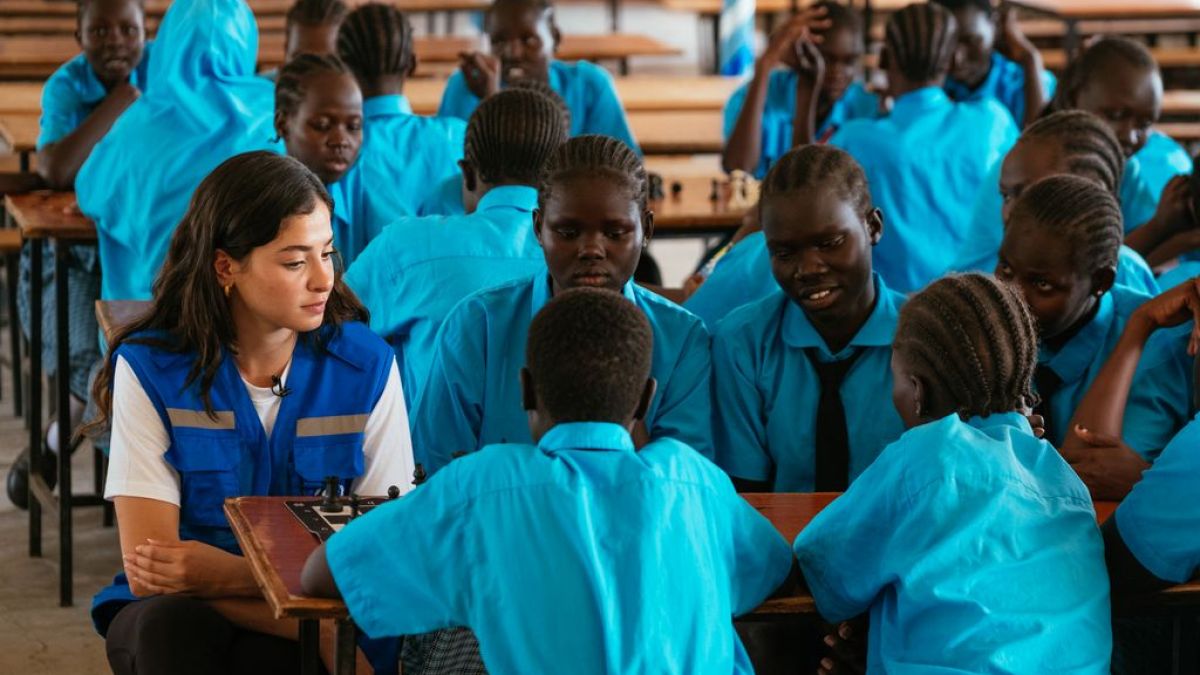
The Refugee Convention at 75 is drawing a public appeal from Yusra Mardini, the former Syrian refugee and UNHCR Global Goodwill Ambassador who says the international protection system must be defended. Mardini said the 1951 agreement gave her the chance to seek asylum, rebuild her life in Germany and later compete at two Olympic Games.
Mardini, writing on the anniversary year of the convention, linked the treaty’s protections to her own flight from Syria a decade ago. She said war destroyed the life she had known, forcing her to cross the Aegean Sea in an overcrowded inflatable boat after losing her home, education and sense of safety.
Her message comes as displacement remains at a scale she described as more than 120 million people forced from their homes by conflict, violence and persecution. Mardini said those figures should be understood as individual lives: children missing school, parents trying to hold families together and young people unsure whether they will get a future.
What is the 1951 Refugee Convention?
The 1951 Refugee Convention is an international agreement created after World War II to protect people fleeing persecution. Mardini said its central promise is that people forced to flee should be able to seek safety and should not be sent back into danger.
For Mardini, the convention was more than a legal framework. She said it gave her protection and a path to start again, while making clear that her later achievements came from opportunity rather than from the treaty itself.
Mardini competed at two Olympic Games and later became a Goodwill Ambassador for UNHCR, the UN Refugee Agency. She said becoming a refugee changed her circumstances, while leaving her identity as a swimmer, daughter and sister intact.
Mardini says refugees need more than survival
Mardini said her work with UNHCR has brought her into contact with families, children and young athletes who continue to hope despite war and displacement. She argued that refugees are too often described as numbers, political burdens or security risks, rather than as people with skills, ambitions and professions.
She also warned that hope alone does not protect people. According to Mardini, the refugee system is under heavy strain as conflicts last longer, new crises emerge and countries hosting large refugee populations carry responsibilities that she said should be shared more fairly.
Her appeal emphasized three principles: people should not be returned to danger, they should have a chance to seek safety, and refugees should be treated with dignity. Mardini described those principles as promises already made by the international community.
In early 2025, Mardini returned to Syria for the first time in 10 years. She said the trip brought reunions with relatives, visits to places from her childhood and a view of both the country’s remaining beauty and the damage left by war.
That return, she said, showed that going home requires more than crossing a border. Refugees need safety, functioning schools and hospitals, homes, jobs and confidence that they will not have to flee again.
Mardini said those conditions still do not exist for many refugees, which is why she believes the Refugee Convention remains essential 75 years after it was created. She said millions of displaced people have talent and determination, but need the same chance that allowed her to survive the journey, continue swimming and speak for others still waiting for protection.
This story draws on original reporting from Al Jazeera.