
Pentagon command rename fuels debate over India’s regional role
The US military’s return to the Pacific Command name has drawn scrutiny over what it signals for Washington’s South Asia policy.
By Daniel Okafor · Business Editor
3 min read
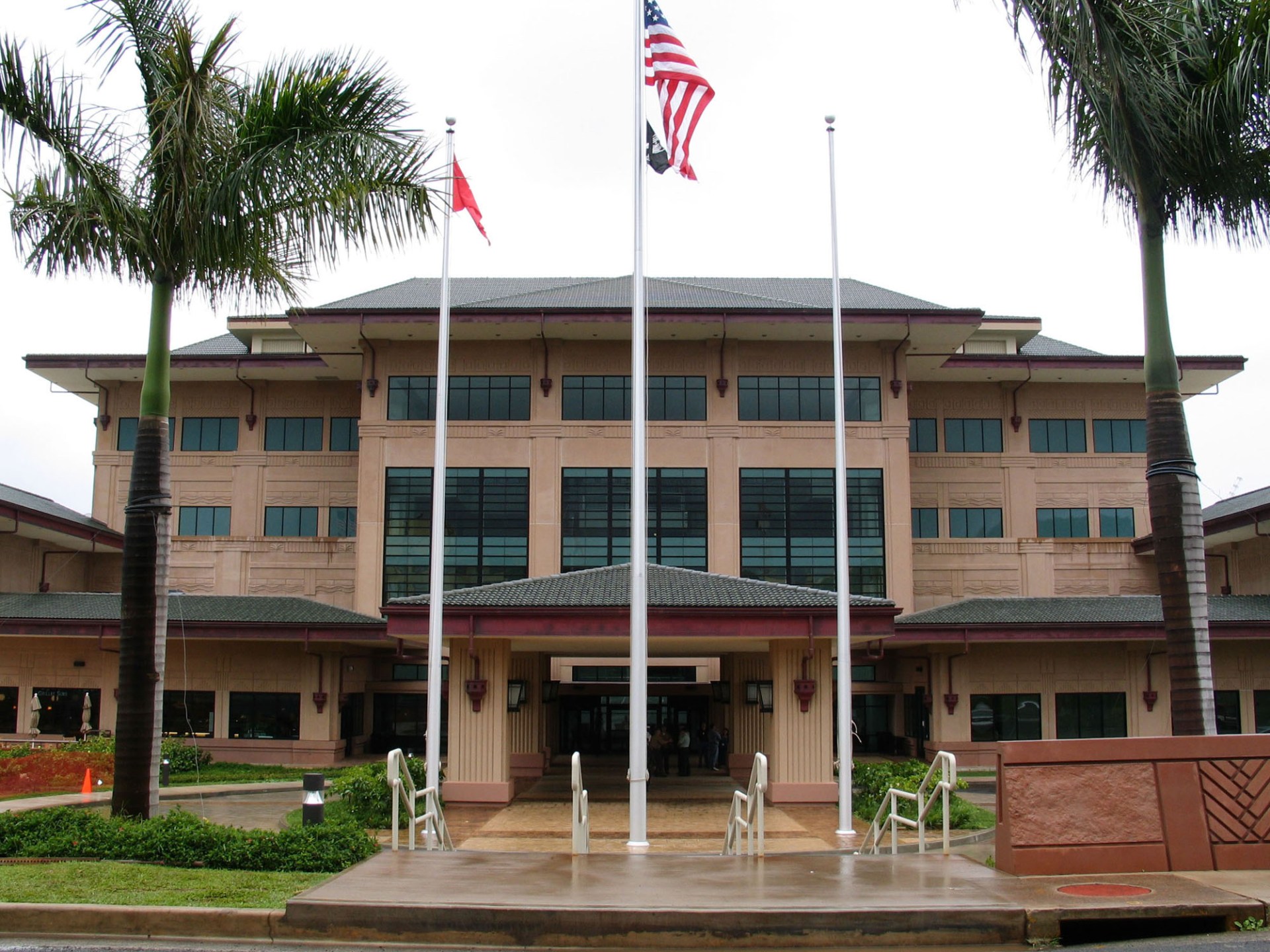
The US military’s decision last month to restore the Pacific Command name has become a flashpoint in debate over Washington’s ties with India and its wider South Asia strategy. The Pentagon said the change was a return to an earlier name and did not alter the command’s area of responsibility, but Al Jazeera columnist Nazmus Sakib argued the move carries political meaning.
The command had been renamed Indo-Pacific Command in 2018 during the first Trump administration. Then-Defense Secretary James Mattis described that change as recognition of the closer strategic link between the Pacific and India, using the phrase “from Bollywood to Hollywood, and from penguins to polar bears.”
Sakib wrote that dropping “Indo” from the name suggests Washington is moving away from a period in which India was treated as the central US partner for South Asia. He argued that the shift reflects a more direct US approach to Pakistan, Bangladesh and Nepal, rather than viewing those countries mainly through New Delhi’s regional priorities.
The symbolism drew attention in India. Shashi Tharoor, an Indian member of Parliament, responded on X by asking whether the change was “One more nail in the coffin of the Quad?”, referring to the grouping of the United States, Australia, India and Japan.
Sakib’s argument centers on a broader claim: that Washington no longer wants any single power, including India, to dominate South Asia. He wrote that US officials increasingly see India as both a strategic partner and a commercial competitor in areas such as pharmaceuticals, information technology, electronics manufacturing and semiconductors.
According to Sakib, the United States is also trying to avoid repeating what some mercantilist critics view as the post-Cold War mistake of enabling China’s rise at the expense of American interests. He argued that this concern now shapes how Washington thinks about India’s economic growth and regional influence.
Pakistan, in Sakib’s account, shows how the relationship is changing. He wrote that Islamabad is seeking to move beyond a US relationship centered on counterterrorism by presenting itself as a bridge between Gulf investment, American technology and Pacific economies seeking critical minerals.
Sakib pointed to Pakistan’s mineral resources, including the Reko Diq copper and gold deposits, as part of Islamabad’s pitch for a role in supply chains less dependent on China. He also wrote that Pakistan, through military-led outreach to circles around Trump and his family, obtained a 19 percent tariff and a US terrorist designation for the Balochistan Liberation Army.
Bangladesh is another focus of the analysis. Sakib described the country, with 170 million people and a position on the Bay of Bengal, as a manufacturing power near major sea routes, India’s northeast and Myanmar.
He argued that Bangladesh can pursue US investment, energy and technology ties while still buying Chinese equipment and trading with India. He also wrote that US involvement on Rohingya repatriation or a safe zone, potentially through the United Nations or sanctions pressure on Myanmar, could expand Washington’s influence in Dhaka.
Sakib concluded that India remains important to Washington because of its market, navy and technology sector. His central point was that the relationship is becoming more transactional, with South Asian governments cutting issue-by-issue deals rather than operating under an India-led regional order.
This story draws on original reporting from Al Jazeera.