
Pakistan says US and Iran have settled text for peace deal
Prime Minister Shehbaz Sharif said Islamabad is helping the US and Iran set next steps, while officials cautioned against reports on undisclosed terms.
By James Whitfield · Staff Writer
3 min read
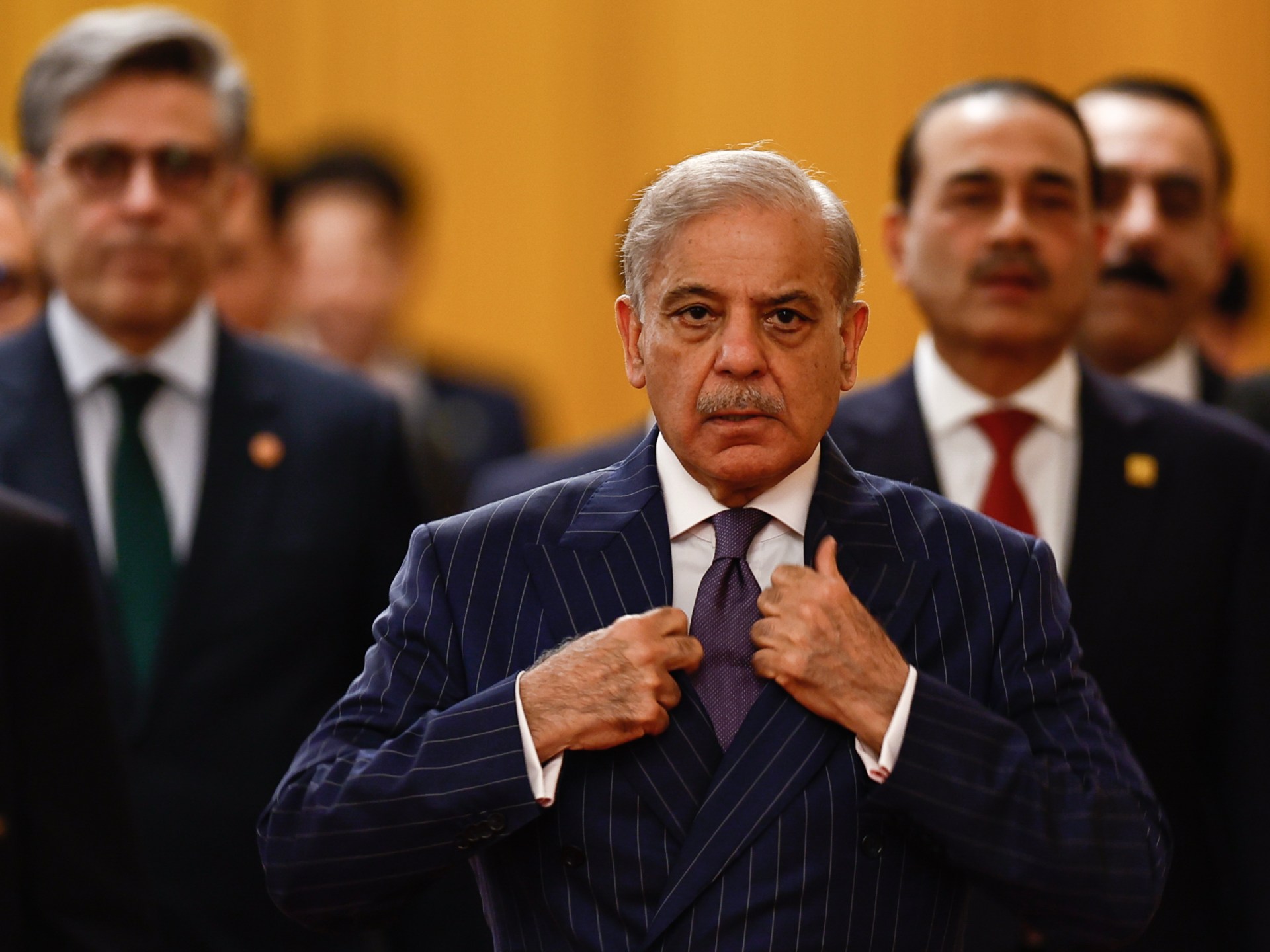
Pakistani Prime Minister Shehbaz Sharif said the United States and Iran have agreed on the final wording of a peace deal, a public signal that an accord may be close. The remarks matter because officials from both countries were also warning against reports about the deal’s contents, which have not been made public.
Sharif wrote on X that a “final, agreed upon text of the peace deal” had been reached between Washington and Tehran. He said Pakistan was working with both sides on what comes next and added that peace was closer than before.
Sharif’s statement followed comments from Iranian Foreign Minister Abbas Araghchi, who said an agreement had “never been closer.” Araghchi also urged media outlets not to speculate about the substance of the possible deal.
US President Donald Trump reposted Araghchi’s statement on Truth Social. Earlier, Trump had criticized reports that claimed to describe the terms of the agreement, according to Al Jazeera.
Disputed accounts of the terms
The details of the proposed agreement remain contested. Al Jazeera reported that Iran’s state news agency IRNA had described seven alleged main points of the deal, including claims that Iran had made no new concessions on its nuclear programme or its control of the Strait of Hormuz.
IRNA also reported that the agreement would immediately unfreeze some Iranian assets, according to Al Jazeera. Those claims were challenged by US officials.
A US official said the deal under discussion would require the dismantling of Iran’s nuclear programme, the destruction of nuclear material and the reopening of the Strait of Hormuz, according to Al Jazeera. The official rejected IRNA’s characterization of the emerging agreement.
US Vice President JD Vance also disputed the claim that Iranian assets would be released right away. In a post on X, Vance wrote that the structure of the deal was designed to put the concerns of the United States and its allies first.
Vance said economic benefits would follow for Iran and the wider region if the Islamic Republic met its obligations. He also said the deal could reshape the region and support lasting peace.
Pakistan’s role
Sharif did not describe Pakistan’s role in detail beyond saying Islamabad was working closely with both parties to finalize next steps. He did not publish the text of the agreement or give a timetable for any announcement.
Neither the United States nor Iran had publicly released the terms of the proposed deal in the accounts reported by Al Jazeera. The competing statements left the status of the agreement clear in one respect: senior officials were signaling progress while trying to control expectations about what the deal contains.
This story draws on original reporting from Al Jazeera.