
Trump says oil ships are resuming passage through Strait of Hormuz
Trump said vessels are moving again after the US and Iran outlined a tentative deal, but mines and insurance concerns could slow a full reopening.
By Lucas Ferreira · Science & Environment Writer
3 min read
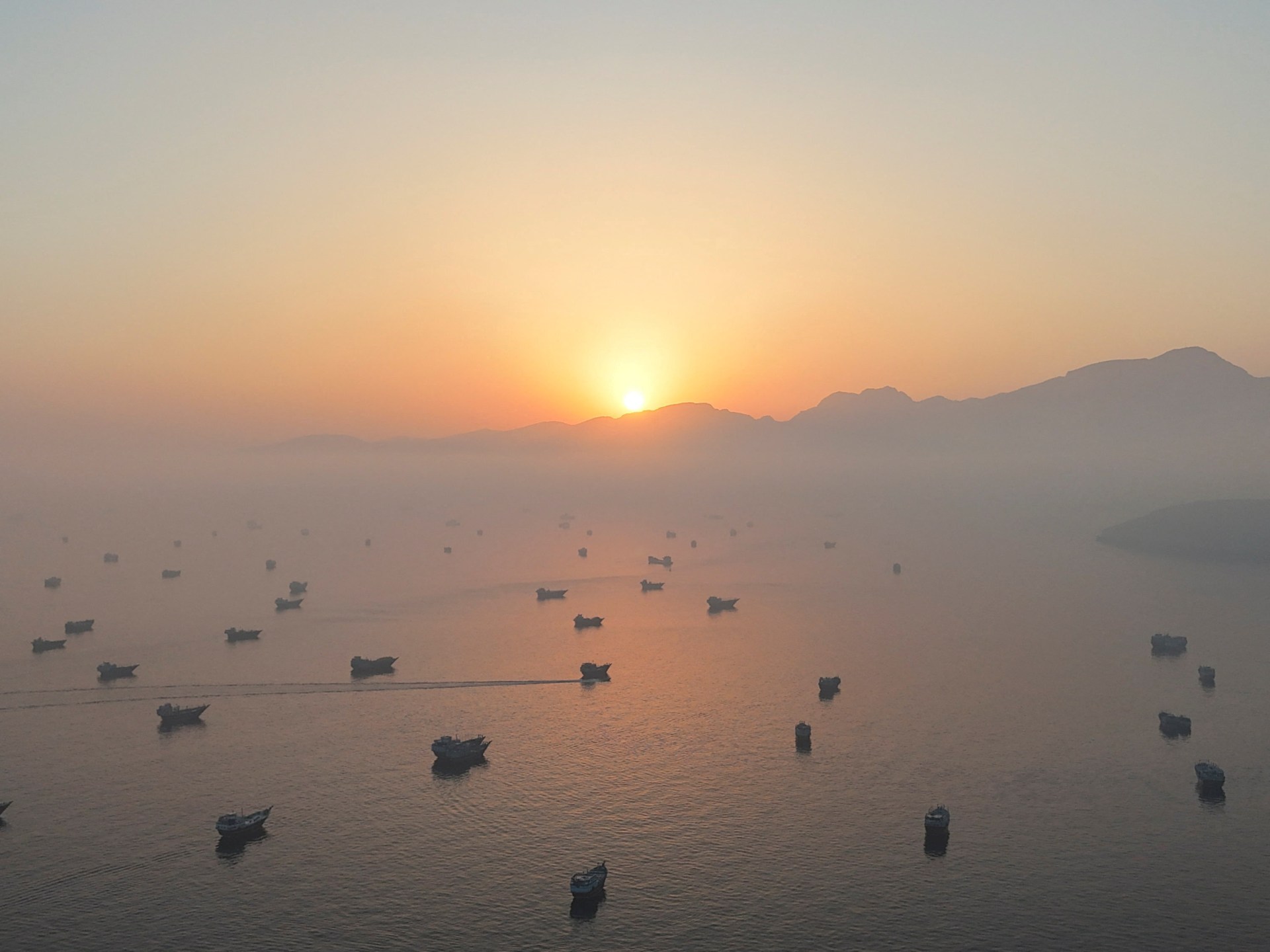
US President Donald Trump said Monday that ships have begun moving through the Strait of Hormuz, a key oil route whose closure has left hundreds of vessels waiting. The claim followed announcements by the United States and Iran that they plan to sign a memorandum of understanding aimed at ending the US-Israeli war with Iran.
Al Jazeera reported that no official text of the agreement has been released. Both sides have said the initial arrangement would reopen the strait, end the US naval blockade of Iranian ports and halt fighting on all fronts.
Trump wrote that “ships are starting to move” through the waterway, including many carrying oil. He said vessels were using a southern route through Oman’s territorial waters, which he described as safe and secure.
That route has drawn concern because of maritime mines, according to Al Jazeera. Trump also said there were other areas available for shipping traffic.
Full reopening could take time
Oil markets rose after signals of progress toward a deal, Al Jazeera reported. Even so, a full return to regular operations in the strait is expected to take months if the waterway is fully reopened.
Shipping and maritime security officials told Reuters on Monday that mine-sweeping work could continue for 40 to 50 days before many insurers and shipping firms are prepared to allow passage through the route. Some companies have indicated they may resume transits sooner.
The International Chamber of Shipping has said about 500 ships are waiting to pass through the strait. The group also said about 20,000 crew members are stranded.
Trump has said he plans to discuss de-mining at the Group of Seven summit, which began Monday in France. The UN’s International Maritime Organization has recorded 46 US and Iranian attacks on international shipping lines during the conflict, according to Al Jazeera.
Tolls and control remain unresolved
Major questions remain over how the strait would be administered after any reopening. Al Jazeera reported that official details of the plan have not been released.
The Strait of Hormuz had been open before the US and Israel began attacks on Iran on February 28, according to Al Jazeera. Experts cited by the outlet said the war has underscored Iran’s ability to use the waterway as leverage, including by closing it or charging tolls.
US Vice President JD Vance told CNBC on Monday that he expected the strait to be opened “in a toll-free way for the long term.” He said the matter would be handled in technical negotiations.
Iran’s Foreign Ministry spokesman, Esmaeil Baghaei, signaled a different position. He said Monday that “fees” would be charged and said Iran wanted to create conditions for secure passage through the waterway.
Baghaei said more time was needed to discuss the issue with other parties. Under the tentative framework described by both sides, deeper disputes — including Iran’s nuclear program, sanctions, frozen Iranian assets and Tehran’s support for regional proxies — are expected to be addressed during a 60-day negotiation period.
This story draws on original reporting from Al Jazeera.