
OPEC+ producers set August supply increase as crude prices fall
Seven producers said they will add 188,000 barrels a day after market talks, with Brent back near levels seen before the Iran war.
By Daniel Okafor · Business Editor
3 min read
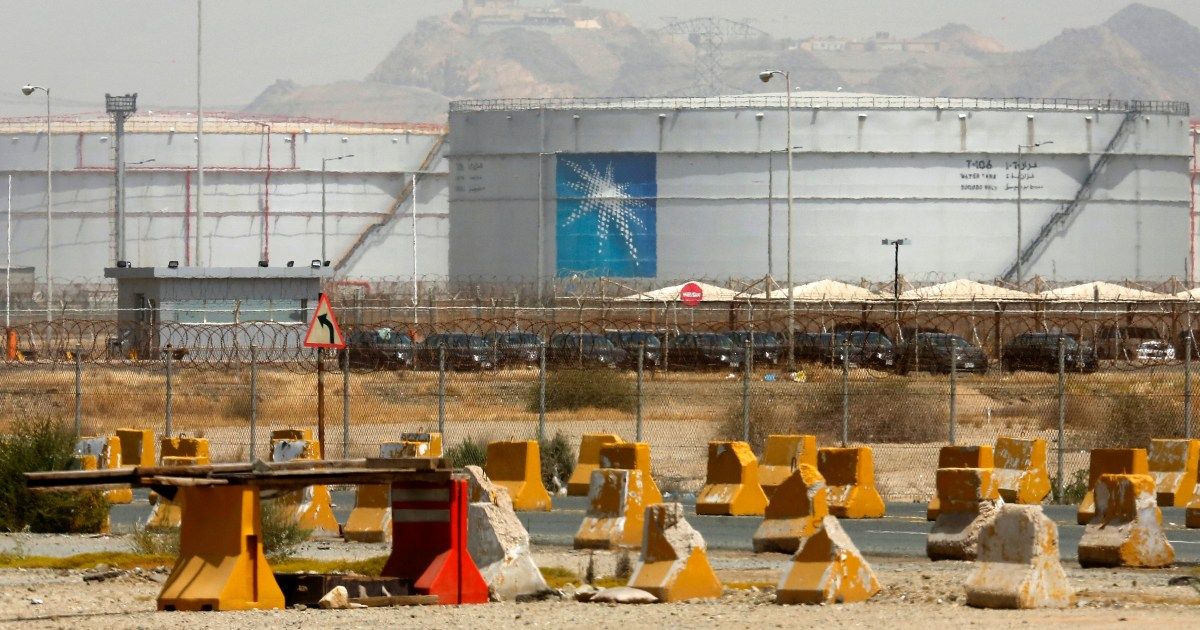
Seven OPEC+ producers plan to increase oil output in August, adding supply as energy markets show signs of recovering from the US-Israel war on Iran. OPEC+ said Saudi Arabia, Russia, Iraq, Kuwait, Kazakhstan, Algeria and Oman agreed after a virtual meeting to raise production by 188,000 barrels per day.
The group said the officials met to review market conditions and the outlook for oil demand and supply. According to OPEC+, the planned August rise is the fifth monthly increase by the seven producers, extending their gradual rollback of voluntary cuts first announced in 2023.
OPEC+ brings together the Organization of the Petroleum Exporting Countries and allied producers including Russia, Bahrain and Oman, according to Al Jazeera. The alliance reduced output in April 2023 and again in November 2023 after bank failures helped trigger a sell-off in oil and other commodities, Al Jazeera reported.
OPEC+ said the countries would keep a cautious stance and retain the option to increase, pause or reverse the unwinding of their voluntary production curbs. The seven producers are due to meet again on August 2, according to the organization.
Brent crude briefly climbed above $126 a barrel in April, according to Al Jazeera, before falling in recent days as expectations rose for a lasting end to the Iran conflict and a resumption of more normal shipping through the Strait of Hormuz. September Brent futures stood at $72 at 02:01 GMT on Monday, below the $72.48 settlement recorded on February 27, the day before the United States and Israel launched strikes on Iran, Al Jazeera reported.
Shipping through the Strait of Hormuz has increased since US President Donald Trump and Iranian President Masoud Pezeshkian signed a memorandum of understanding on June 17 to end the war, according to Al Jazeera. MarineTraffic data cited by Al Jazeera showed 38 confirmed transits on July 2, down from 48 a day earlier and still far below the roughly 130 daily crossings before the conflict.
Al Jazeera reported that Iran’s effective closure of the strait had blocked a route that carried about one-fifth of global oil and liquefied natural gas supplies before the war. The disruption forced OPEC+ producers to cut output as unsold crude filled regional storage, according to the report.
OPEC data cited by Al Jazeera showed total OPEC+ production fell to 33.13 million barrels per day in May from 42.77 million barrels per day in February. The scale of the drop means the new production quotas may not immediately translate into equivalent additional barrels reaching the market, according to Fabien Yip, a market analyst at IG in Sydney.
Yip told Al Jazeera the latest increase is largely a formal adjustment because physical supply has been held back for months by the Strait of Hormuz blockade. He said the easing of that constraint is helping push prices lower.
Yip also told Al Jazeera that Saudi Arabia has shipped more oil since June 17 than in the previous three months combined, while Iran has moved close to 50 million barrels of crude to market since the lifting of the US naval blockade of Iranian ports. He said those flows, combined with weaker Chinese demand and higher exports from the United States and Russia, point to a near-term oversupply.
This story draws on original reporting from Al Jazeera.