
US sanctions Rwandan firms over alleged mineral links to M23 rebels
Washington says gold and mining networks in Rwanda are helping fund M23, increasing pressure over the war in eastern DR Congo.
By James Whitfield · Staff Writer
3 min read
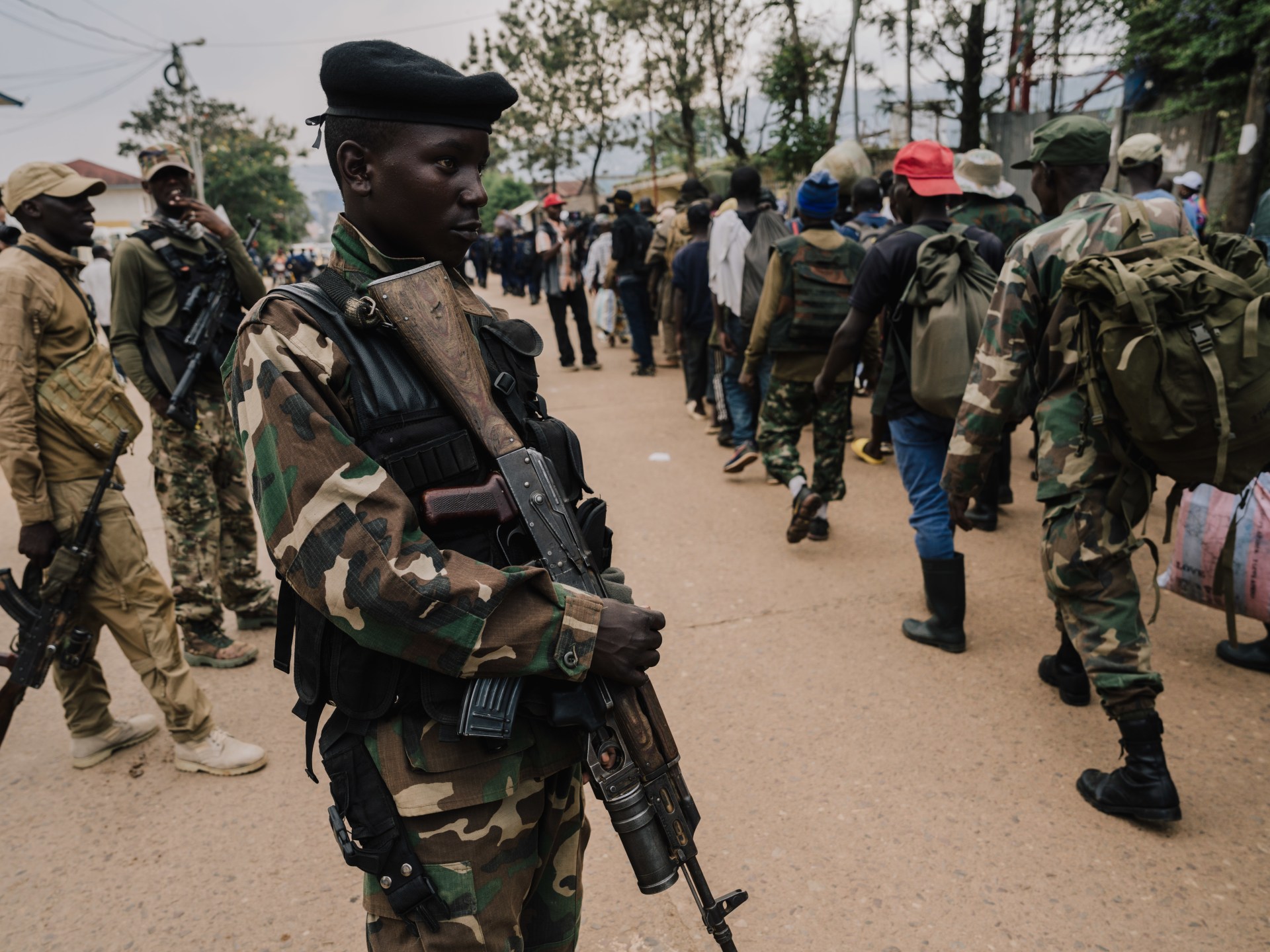
The United States has imposed sanctions on two Rwandan business executives and four Rwanda-based companies over alleged links to mineral smuggling that Washington says helps finance the M23 rebellion in eastern Democratic Republic of the Congo. The measures add pressure on Rwanda and on regional mineral supply chains tied to a conflict that has displaced civilians and drawn scrutiny from the United Nations and rights groups.
The US Department of the Treasury said the sanctions target networks moving minerals out of the DRC to support M23, which it describes as Rwandan-backed. The department said in a June 25 statement that M23 and its supporters use Congolese mineral wealth to buy weapons, pay fighters and sustain an insurgency that has worsened a humanitarian crisis.
The sanctioned individuals are Jean Malic Kalima, chairman of Gasabo Gold Refinery, and Bosco Kayobotsi, the company’s managing director, according to the Treasury. The companies named are Gasabo Gold Refinery Ltd, Bugambira Mines Ltd, Wolfram Mining and Processing Ltd and Rwinkwavu Mining Corporation Ltd, all based in Rwanda.
Minerals at the centre of the war
Dady Saleh, an economist in Kinshasa, told Al Jazeera that fighting in eastern DRC has been shaped for decades by control of natural resources. He said the wars in the region over the past 30 years are primarily economic and argued that outside powers often act on strategic economic interests in conflict zones.
The Treasury said the DRC’s mineral reserves should support development instead of armed groups. It said stopping illicit flows would help legitimate mining and protect supplies of critical minerals used by global industries.
Saleh told Al Jazeera that the new measures may show a change in how foreign governments treat Kigali. He said Congo’s resources have been looted for decades and that the plunder has grown through proxy actors.
In Goma, North Kivu’s provincial capital, resident Nestor Sadiki told Al Jazeera that many Congolese see the sanctions as overdue recognition of Rwanda’s conduct. He said Congolese communities have suffered because of resources found on their land.
Rwanda denies the accusations
Rwandan officials reject allegations that Kigali supports armed groups or participates in mineral trafficking. Foreign Minister Olivier Nduhungirehe called the US measures biased and unjustified, saying sanctions alone cannot end the conflict and that peace requires shared regional responsibility.
Those denials conflict with findings cited by Al Jazeera from UN experts and Global Witness. The UK-based organisation says its research has linked mines in eastern DRC to regional export networks and alleged that a limited number of companies control a significant share of shipments.
Global Witness also says smuggled minerals may pass into international electronics supply chains. According to the UN Panel of Experts, large quantities of coltan have continued to move each month from Rubaya into Rwanda since M23 took control of the mine in 2024.
Kinshasa welcomes the move
The Congolese government welcomed the sanctions, saying they support its longstanding claims that Rwanda benefits from minerals taken from rebel-held areas. Government spokesperson Patrick Muyaya accused Rwanda on X of acting as a plunderer, broker and receiver of resources extracted through violence, and said the sanctions had disrupted what he called state-backed theft.
M23 denies profiting from mining. Kambere Muyisa Lumumba, spokesperson for the AFC-appointed governor based in Goma, told Al Jazeera that local miners sell minerals on their own while M23 fighters provide security near mining sites. He said the movement is focused on security and institutions, and accused Kinshasa of using mineral allegations to distract from setbacks.
Saleh said sanctions should be seen alongside wider geopolitical interests in the region. He told Al Jazeera that the DRC cannot rely on Washington alone and that Congolese leaders must take responsibility for the country’s long-term direction.
This story draws on original reporting from Al Jazeera.