
Oil futures fall after Trump says Iran deal is complete
Crude prices slid as traders reacted to Trump’s claim that a deal with Iran will reopen the Strait of Hormuz after signing Friday.
By Sofia Marchetti · World Affairs Correspondent
3 min read
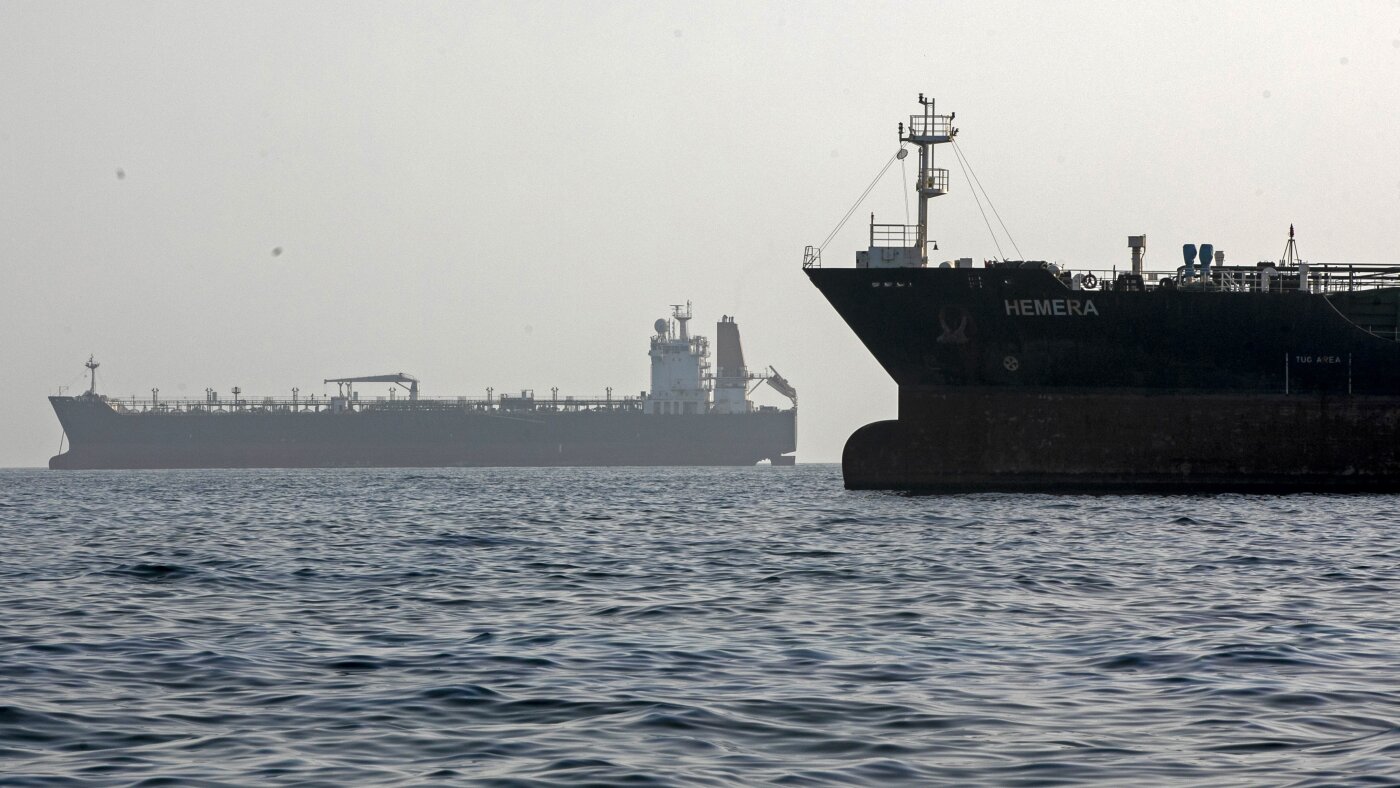
Oil futures fell Sunday night after President Trump said on social media that a deal to end the war with Iran was complete, NPR reported. The move matters for energy markets because the conflict has disrupted traffic through the Strait of Hormuz, a key route for global oil and liquefied natural gas shipments.
Futures prices dropped 4% when trading resumed after the weekend break, according to NPR. Oil had already declined Thursday and Friday as traders anticipated an agreement, leaving crude prices Sunday night about 12% below their level in the middle of the previous week.
Brent crude, the international benchmark, traded below $84 a barrel, while West Texas Intermediate, the U.S. benchmark, was below $81, NPR reported. During the conflict, global crude prices had reached $126 a barrel. Prices remain above prewar levels, which NPR said were in the $60s, but are lower than at any time since the earliest days of the war.
Trump wrote Sunday evening that he was authorizing what he called the “toll free opening of the Strait of Hormuz” and told ships to “start your engines.” In a later post, he said the strait would reopen after the deal is signed Friday for mine-removal work.
Before the war, about 20% of the world’s oil and liquefied natural gas moved through the Strait of Hormuz, NPR reported. The disruption to that traffic has strained supplies and helped push up energy prices.
Oil markets have reacted before to reports of a possible deal to reopen the strait, with prices falling on expectations of restored flows, NPR reported. This time, prices moved lower after Pakistan’s Prime Minister Shehbaz Sharif, who NPR said has played a central role in talks between the U.S. and Iran, confirmed that an agreement had been reached.
A reopening would reduce pressure on oil consumers, especially in Asia and Europe, according to NPR. It would not immediately restore energy flows or prices to prewar conditions.
Kevin Book, managing director at the independent research firm Clearview Energy Partners, told NPR that it could take months for flows through the Strait of Hormuz to resemble prewar levels. He said some oil and gas fields and refineries were shut down or damaged during the conflict.
“The facilities that have been shut down, some of them can start fairly quickly,” Book told NPR. “Others may take months.”
Shipping delays are also a factor. NPR reported that vessels must move through the strait and then travel onward to markets around the world, which limits how quickly supply can reach buyers.
The war has also led countries to draw down oil stockpiles to replace missing supply, according to NPR. Rebuilding those inventories could keep prices under pressure for months, even if the waterway reopens.
Before the conflict began, global oil markets were oversupplied, helping keep crude prices low, NPR reported. Book said it remains uncertain whether a return to more normal shipping patterns would also bring back that surplus. “It’s not obvious that we’ll be in a surplus any time soon,” he told NPR.
This story draws on original reporting from NPR.