
Oil falls as Hormuz traffic resumes and supply fears ease
Brent and WTI dropped to their lowest levels since February as traders weighed higher Middle East flows against demand concerns.
By Daniel Okafor · Business Editor
2 min read
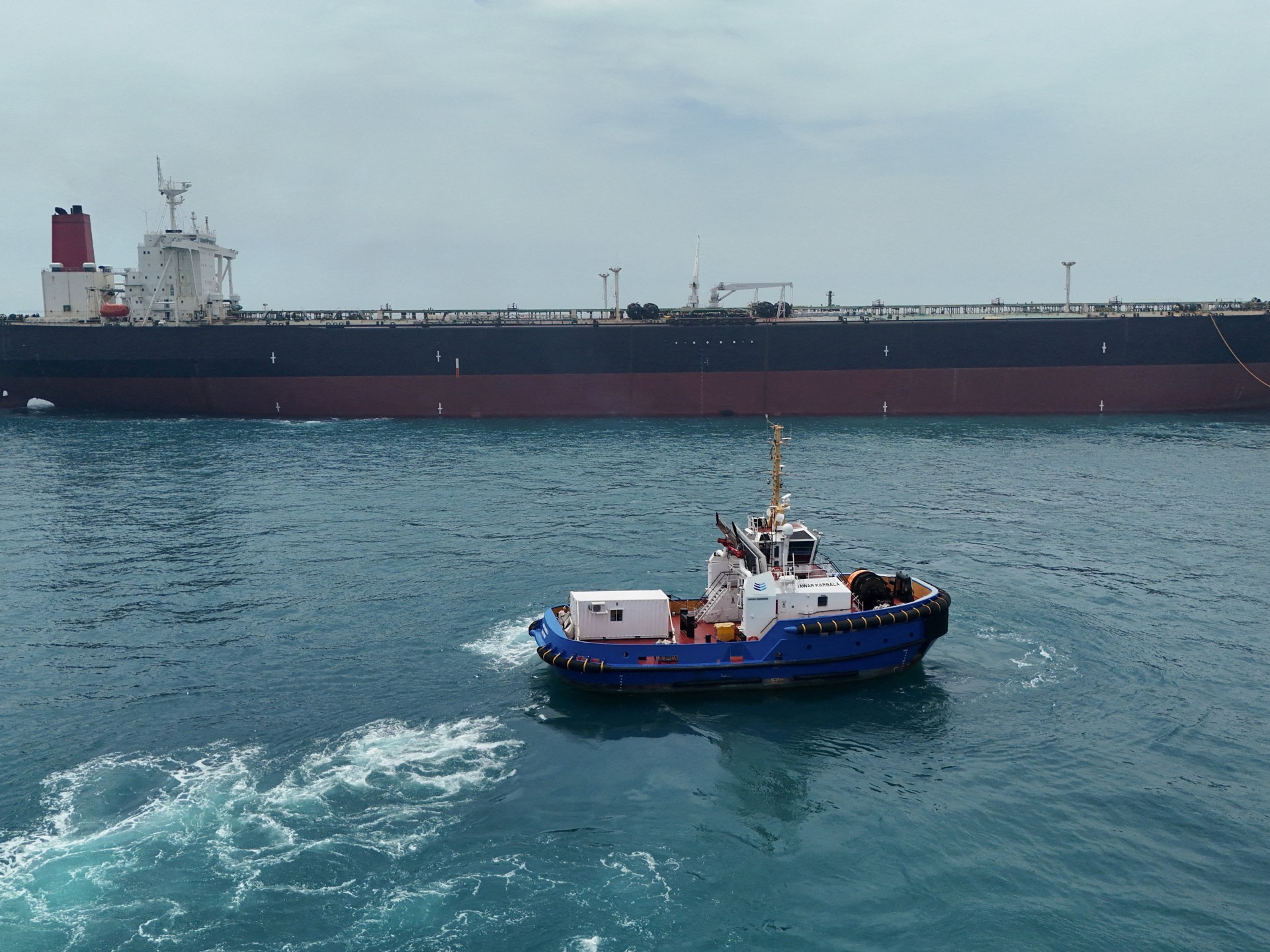
Oil prices fell back to levels last seen before the Iran war as traders focused on rising Middle East supply, AFP and Reuters reported. The decline points to easing concern over near-term crude availability after an initial accord reopened traffic through the Strait of Hormuz.
By 06:39 GMT on Thursday, August Brent crude futures were down $1.06, or 1.44%, at $72.68 a barrel, according to market data cited by AFP and Reuters. US West Texas Intermediate dropped 76 cents, or 1.08%, to $69.58 a barrel.
Both benchmarks touched their lowest levels since February 27, AFP and Reuters reported. Brent had already fallen by more than $3 on Wednesday as supply worries eased, while WTI finished that session nearly $3 lower.
Market pricing also pointed to looser prompt supply. AFP and Reuters reported that August Brent traded below the September contract, which stood at $73.59.
Hormuz flows near pre-war pace
US Energy Secretary Chris Wright said at a forum that crude movements through the Strait of Hormuz were close to levels seen before the Iran war, according to AFP and Reuters. He said at least 20 million barrels had passed out of the waterway in the previous 24 hours.
Wright said a full return to normal operations would still take several weeks because mines had to be cleared from the strait, AFP and Reuters reported. He also said oil would keep moving through the route even if the deal failed, adding that Iran would not be able to close it again.
The Strait of Hormuz is a key route for Middle East oil exports, and the resumption of traffic followed an initial agreement last week to end the US-Israeli war with Iran, which began on February 28, according to AFP and Reuters. The agreement opened a 60-day negotiation period on harder disputes, including Iran’s nuclear programme.
Rising regional supply and expectations that Iran would increase sales after a temporary easing of US sanctions pushed down prices for physical crude cargoes worldwide, AFP and Reuters reported.
Temporary routes draw Iranian warning
Oman opened temporary routes on Wednesday to help tankers leave the strait, with the International Maritime Organization and Omani authorities coordinating vessel movements, AFP and Reuters reported.
Iran has said it plans to impose what it describes as maritime service fees rather than tolls, according to AFP and Reuters. The United States says the strait is an international waterway and should not be subject to such charges.
Iran’s Revolutionary Guards warned on Thursday against crossings of the Strait of Hormuz without authorisation, AFP and Reuters reported. The Guards said vessels that failed to comply “will be dealt with” and criticised the new routes.
This story draws on original reporting from Al Jazeera.