
NATO allies split over US call to help secure Strait of Hormuz
European allies rejected a US request for help securing the Strait of Hormuz as NATO leaders met in Ankara, Al Jazeera reported.
By James Whitfield · Staff Writer
2 min read
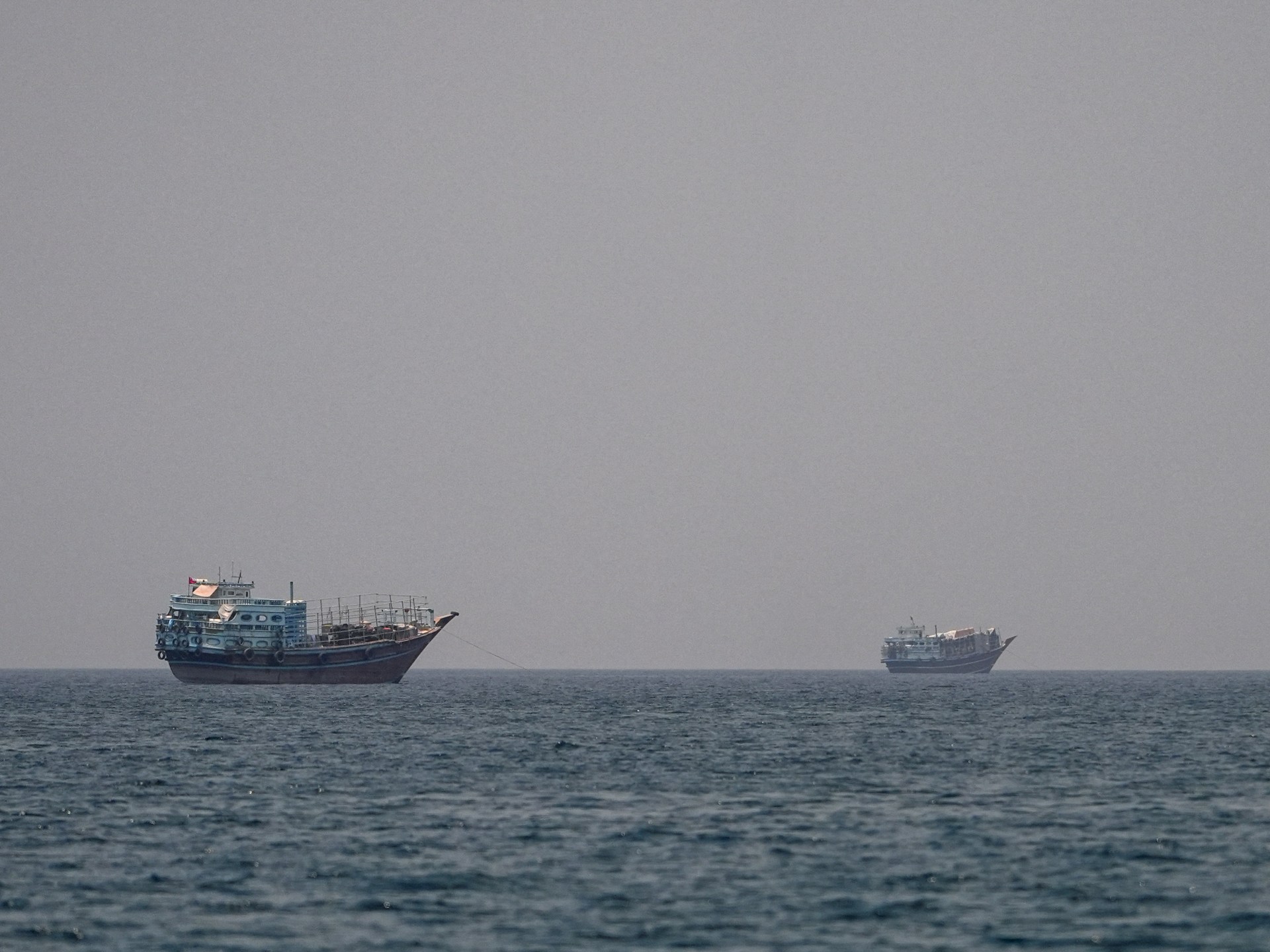
NATO leaders met in Ankara with defence spending and Ukraine support on the formal agenda, but Al Jazeera reported that the US-Israel war on Iran dominated the summit’s political backdrop. The dispute matters because Washington asked European allies to help secure the Strait of Hormuz, a key shipping route that Al Jazeera said Iran had effectively closed for months.
According to Al Jazeera, the summit in Turkiye was set up to address higher defence investment by alliance members and long-term military backing for Ukraine. Those issues were overshadowed by the war on Iran and by the question of whether NATO members would play any role in keeping the Strait of Hormuz open.
The Strait of Hormuz was described by Al Jazeera as a vital waterway. Before the summit, the United States called on its European allies to assist in securing it, Al Jazeera reported.
European allies refused the request, according to Al Jazeera. Some argued that the war did not concern NATO as a bloc, creating a visible divide between the United States and other members of the alliance.
Question before the alliance
Al Jazeera framed the dispute as one of the central issues facing NATO leaders in Ankara: whether the alliance could bridge the gap between Washington’s request and European reluctance to become involved in security operations tied to the Strait of Hormuz.
The programme was presented by Adrian Finighan and featured David Des Roches, a professor at the Thayer Marshall Institute and former NATO operations director in the Office of the US Secretary of Defense; Alam Saleh, a senior lecturer of Iranian studies at Australian National University; and Patrick Bury, a defence and security specialist at the University of Bath and former NATO analyst.
Al Jazeera also reported that NATO’s Ukraine policy remained part of the summit context. Its related coverage said the alliance pledged 70 billion euros for Ukraine while US President Donald Trump praised what he called peace “progress.”
The Ankara meeting therefore put two pressures on NATO at once, according to Al Jazeera’s account: maintaining support for Ukraine while addressing a US request linked to the Strait of Hormuz and the wider war involving Iran. The European refusal showed that members were not aligned on whether securing the waterway should become a NATO matter.
This story draws on original reporting from Al Jazeera.