
MPs set to debate inquiry call over Israeli lobbying in UK politics
A petition with more than 118,000 signatures has forced a Westminster debate, though the Labour government says existing lobbying rules are enough.
By James Whitfield · Staff Writer
4 min read
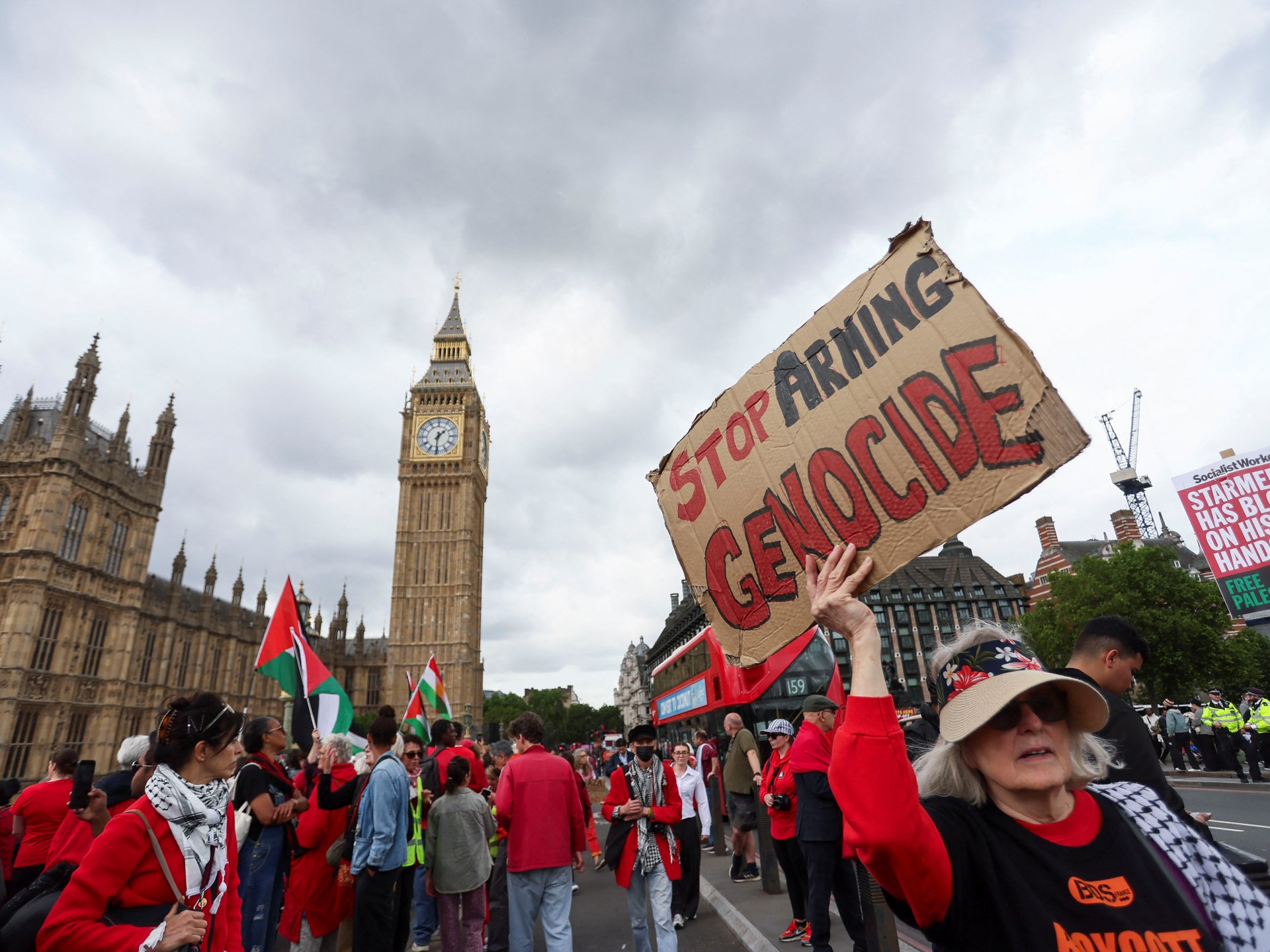
British MPs are expected to debate on Monday whether the government should investigate Israeli state-linked and pro-Israel lobbying in UK politics. The issue reached Parliament after an official petition passed the 100,000-signature threshold, putting allegations about outside influence on policy and public debate onto Westminster’s agenda.
The petition, started on January 28 by Andy Kalil, had 118,306 signatures, according to the UK Parliament petitions website. It says supporters want the “scope and impact” of reported Israeli state-linked and pro-Israel lobbying activity examined, citing Gaza, the West Bank and Britain’s political response as reasons for scrutiny.
The Labour government rejected the call in an April 17 response. It said Britain already has “an existing framework for transparency around lobbying of the UK government and Parliament.”
How the petition reached Parliament
Under Parliament’s petition process, petitions that collect more than 100,000 signatures are put forward for debate. The debate is expected to be broadcast on Parliament’s YouTube channel.
Kalil told The New Arab in March that he drafted the petition after seeing one about Russian influence in British politics and reading comments asking about Zionist influence. He said the response had been a collective effort and that he was grateful to people who signed and shared it.
Kalil also told The New Arab he had tried two earlier petitions: one calling for aid flotillas to Gaza, which did not succeed, and another asking the UK government to recognise Israel’s war in Gaza as genocide, which he said was blocked.
Lobbying groups and funding claims
Track Israel Lobby UK and Declassified UK identify several pro-Israel organisations active around British politics, including Conservative Friends of Israel, Labour Friends of Israel and Liberal Democrats Friends of Israel. They also list groups such as Elnet UK, Yachad, the European Jewish Association and programmes linked to Israel’s Ministry of Foreign Affairs.
Declassified UK reported in July 2024 that pro-Israel lobby groups and donors had provided more than 300,000 pounds, or about $397,000, to current and former Labour figures. The outlet said seven members of Prime Minister Keir Starmer’s cabinet had accepted Labour Friends of Israel funding for visits to Israel, while Starmer had not accepted such funding but had spoken at the group’s events.
Declassified UK also reported that Trevor Chinn, described as a pro-Israel lobbyist and British multimillionaire, donated 50,000 pounds, or about $66,000, to Starmer’s 2020 Labour leadership campaign. In a separate 2021 report, the outlet said 23 members of Boris Johnson’s cabinet had received funding from Israel lobby groups for trips to Israel or Washington while serving as MPs, with declared support totalling at least 14,000 pounds.
Past scrutiny of influence
Lobbying over Israel has drawn previous media investigations. A 2009 Channel 4 Dispatches documentary reported that Lord Kalms, a Conservative Friends of Israel member and major Conservative donor, threatened to withdraw funding from William Hague after Hague criticised Israel’s use of force in Lebanon in 2006.
An Al Jazeera investigation in 2017 reported that Labour figures who challenged pro-Israel policies were described as antisemitic by people in networks involving activists, politicians and Israeli embassy officials. The investigation cited the case of Jackie Walker, a Black British Jewish Labour activist who was later suspended from the party pending investigation.
Labour suspended former leader Jeremy Corbyn in 2020 after the Equality and Human Rights Commission found serious failings in the party’s handling of antisemitism complaints. Corbyn said at the time that antisemitism existed in Labour and should have been addressed faster, while also saying he did not accept all of the commission’s findings.
What may follow
The debate does not by itself require the government to open an inquiry. Christopher Featherstone, an associate lecturer in politics at the University of York, told Al Jazeera that any investigation into lobbying could create political difficulties and would likely draw criticism from Israel.
Featherstone also said such an inquiry could attract attention from the United States, though he added that US condemnation was not guaranteed because President Donald Trump had recently criticised Israeli Prime Minister Benjamin Netanyahu.
This story draws on original reporting from Al Jazeera.