
Mother files wrongful death suit over daughter’s ChatGPT use
The lawsuit alleges OpenAI failed to act after Alice Carrier discussed suicide with ChatGPT dozens of times before her death.
By Daniel Okafor · Business Editor
3 min read
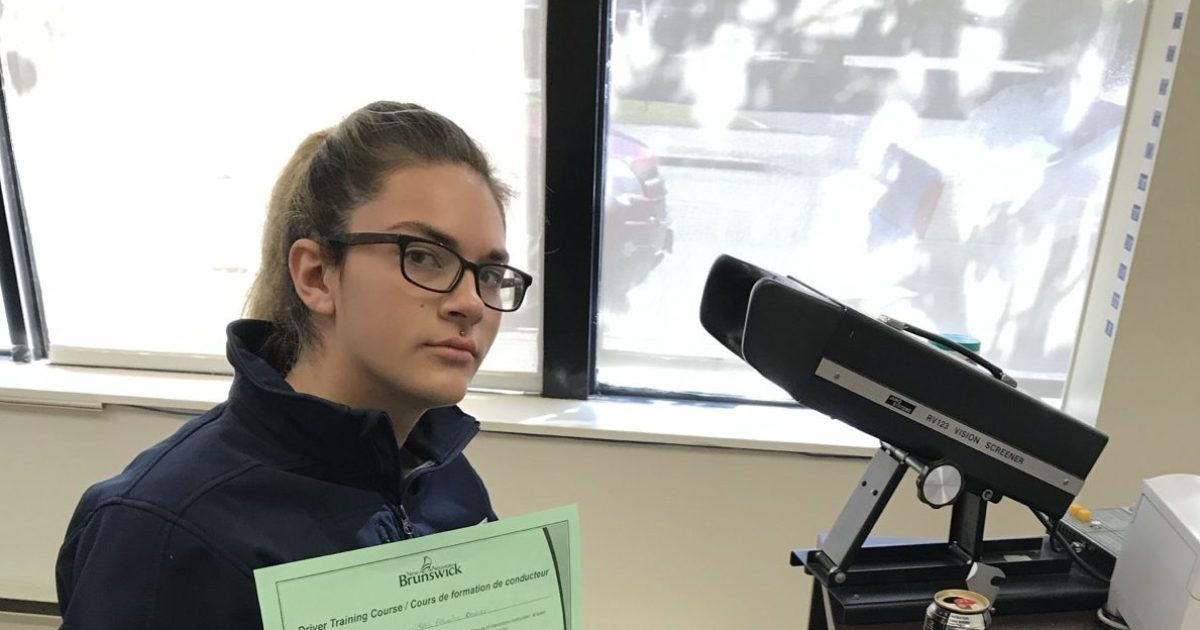
The mother of 24-year-old Alice Carrier has filed a wrongful death lawsuit against OpenAI and CEO Sam Altman, alleging ChatGPT failed to respond safely as her daughter discussed suicide. The case adds to mounting legal and legislative scrutiny of how AI chatbots handle users in crisis.
Tech Justice Law, the Social Media Victims Law Center and Susman Godfrey filed the 44-page complaint Thursday in a California court on behalf of Kristie Carrier, according to Al Jazeera. Attorneys for Carrier told Al Jazeera the case is one of 19 lawsuits now facing OpenAI.
Alice Carrier, who worked as a web developer in Montreal, died on July 2, 2025, according to the complaint and her mother’s account to Al Jazeera. Kristie Carrier said her daughter had been taking medication and seeing a therapist, but had also spent months confiding in ChatGPT.
The complaint says Alice first used ChatGPT in 2023 for help with computers and gaming consoles, then began treating the chatbot as a confidant while feeling lonely and unloved. Her lawyers allege she discussed self-harm with ChatGPT more than 40 times before her death.
Kristie Carrier told Al Jazeera that she did not see signs of immediate danger. She said she exchanged text messages with her daughter about childhood cartoons hours before Alice died, and later reviewed Alice’s devices while seeking answers.
Claims against OpenAI
The lawsuit alleges OpenAI’s safety team failed to intervene despite warning signs and did not alert Alice’s family or crisis services. The complaint says ChatGPT at one point suggested a crisis hotline, then discouraged that option after Alice resisted it.
Carrier’s lawyers argue that OpenAI’s GPT-4o model was designed to keep users engaged through overly agreeable responses and simulated empathy. The complaint says that design led vulnerable users, including Alice, to place misplaced trust in the chatbot.
The lawsuit also alleges ChatGPT responded to Alice’s questions about dangerous use of the antipsychotic medication Seroquel in ways that failed to protect her. The complaint accuses OpenAI of failing to warn users about risks tied to the technology.
Carrier is seeking punitive damages in an amount to be set at trial, according to the complaint. The suit also asks for changes including ending self-harm conversations and deleting training material drawn from conversations with vulnerable users where safeguards were not adequate.
OpenAI response
OpenAI said in an April 2025 statement that it had removed an update it described as too flattering or agreeable, according to Al Jazeera. The lawsuit says Alice’s death occurred after that change.
After Alice’s death, OpenAI released an October report saying its newer GPT-5 model had improved responses in sensitive conversations, according to the company. OpenAI said GPT-5 reduced “undesired answers” by 52 percent and that it consulted 170 mental health experts.
Drew Pusateri, an OpenAI spokesperson, told Al Jazeera the company was reviewing the filing and said the interactions described involved an older version of ChatGPT that is no longer available. “Our safeguards are designed to identify distress, safely handle harmful requests and guide users to real-world help,” Pusateri said.
Wider scrutiny
Other legal actions have accused OpenAI of failing users in crisis, according to Al Jazeera. A January lawsuit filed by the mother of Colorado resident Austin Gordon alleged ChatGPT acted as a “suicide coach” before his death, while families of victims in a Canadian school shooting filed suit in April after The Wall Street Journal reported that OpenAI employees had debated whether to intervene in the user’s flagged conversations.
Lawmakers have begun proposing rules for AI chatbots. Al Jazeera reported that a Canadian digital safety bill would require more transparency around crisis reporting, Washington state has enacted a law requiring chatbots to remind users they are not human every three hours beginning in 2027, and a federal bill from Representative Mike Lawler would require companies to notify parents when minors discuss suicidal thoughts with chatbots.
This story draws on original reporting from Al Jazeera.