
Mourners honor Lebanese sea turtle advocate who died after Israeli strike
Mona Khalil, 77, spent decades protecting turtles in south Lebanon before an Israeli strike wounded her at home, Al Jazeera and AP reported.
By James Whitfield · Staff Writer
3 min read
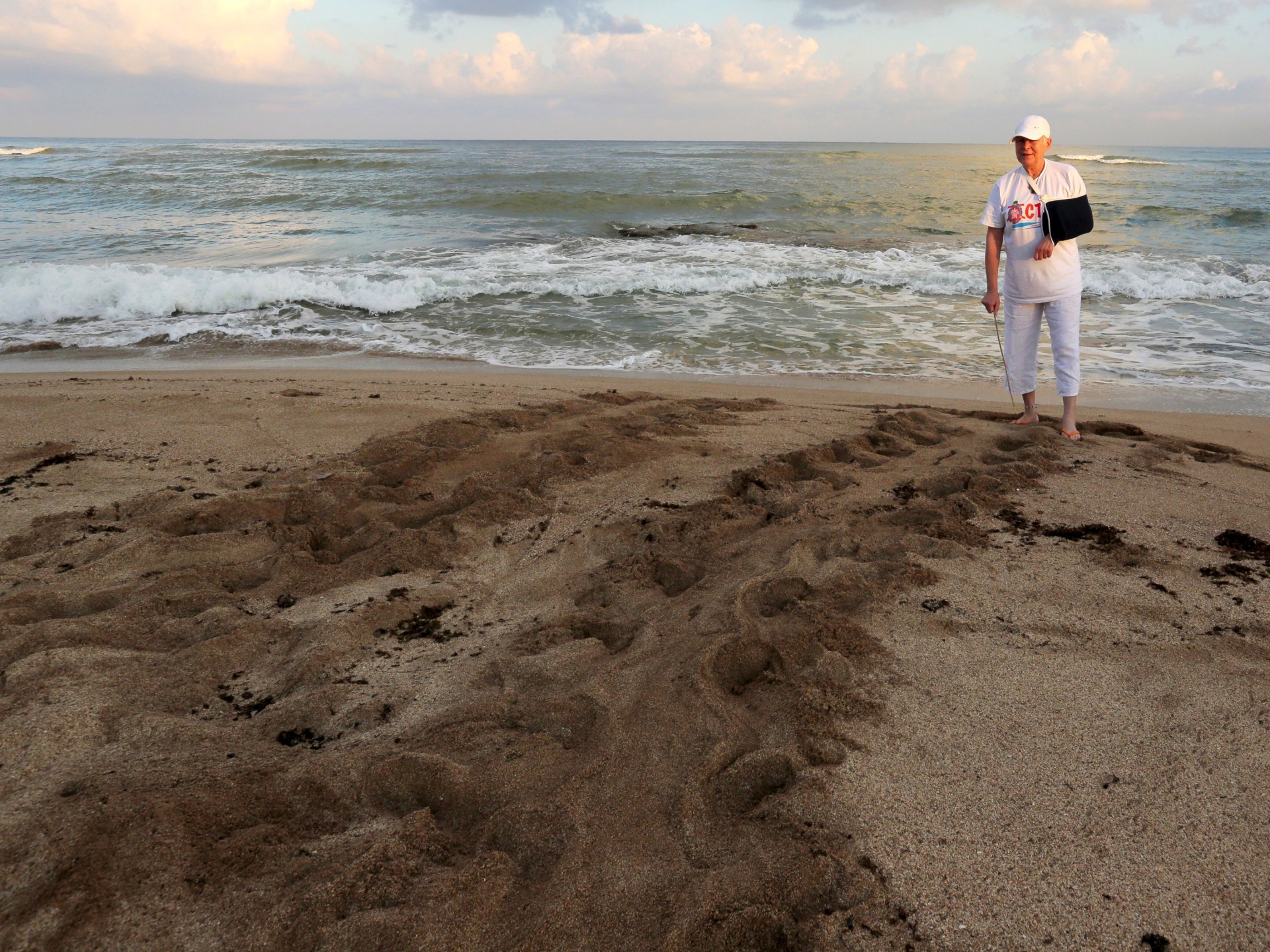
Mourners gathered in Beirut on Sunday to remember Mona Khalil, a Lebanese conservationist known for protecting sea turtles on the country’s southern coast, according to Al Jazeera and The Associated Press. Khalil, 77, died Friday from wounds she suffered in an Israeli strike on her home in al-Mansouri, in Tyre province, on June 4, the news organizations reported.
Her death drew grief from environmentalists, former volunteers and colleagues who had worked with her over more than two decades, according to Al Jazeera and AP. Many of them knew Khalil through the Orange House Project, a small conservation and ecotourism site in al-Mansouri that she helped develop.
A coastal refuge for turtles
Al Jazeera and AP reported that the Orange House Project became a base for work to protect endangered loggerhead and green sea turtles. The project also trained volunteers to record nesting activity on the nearby coast.
Khalil’s work centered on al-Mansouri beach, where she first encountered a turtle coming ashore to lay eggs in 1999, according to Al Jazeera and AP. That encounter led her into years of conservation work focused on the animals and their nesting grounds.
During nesting seasons, Khalil and volunteers walked the beach at night, tracked fresh turtle marks in the sand and moved nests at risk from people and coastal lighting, the news organizations reported. The work made the beach one of the focal points of turtle protection efforts in south Lebanon.
Life between Lebanon, Nigeria and the Netherlands
Khalil was born in Lagos, Nigeria, in 1949, according to Al Jazeera and AP. She had Lebanese and Dutch citizenship and had lived in the Netherlands before returning to Lebanon.
After settling in al-Mansouri, she lived in what had been her grandmother’s house, the news organizations reported. That building later became known as the Orange House and formed the center of her conservation project.
Journalist and environmental activist Fadia Jomaa told Al Jazeera and AP that she met Khalil in 2016 while researching sea turtles in Lebanon. Jomaa later volunteered with Khalil’s project.
Reluctance to leave the south
Jomaa said Khalil initially resisted leaving al-Mansouri during the 2024 war between Israel and Hezbollah, according to Al Jazeera and AP. The Lebanese army eventually convinced her to evacuate for her safety, Jomaa said.
“She was the last one to leave the area,” Jomaa told the news organizations. Jomaa said Khalil struggled while away in Beirut and wanted to return to the Orange House and the beach she had spent years protecting.
Jomaa also recalled Khalil saying her spirit would remain in al-Mansouri, according to Al Jazeera and AP. Khalil would point to an olive tree or a hill near the beach and say, “This is where you will bury me,” Jomaa said.
Where Khalil will be buried remains unclear because of security conditions in the area, Jomaa told Al Jazeera and AP. For the people who gathered in Beirut, her legacy was tied to the stretch of shoreline she worked to protect and the volunteers she trained there.
This story draws on original reporting from Al Jazeera.